
Tue Apr 29 15:57:46 UTC 2025: ## 1920s Madras Anti-Liquor Campaign Hampered by Government Policy
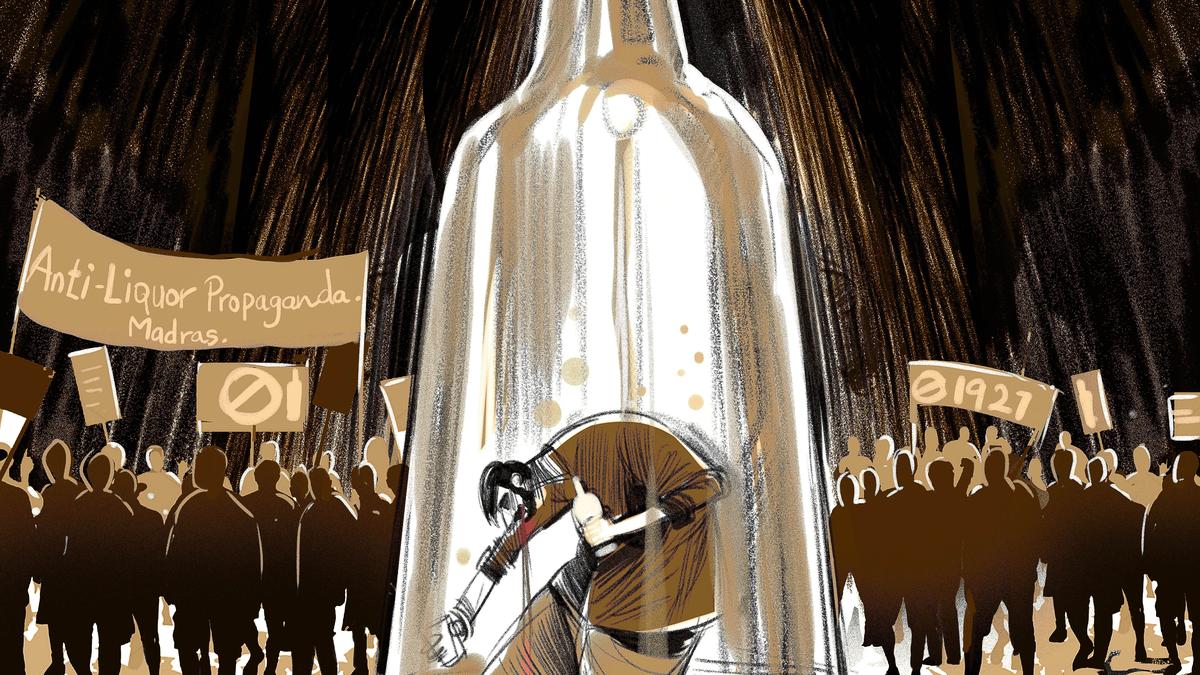
**Chennai, April 29, 2025** – Newly unearthed records reveal a fascinating chapter in India’s history of liquor prohibition. A decade before Madras implemented prohibition in 1937, a significant anti-liquor campaign was launched in 1927, only to be hampered by government policy, according to historical documents.
The Madras Legislative Council initiated the campaign with a resolution aiming for complete prohibition within 20 years. The plan involved educating the public about the dangers of alcohol consumption through district committees and public health officers. These officers, already tasked with public health initiatives like promoting baby health, were to incorporate temperance messages into their work.
However, the campaign faced unexpected resistance. J.A. Saldanha, a member of the Legislative Council and president of a Health and Welfare Association, highlighted that the then Excise Minister, Sir A.P. Patro, inexplicably forbade health officers from participating in the anti-liquor propaganda. Saldanha questioned the political motivations behind this decision, emphasizing that promoting temperance was in the best interest of public health and wealth.
Further complicating matters, C.S. Ratnasabapati Mudaliyar, another council member, suggested that the government’s reluctance stemmed from the inherent conflict between promoting prohibition while simultaneously profiting from liquor sales through government-leased shops. This, he argued, made it difficult for government officials to advocate prohibition without facing public skepticism.
Despite initial success, financial constraints led to the campaign’s demise in 1931. This historical account sheds light on the complexities and contradictions surrounding early prohibition efforts in India, revealing the interplay between public health concerns and government revenue generation.
 First Piper