
Sat Apr 26 22:23:00 UTC 2025: ## Global Health Accord Reached After Years of Negotiations
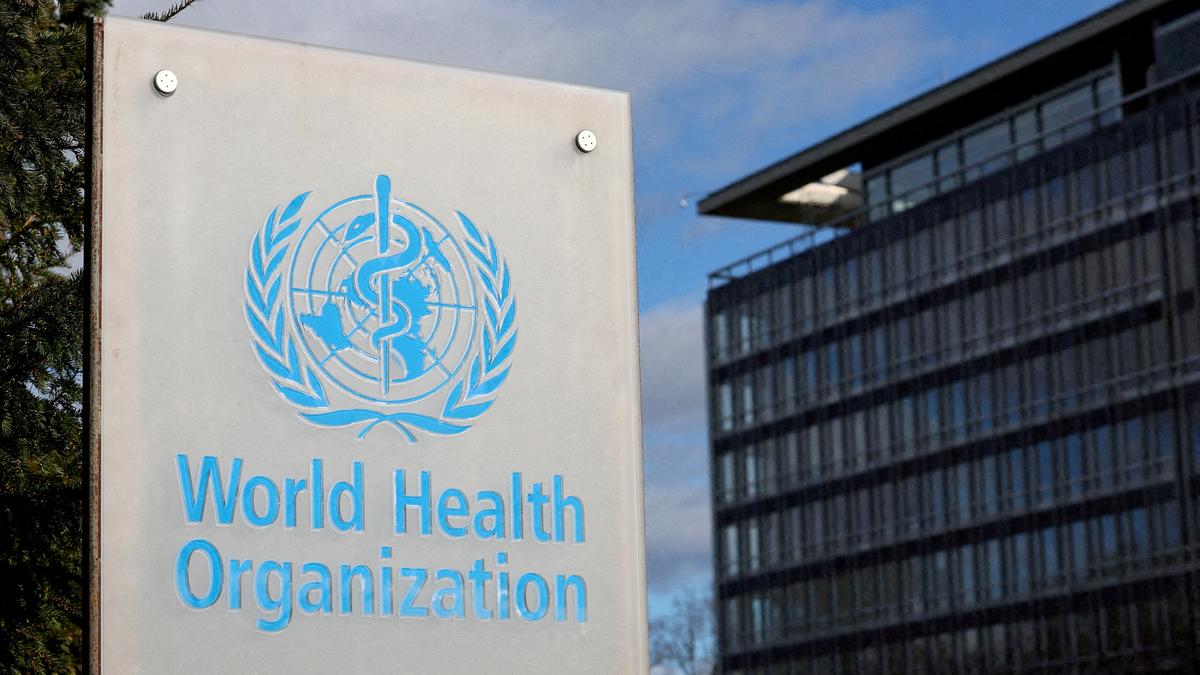
**Geneva, Switzerland** – After over three years of intense negotiations, the World Health Organization (WHO) finalized a landmark pandemic accord aimed at preventing and responding to future global health crises. The agreement, reached on April 16th, 2025, following a marathon session in Geneva, was hailed by WHO Director-General Tedros Adhanom Ghebreyesus as a “significant milestone.”
The accord’s centerpiece is the proposed Pathogen Access and Benefit-Sharing System (PABS), designed to accelerate the development of vaccines, diagnostics, and treatments during pandemics through rapid data sharing between nations and pharmaceutical companies. A key focus is ensuring equitable access to pandemic-related health products, particularly for low- and middle-income countries, addressing inequalities witnessed during the COVID-19 pandemic.
Negotiations were complex, with significant debate surrounding technology transfer. While developing countries pushed for mandatory sharing of crucial health technologies, a compromise was reached, requiring “mutually agreed” transfers to balance global equity with pharmaceutical industry concerns about intellectual property rights. The final 32-page document, marked entirely in green, signifies unanimous agreement among participating nations.
The agreement acknowledges shortcomings in the global response to COVID-19, including fragmented data sharing, unequal access to resources, and a lack of standardized protocols. It emphasizes transparency, trust, and timely action, including capacity building and international support for lower-income countries. While lauded by some as a testament to global multilateralism, others express concerns about the enforceability of the “mutually agreed” technology transfer clause.
The WHO will present the agreement for formal adoption at its annual assembly. Member states will then be tasked with integrating its principles into national laws and establishing financing and monitoring mechanisms to ensure compliance. The pharmaceutical industry, while acknowledging the agreement as a starting point, emphasizes the need for legal certainty and intellectual property protection to maintain investment in future pandemic preparedness.
 First Piper