
Thu Apr 24 18:23:00 UTC 2025: ## India Suspends Indus Waters Treaty Following Pahalgam Attack
**NEW DELHI, April 24, 2025** – India announced on Wednesday that it is suspending the 1960 Indus Waters Treaty (IWT) with Pakistan following a terrorist attack in Pahalgam. The move, described as placing the treaty “in abeyance,” signals a significant escalation in tensions between the two countries.
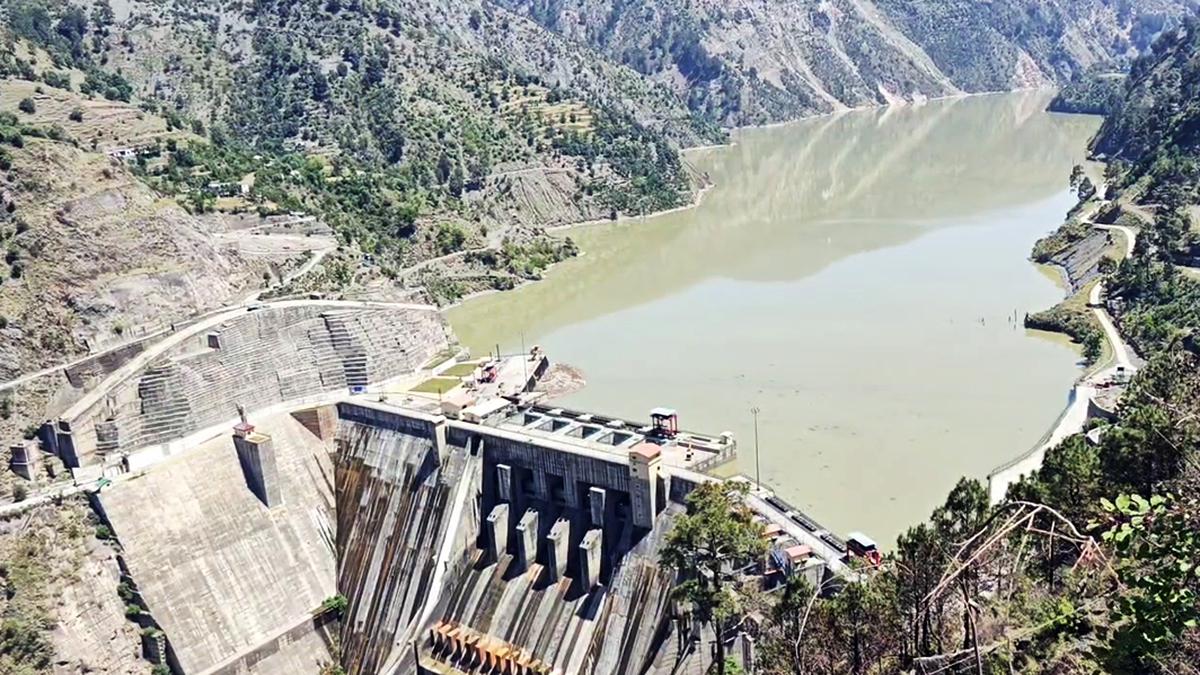
While the immediate implication is a halt to the sharing of hydrological data and updates on hydroelectric projects, a senior Indian official indicated that India will explore previously unconsidered options. These could include withdrawing from discussions on a new dispute resolution mechanism, modifying hydropower project designs to increase water storage capacity, and employing “draw down flushing” of reservoirs.
The official cited the 2016 Uri attacks and the recent Pahalgam attack as catalysts for this drastic shift, stating that India’s approach this time may differ significantly from its past responses. The official also noted that while India has always been responsible in managing the shared water resources, the continued cross-border terrorism necessitates a re-evaluation of its commitment to the IWT.
The decision follows years of disputes over hydroelectric projects, with Pakistan consistently accusing India of manipulating water flow. While a scientist from the Central Water Commission stated that weaponizing the Indus waters would require complete disregard for the IWT, India’s announcement suggests a potential recalibration of its approach.
Any significant changes to hydropower projects would require substantial long-term investment, according to officials. Jal Shakti Ministry Secretary Debarshee Mukherjee formally informed her Pakistani counterpart of the decision, citing sustained cross-border terrorism as the justification for suspending India’s obligations under the IWT. The Permanent Indus Commission, the body tasked with resolving water-sharing disputes, has not met since 2022. India’s call in 2023 to renegotiate the treaty, primarily to establish a new dispute resolution mechanism, foreshadowed this latest development.
 First Piper