
Thu Apr 17 09:42:35 UTC 2025: ## Trump Links US Troop Stationing in Asia to Tariff Negotiations, Sparking Tensions
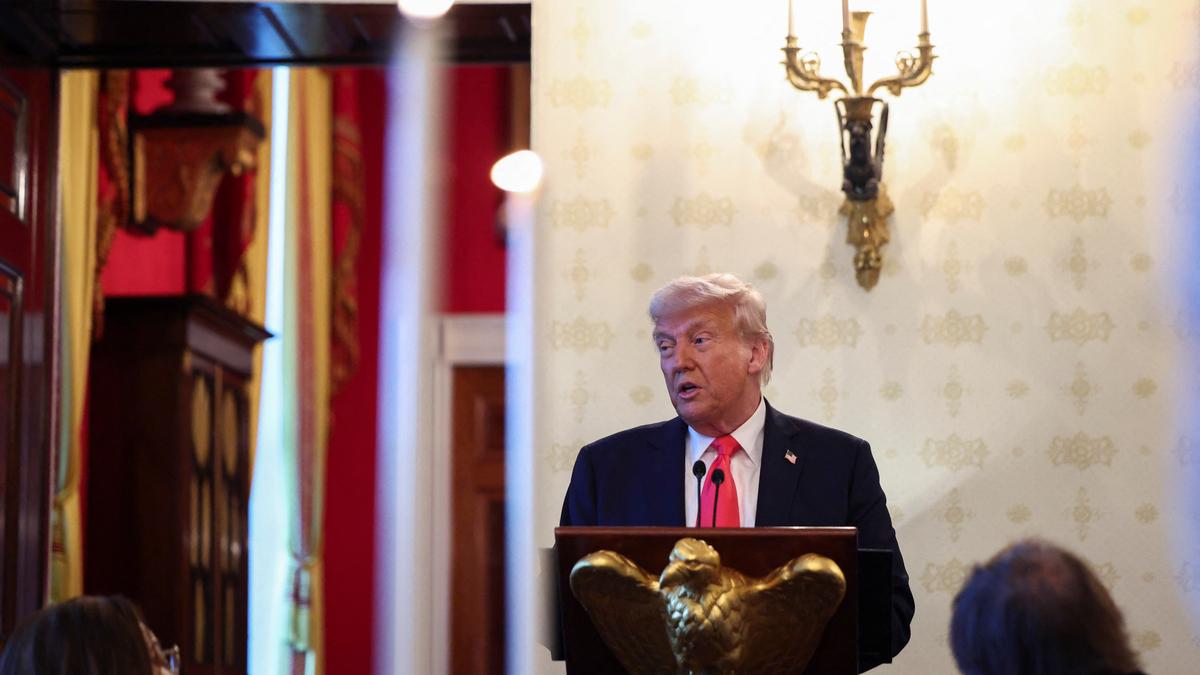
**SEOUL/TOKYO, April 17, 2025** – President Donald Trump is leveraging the presence of tens of thousands of US troops in South Korea and Japan as bargaining chips in his ongoing tariff negotiations, despite both countries’ attempts to keep security and trade discussions separate. Trump’s recent posts on Truth Social and comments during a meeting with Japanese officials indicate he intends to link defense cost-sharing to broader trade negotiations.
Approximately 28,500 US troops are stationed in South Korea, and around 50,000 in Japan. Both nations rely heavily on the US military umbrella for protection, making them strategically vital to US power projection in the region. Trump’s past threats to withdraw troops unless these countries increase their financial contributions are now resurfacing.
While South Korea’s government maintains that cost-sharing is not subject to renegotiation, the country is preparing for various scenarios as Washington hasn’t formally proposed renegotiating their Special Measures Agreement (SMA). Japan, meanwhile, insists that defense spending and tariffs remain distinct issues.
The Pentagon and State Department have deferred comment to the White House, which has not responded. Analysts like Danny Russel of the Asia Society Policy Institute, characterize Trump’s actions as a deliberate pressure tactic, highlighting Trump’s transactional view of alliances and his aim to secure significant economic benefits in exchange for US military protection.
South Korea recently signed a new five-year SMA, increasing its contribution, but this move appears to have been ineffective in preventing Trump’s renewed pressure. A South Korean official, speaking anonymously, revealed that the Biden administration pushed for early negotiations, leading to internal debate and the decision to proceed to avoid alienating Washington.
Japan, which hosts the largest overseas deployment of US troops, currently contributes approximately ¥211 billion annually (about $1.48 billion) towards their upkeep.
The current situation is further complicated by disputes over facts and the timing of previous agreements. The re-opening of defense talks and their linkage to broader economic matters raise concerns in South Korea about potential economic concessions and the continued viability of the US security commitment. This uncertainty has fueled calls within South Korea for the development of its own nuclear weapons.
 First Piper