
Fri Apr 18 11:06:37 UTC 2025: ## Indian Government Bonds: A Cornerstone of the Nation’s Economy
**NEW DELHI, April 18, 2025** – India’s government bond market, a crucial component of the nation’s financial system, plays a vital role in funding government initiatives and providing investors with a relatively safe investment option. These bonds, also known as G-secs, are IOUs issued by the central and state governments to finance infrastructure projects, address budget deficits, and support social welfare programs.
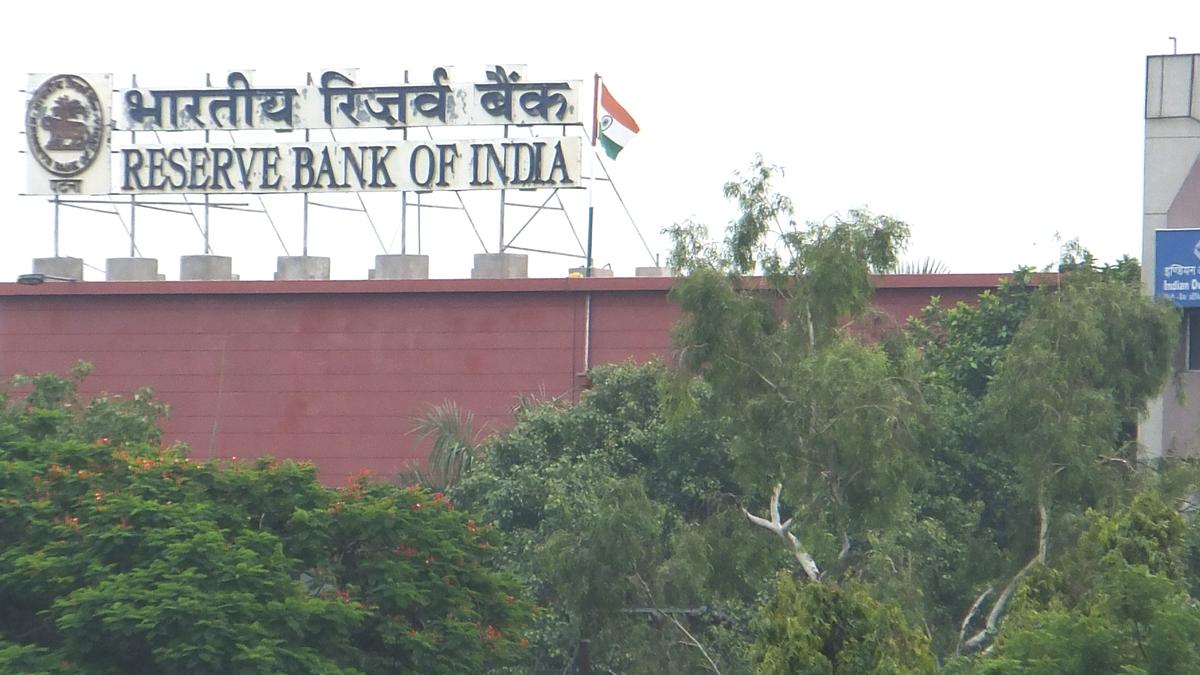
The Reserve Bank of India (RBI) acts as the regulator, facilitating the issuance of various bond types, including short-term Treasury Bills (T-Bills), long-term Dated Government Securities (G-Secs), inflation-indexed bonds (IIBs), State Development Loans (SDLs), Sovereign Gold Bonds (SGBs), zero-coupon bonds, and floating rate bonds (FRBs). These cater to diverse investor needs and risk tolerances.
The government issues bonds through RBI auctions accessible to institutional and individual investors. Secondary market pricing fluctuates based on economic factors like interest rates and inflation.
The significance of government bonds to the Indian economy is multifaceted. They help manage government deficits, provide the RBI with tools to control liquidity and inflation, offer a safe haven for investors, contribute to financial market stability, and establish benchmark rates for other financial instruments. Their low default risk, periodic interest payments, and tax benefits (in some cases) make them attractive to a broad range of investors.
While offering stability and safety, investors should remain aware of inherent market risks. As India’s bond market continues to grow and attract more participation, government bonds are poised to play an increasingly important role in shaping the country’s economic future.
 First Piper