
Wed Apr 16 01:30:00 UTC 2025: ## Israeli Budget Sparks Outrage Amidst Renewed Conflict and Public Discontent
**Tel Aviv, April 16, 2025** – Israel’s recently approved budget, described by Finance Minister Bezalel Smotrich as a “war budget,” is fueling widespread discontent among Israeli citizens, according to recent surveys. While the government frames the budget as necessary for ongoing military operations, public opinion strongly favors a negotiated peace.
Since the October 7, 2023, Hamas attack, Israel has launched over 35,000 attacks in the region, including approximately 18,000 in Palestine and 16,000 in Lebanon. This renewed conflict, following a 15-month ceasefire, has resulted in over 1,500 deaths in Gaza.
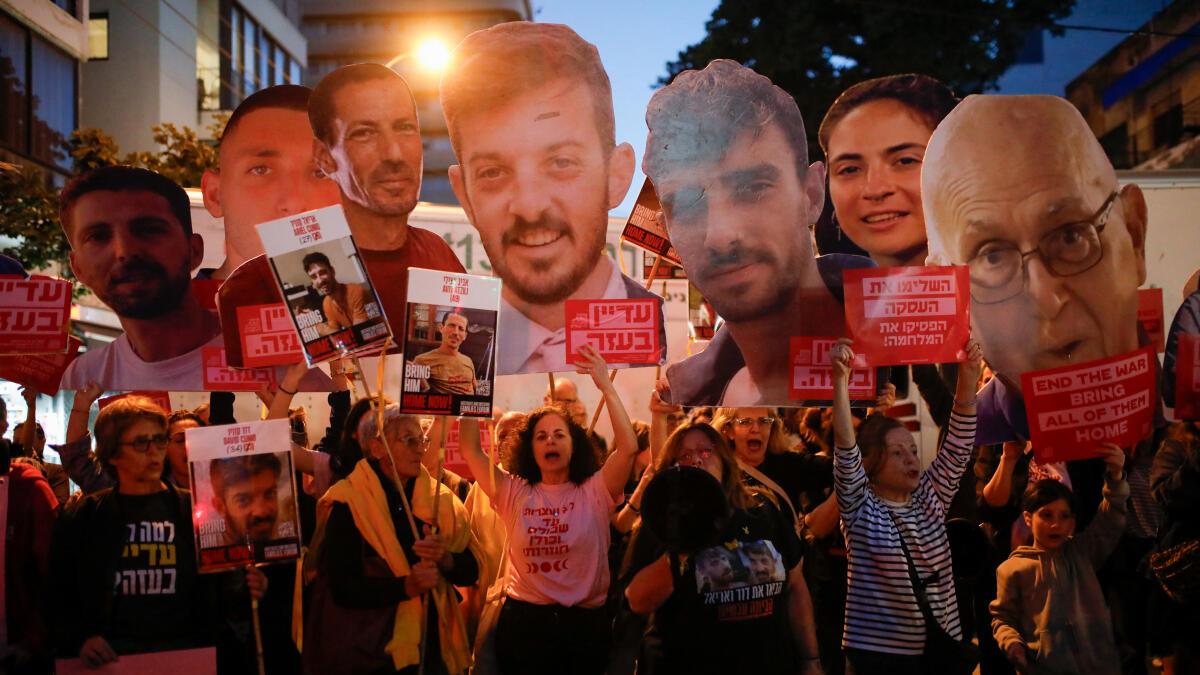
Surveys conducted by the Israel Democracy Institute reveal a significant gap between the government’s actions and public sentiment. A February poll showed that 72% of Israelis supported continued negotiations with Hamas. Furthermore, a majority (at least 50%) believed Prime Minister Benjamin Netanyahu should take responsibility for the October 7 events and resign, with 73% calling for him to accept responsibility.
Public pessimism regarding Israel’s future is also on the rise. Only 38% expressed optimism about the country’s democratic situation in March, while over 59% were pessimistic. Economic pessimism is even more pronounced, rising from 63.6% before the budget’s passage to 72.7% afterward. A significant portion (close to 65%) believe the budget serves narrow interests rather than the broader public good. The Bank of Israel’s governor also criticized the budget, citing insufficient debt reduction measures to offset war spending.
Israel’s fiscal deficit reached 8.2% in 2024, its highest since the 2020 pandemic. This year’s proposed defense budget of $29.7 billion is the highest in history, exceeding last year’s $31 billion spent on operations in Gaza and Lebanon. An OECD report highlighted the negative impact of this high military spending on other essential sectors such as health, education, and social protection, where Israel lags behind the OECD average.
International condemnation of Israel’s actions is growing, with countries like Saudi Arabia, Qatar, Iran, and Ireland voicing their concerns. Even support in the U.S. is waning, with the Pew Research Center reporting a decline in favorable views of Israel among Americans compared to 2022. The conflicting narratives of a government focused on military might and a populace yearning for peace highlight a deep crisis of confidence within Israel.
 First Piper