
Tue Apr 15 14:28:40 UTC 2025: ## Karnataka Caste Survey Results Dispute Erupts
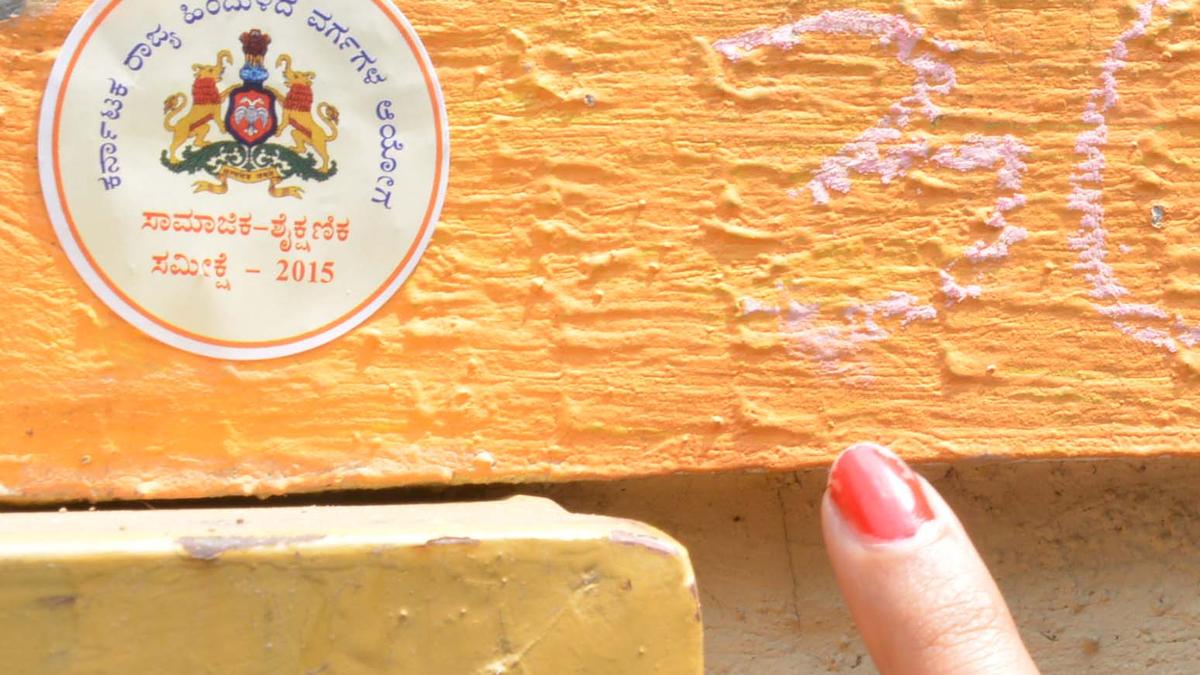
**Bengaluru, April 15, 2025** – The release of the Karnataka State Commission for Backward Classes’ Socio-Economic and Educational Survey has sparked a heated controversy, with the dominant Veerashaiva-Lingayat and Vokkaliga communities rejecting the findings as “unscientific” and demanding a fresh survey.
The survey, conducted in 2015 and submitted in 2024, pegged the Veerashaiva-Lingayat population at 66.35 lakh (11% of the state’s population), significantly lower than their claimed 17-22%. Similarly, the Vokkaliga population was recorded at 61.58 lakh (10.29%), contradicting their claim of 13-15%.
Community leaders argue that improper sub-caste classification led to underrepresentation. However, commission members vehemently defend the survey’s methodology, citing its transparency and use of government machinery involving over 1.3 lakh teachers. They also point to a certification from the Indian Institute of Management, Bengaluru, validating the survey’s methodology. The approximately 37 lakh people not included in the survey are attributed to factors like migration and logistical challenges, including access restrictions in gated communities in Bengaluru. Commission sources suggest that some individuals may have intentionally omitted their caste identification to maintain eligibility for reservations.
Law and Parliamentary Affairs Minister H.K. Patil noted that a certain degree of population undercounting is expected, citing the national census’s 3% lag as an example. Former commission member K.N. Lingappa emphasized that even accounting for the uncounted population, the discrepancies between the survey and community claims remain significant. The commission further points out that the raw data is still available for verification.
The dispute highlights the sensitive nature of caste-based data in India and the political ramifications of population figures concerning reservation policies. The debate is expected to continue as the communities press for a re-evaluation of the survey’s results.
 First Piper