
Thu Apr 10 00:00:00 UTC 2025: ## Global Wildfires Intensify, Turning Arctic Carbon Sink into Source: Study
**Bengaluru, April 10, 2025** – A surge in the intensity and frequency of wildfires globally is causing unprecedented damage and transforming the Arctic Boreal Zone (ABZ), a crucial carbon sink, into a carbon source, according to a new study published in *Nature Climate Change*.
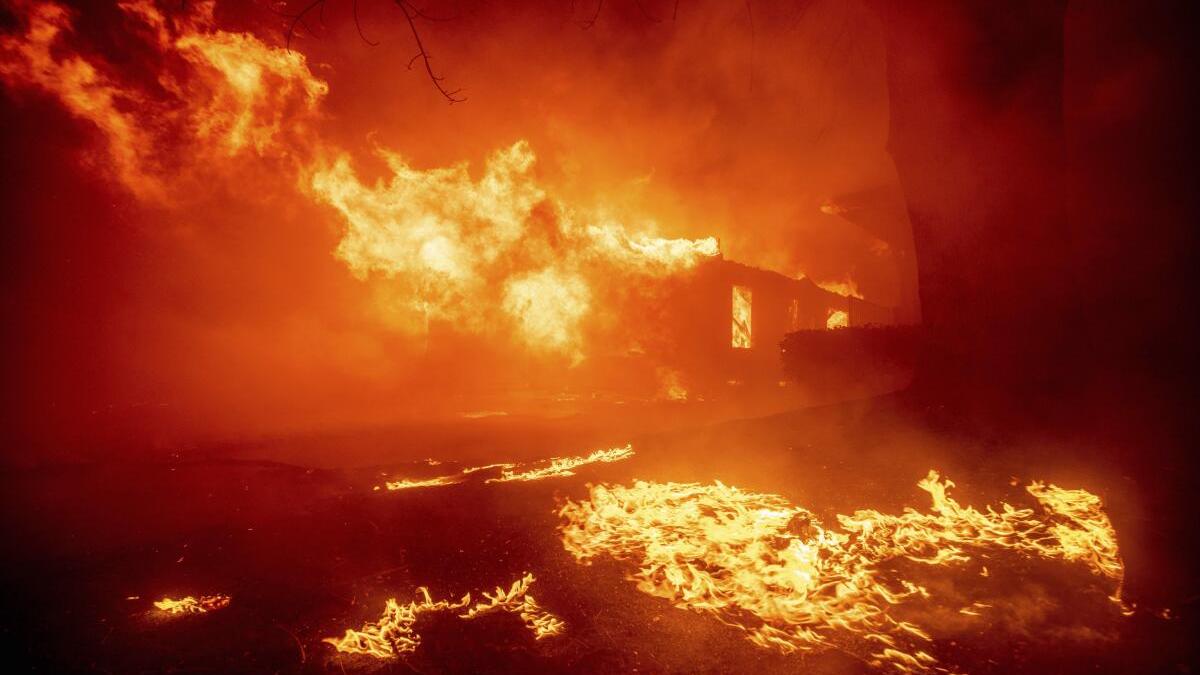
Devastating wildfires recently swept across the United States, Japan, and other regions, resulting in significant loss of life, widespread destruction of property and ecosystems, and the release of massive amounts of carbon into the atmosphere. The January 2025 US wildfires alone released nearly four times the amount of carbon compared to a decade earlier, according to the Copernicus Air Monitoring Service (CAMS). Similarly, a wildfire in Japan in February affected 2,900 hectares of land and became one of the largest in the last 50 years.
While India also experienced numerous forest fires in 2024, particularly in Uttarakhand, Odisha, and Chhattisgarh, the overall number of hotspots appears to be declining according to the latest India State of Forest Report. However, rising land temperatures and more frequent, longer heatwaves are creating conditions conducive to more wildfires.
The *Nature Climate Change* study reveals that more than 30% of the ABZ, a vast region encompassing the Arctic Circle, has ceased absorbing carbon and is now releasing it. This shift, driven by increasingly intense wildfires, has been underway since before 1990, accelerated by major fires in Russia (2003) and Canada (2012). The study analyzed data from 200 monitoring sites between 1990 and 2020, finding that carbon emissions from the ABZ during non-summer months now exceed summer absorption. Alaska, northern Europe, and Siberia are significant contributors to the new emissions.
The thawing permafrost due to global warming is a key factor, drying out the soil, changing vegetation, and releasing stored carbon. This creates a dangerous feedback loop: more wildfires release more carbon, fueling further warming and intensifying future wildfires.
The study supports findings from the 2024 Arctic Report Card, which highlights the alarming trend of Arctic changes and record-high or low values in various environmental indicators. The consequences of this shift are severe, threatening to disrupt the Earth’s climate regulation system.
 First Piper