
Sat Apr 12 09:15:41 UTC 2025: **Billionaire Space Tourist Nominated to Lead NASA**
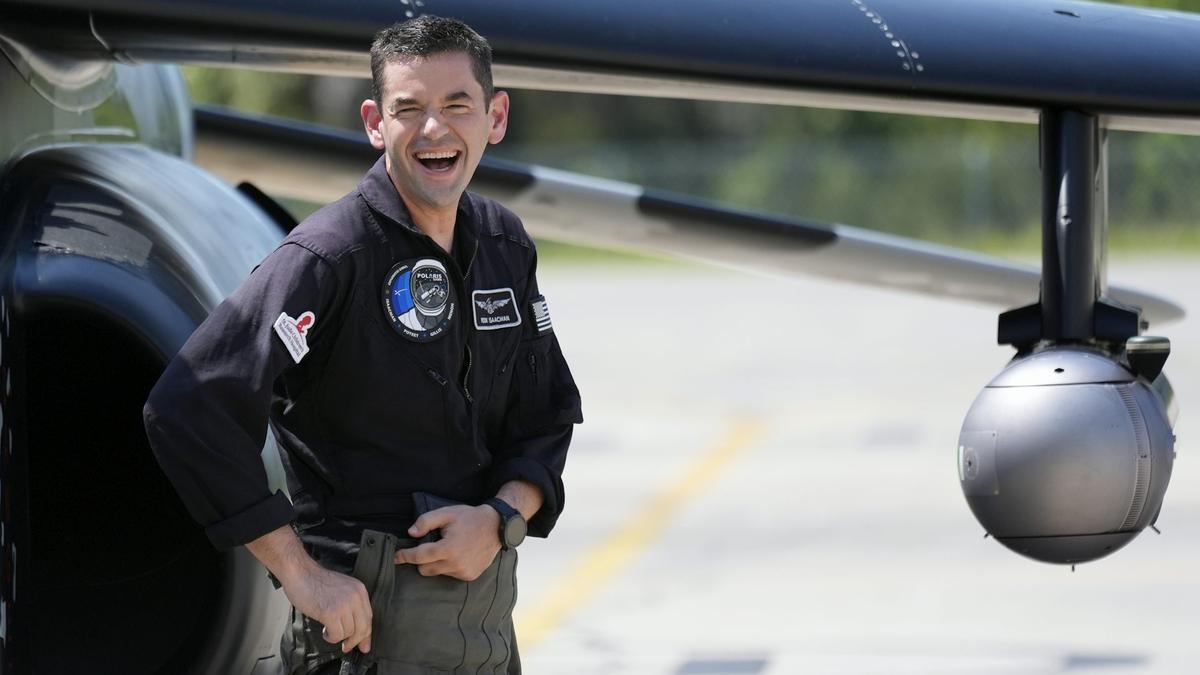
WASHINGTON, D.C. – Jared Isaacman, a billionaire entrepreneur and experienced private astronaut, is poised to become the next NASA administrator. His confirmation hearing before the Senate Committee on Commerce, Science, and Transportation concluded on April 9, 2025, leaving his appointment likely barring unforeseen circumstances.
Isaacman’s unique background—a successful businessman with a passion for aviation and two commercial spaceflights under his belt—makes him a first-of-its-kind nominee. He would be the first billionaire, and the first individual with extensive commercial space industry ties, to lead the agency. This raises concerns among some regarding potential conflicts of interest, particularly given his past work with SpaceX and CEO Elon Musk’s ties to the Trump administration.
Isaacman’s career trajectory is remarkable. He dropped out of high school to found a successful payment processing company, Shift4, and later established Draken International, amassing the world’s largest private fleet of fighter jets. He financed and commanded the Inspiration4 mission, SpaceX’s first all-civilian orbital flight, and subsequently participated in the Polaris Dawn mission, achieving the furthest human distance from Earth since the Apollo era and completing the first private spacewalk.
However, his nomination is not without controversy. Critics cite his close relationship with SpaceX and concerns that his appointment could unduly benefit the commercial space sector at the expense of NASA’s own programs. Potential budget cuts and the ongoing debate surrounding the Artemis program, including proposals to scrap it entirely in favor of a Mars mission, further complicate the situation.
During his hearing, Isaacman pledged to continue the Artemis program and the Space Launch System, while also pursuing a parallel path to Mars. He also committed to expanding NASA’s science missions, despite anticipated budget reductions. While he has received support from numerous astronauts, former NASA administrators, and industry groups, the ultimate decision rests with the Senate. A final vote is expected after a two-week break at the end of April.
Isaacman’s leadership will face significant challenges, including navigating budget constraints, managing the relationship between NASA and commercial space companies, and ultimately determining the future direction of American space exploration in a politically volatile climate.
 First Piper