
Fri Apr 11 00:00:00 UTC 2025: **Senate Hearing Weighs End to Daylight Saving Time Amid Health and Economic Concerns**
Washington D.C. – A Senate Commerce Committee hearing on National Napping Day examined the potential ramifications of ending Daylight Saving Time (DST), sparking bipartisan debate over its economic and health impacts.
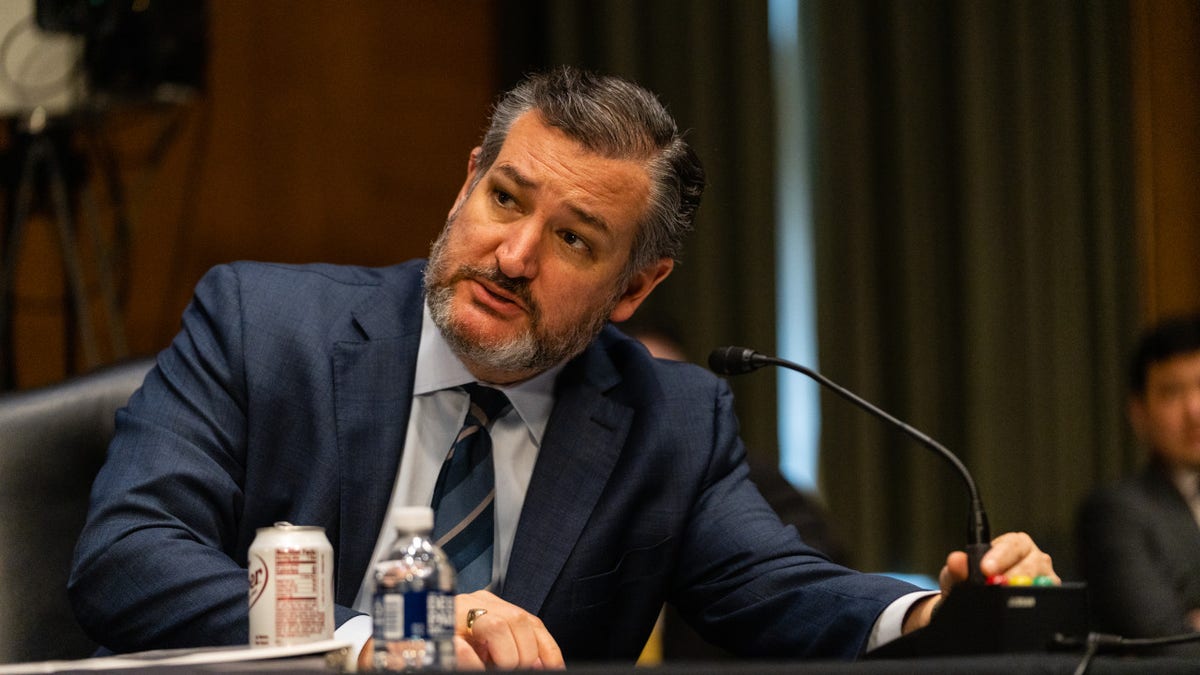
Chairman Ted Cruz (R-TX) argued that while DST was initially intended to conserve energy, its current benefits are minimal, while negative consequences – including increased car accidents, workplace disruptions, and agricultural challenges – are significant. He highlighted research indicating DST’s detrimental effects on circadian rhythms, cardiovascular health, and sleep deprivation.
Senator Lisa Blunt-Rochester (D-DE) echoed concerns, stating it’s time for a permanent time solution for the nation, acknowledging that a one-size-fits-all approach might not work for every state. She referenced a stalled bill aiming to abolish DST and emphasized the need for a comprehensive solution.
The hearing also featured testimony from a representative of the National Golf Course Owners Association, who noted increased revenue from extended daylight hours for evening tee times and tourism. Senator Edward Markey (D-MA) recounted his long involvement in addressing DST issues, including adjusting the time to accommodate trick-or-treating.
Witnesses pointed out the disproportionate negative impact of permanent DST on southern states like Florida and Texas. Scott Yates, founder of the Lock the Clock movement, discussed the failed experiment with permanent DST during the 1970s energy crisis under the Nixon administration, highlighting its unpopularity and subsequent repeal. Senator Cruz jokingly speculated that extended daylight might have even prevented the Watergate break-in.
The hearing concluded with a general consensus that the current system needs reform, with lawmakers from both parties emphasizing the need to address the negative health and economic effects of biannual time changes. The debate highlights the growing call for a permanent standard time across the United States.
 First Piper