
Fri Apr 11 03:30:00 UTC 2025: ## Mysuru’s Leopard Problem: A Balancing Act Between Urban Sprawl and Wildlife Conservation
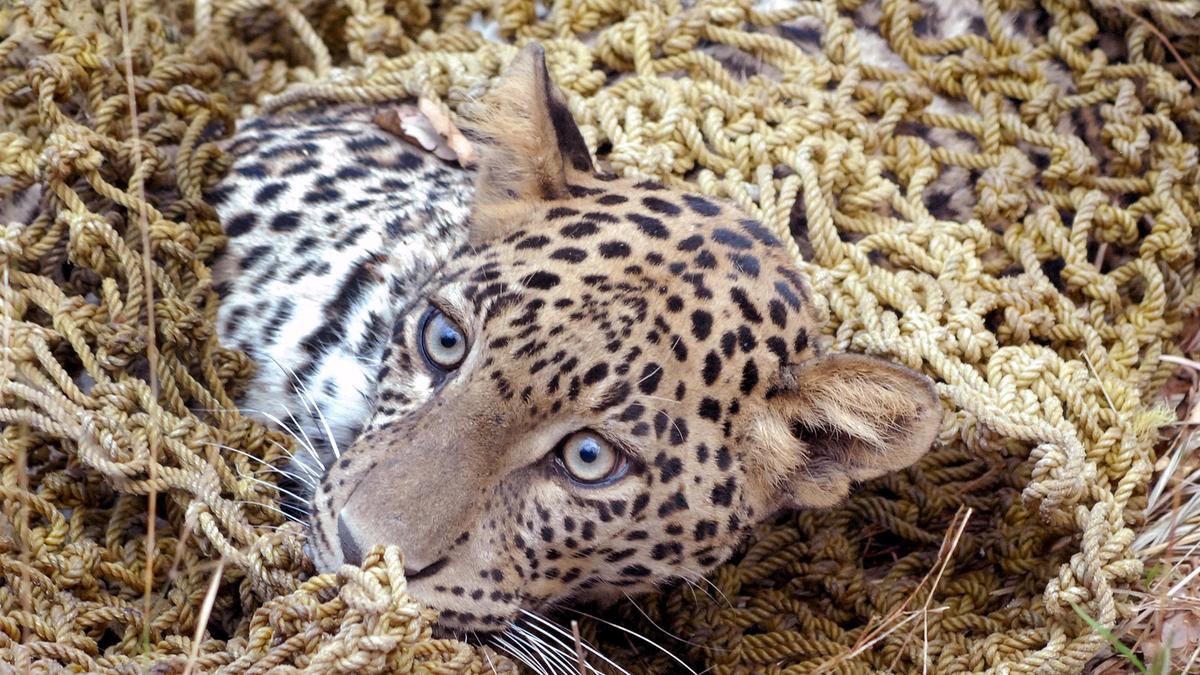
**Mysuru, Karnataka, April 11, 2025** – The rapid urbanization of Mysuru, a city renowned for its tourism and proximity to wildlife sanctuaries, has led to a significant increase in human-leopard encounters. Over the past two years, the city and surrounding Mandya district have seen nearly 150 leopards trapped and relocated, highlighting the growing conflict between urban development and wildlife conservation.
The issue isn’t a sudden influx of leopards; they have long inhabited the region. However, the city’s expanding footprint is encroaching upon their natural habitat, forcing increased interaction with human populations. Recent high-profile incidents, including a leopard’s month-long stay on the Infosys campus and another’s incursion into the Reserve Bank of India’s currency printing unit, have brought the issue to the forefront. Similar incidents have been reported at industrial sites and tourist locations like Brindavan Gardens.
While the increased use of CCTV cameras and social media has amplified the reporting of these encounters, experts emphasize that leopards, unlike tigers, are highly adaptable and can thrive in diverse environments. Mysuru’s landscape, a mix of urban areas, agricultural fields, and forest reserves, provides ideal conditions for leopard survival. The continuity of scrub jungle and agricultural lands creates crucial wildlife corridors, facilitating leopard movement. Chamundi Hills, a reserve forest within the city, serves as a vital green space.
The Leopard Task Force (LTF), established in January 2023 following several fatal leopard attacks, has responded to nearly 2,500 leopard sighting reports. The majority of these sightings, however, didn’t involve conflict. The LTF’s efforts have primarily focused on capturing and relocating leopards, with 122 of the 150 captured in Mysuru district alone.
Dr. I.B. Prabhugoud, head of the LTF, points to the abundance of prey animals, particularly livestock, as a key factor driving leopard presence near human settlements. Street dogs and discarded poultry waste also contribute to the problem. The LTF is educating the public on leopard behavior and conflict mitigation strategies, advising residents to avoid solitary walks during dawn and dusk, keep livestock secure, and avoid dumping waste that attracts prey animals.
While the “capture and relocate” approach is currently in place, a proposed ₹73 crore facility to house captured leopards in a 92-acre enclosure near Yelwal is generating debate. Experts argue that habitat conservation and wildlife corridor protection, coupled with proactive conflict mitigation strategies like animal birth control for stray dogs and improved waste management, offer a more sustainable and humane solution, promoting true coexistence between humans and leopards in Mysuru.
 First Piper