
Thu Apr 10 03:30:00 UTC 2025: ## Bengaluru’s Mounting Garbage Crisis: A Composting Solution Ignored?
**Bengaluru, April 10, 2025** – Bengaluru is grappling with a growing garbage problem, with mountains of waste piling up despite a new 36% garbage tax increase. While the Bruhat Bengaluru Mahanagara Palike (BBMP) claims to be addressing the issue, experts argue that a simple, yet largely untapped solution – localized wet waste composting – could significantly alleviate the crisis.
The city generates an estimated 6,000 metric tonnes of solid waste daily, with nearly half being wet waste. The lack of a comprehensive composting system means much of this ends up in landfills. The BBMP’s new garbage tax is projected to generate ₹750 crore annually, but experts question why this money isn’t being used to provide compost bins for all three million households and establish ward-level composting centers.
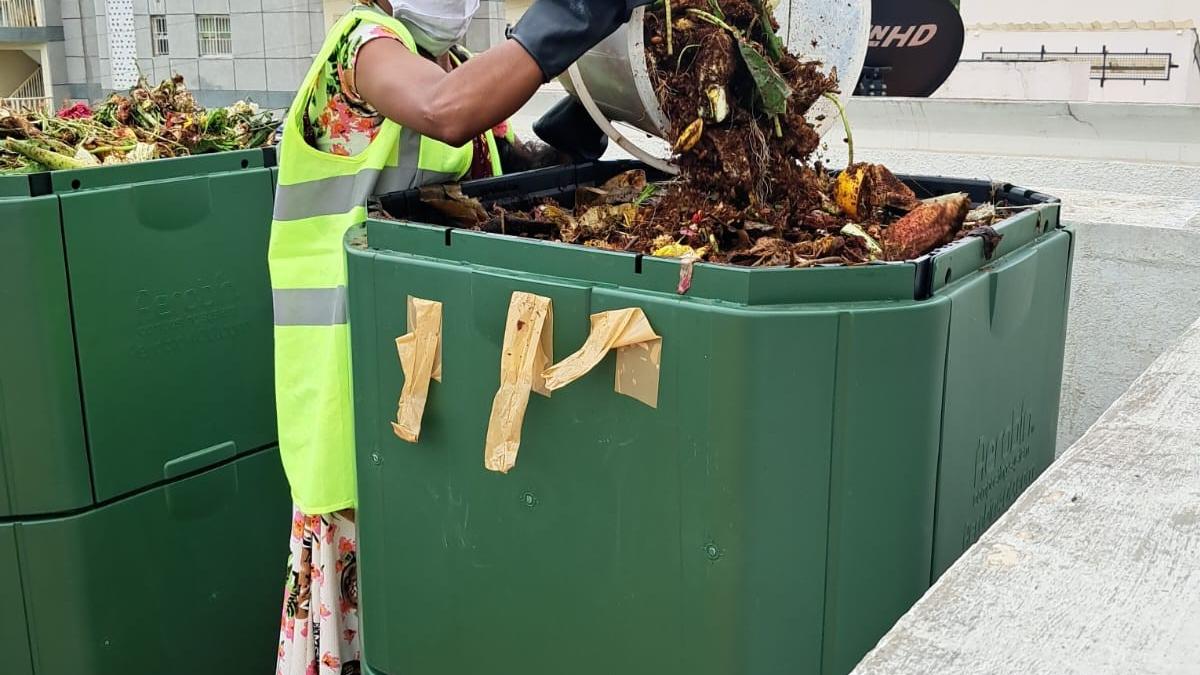
Successful composting initiatives in several apartment complexes and a public-private partnership between the Bengaluru Metro Rail Corporation Limited (BMRCL), Pelican Kenterra, and Wipro Foundation, demonstrate the feasibility of such a solution. The BMRCL project utilizes a soil-less composting method to create gardens in Metro medians, showcasing a scalable model. This technology, which won the Swachh Technology Challenge, uses microbial inoculums to convert biodegradable waste into a soil-less planting medium.
However, despite these successful examples, decentralized composting remains minimal outside of pilot projects like the one in HSR Layout. Dr. Shanthi Tummala of the HSR Citizen’s Forum and Solid Waste Management Round Table (SWMRT) highlights the need for the government to scale up these initiatives and ensure transparency in the utilization of the new garbage tax revenue. Citizens demand accountability and a clear plan for incentivizing composting, as well as a monitoring system to track waste segregation and collection. The SWMRT also advocates for establishing at least one bio-methanisation plant per constituency.
Environment activist Odette Katrak, whose apartment complex successfully composts all wet waste, points to another critical issue: food waste dumped in plastic bags on roadsides, a major contributor to methane emissions and climate change. She also highlights the problem of leaf burning, suggesting that the BBMP’s initiative to set up 100 leaf compost units in city parks is a positive step.
The article concludes with a call for the BBMP to actively involve citizens and scale up existing successful composting models to effectively tackle Bengaluru’s growing waste management challenge.
 First Piper