
Thu Apr 10 13:10:00 UTC 2025: ## Trump’s Economic Adviser Issues Outlandish “Burden-Sharing” Demands Amidst Tariff Chaos
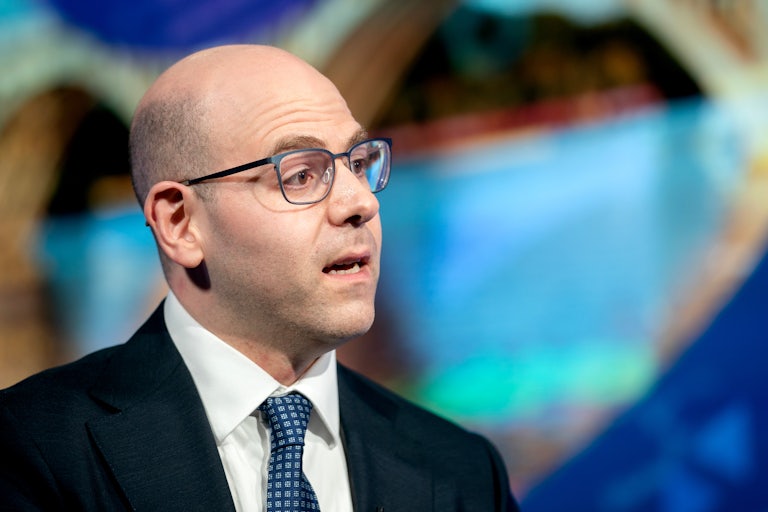
**Washington D.C.** – Amidst escalating trade tensions and a chaotic tariff policy, the Trump administration has issued a series of unprecedented demands to other countries. Stephen Miran, chair of the Council of Economic Advisers (CEA), presented a list of “burden-sharing” measures he claims are necessary to offset the supposed economic damage inflicted on the U.S. by “unfair trade barriers” and trade deficits.
Miran’s proposals, delivered in a speech at the Hudson Institute, range from the improbable to the absurd. He suggested that countries should:
* **Accept tariffs without retaliation:** Miran argued that retaliation would only worsen the situation.
* **Boost purchases of American products:** This includes increasing defense spending and procurement from the U.S.
* **Invest in U.S. manufacturing:** He promised that companies establishing factories in the U.S. would avoid tariffs.
* **Directly pay the U.S. Treasury:** Miran explicitly suggested that countries “simply write checks.”
Miran justified these demands by citing the global public goods provided by the U.S., including global security and the role of the dollar in the international financial system. He argued that other nations should “pay their fair share” for these benefits. This claim, however, ignores the fundamental economic definition of public goods, which are non-excludable and non-rivalrous.
The CEA chair specifically targeted China as the primary culprit for weakening U.S. manufacturing, even blaming it for the 2008 financial crisis. President Trump has threatened further tariffs on Chinese imports, potentially raising the total tariff rate to a staggering 104 percent. Miran, however, claimed the U.S. could easily substitute trade partners, despite recent tariffs imposed on nearly every country.
The administration’s messaging on tariffs remains deeply inconsistent. While Trump has discussed negotiations, other officials insist the tariffs are permanent. Trump himself offered the baffling explanation that “both can be true,” adding, “We need open borders,” a statement that contradicts his previous hardline immigration stances.
Adding to the confusion, Treasury Secretary Scott Bessent suggested that recently laid-off federal workers could fill hypothetical new manufacturing jobs, a proposal directly contradicting Commerce Secretary Howard Lutnick’s earlier statement that automation would be the solution.
The economic fallout from Trump’s tariff policies is already significant. The Dow Jones Industrial Average experienced substantial losses following China’s retaliatory tariffs. Experts predict a recession is likely. Furthermore, top economic advisor Peter Navarro rejected Vietnam’s offer to eliminate all tariffs on American goods, citing concerns about “non-tariff cheating.” This decision again highlights the disjointed and contradictory nature of the Trump administration’s economic strategy.
These conflicting messages and unrealistic demands are raising serious concerns about the potential for long-term economic damage and further international instability. The administration’s actions are prompting widespread criticism and uncertainty in both domestic and global markets.
 First Piper