
Tue Apr 08 12:06:25 UTC 2025: ## China’s Brahmaputra Dam Plan Sparks Concerns in India
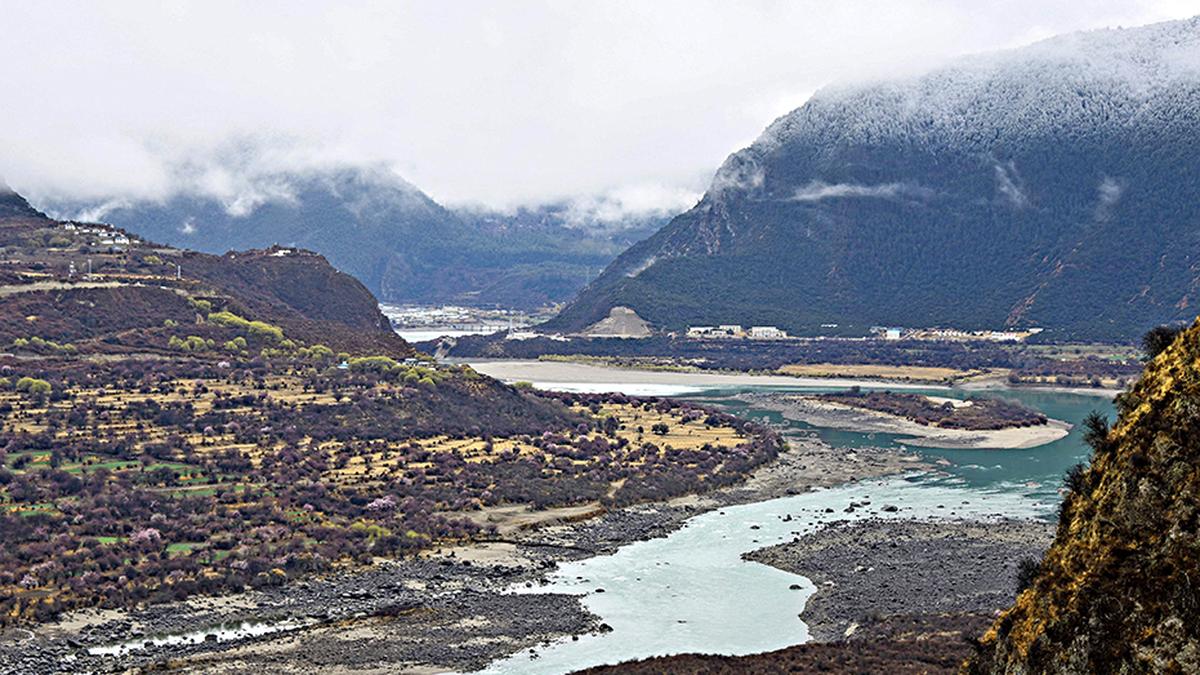
**Guwahati, India – April 8, 2025** – Concerns are mounting in India over China’s proposed 60,000 megawatt hydropower project on the Yarlung Tsangpo River, the upper reaches of the Brahmaputra. Arunachal Pradesh MP Tapir Gao described the project not as a dam, but a potential “water bomb” that could be used against India and other downstream countries.
Gao referenced the devastating 2000 floods on the Siang River, which he attributes to a similar Chinese water release, as a warning of potential future consequences. He urged India to construct a dam on the Siang River to mitigate the risk of sudden water releases from the proposed Chinese dam at the Great Bend.
The seminar, organized by Asian Confluence, brought together experts from India, Nepal, and Bhutan to discuss the potential ecological and geopolitical ramifications of the project. Participants highlighted China’s extensive dam building activities on other Asian rivers, such as the Mekong, and emphasized the lack of a water-sharing agreement with China as a significant risk factor.
Tibetan expert Claude Arpi revealed China’s ambitions extend beyond hydropower generation, including potential plans to divert Yarlung Tsangpo water to the Yellow River. Asian politics expert Bertil Lintner underscored China’s historical interest in controlling the rivers originating in the Tibetan Plateau.
The Brahmaputra Board Chairman, Ranbir Singh, raised concerns about the potential shift from a water-surplus to a water-deficient Brahmaputra basin due to the Chinese dam. He advocated for a multi-pronged approach, including international collaboration to oppose the project and increased scientific research to bolster India’s position.
The seminar concluded with a call for India to conduct more scientific studies to build a stronger case for international opposition to China’s proposed dam on the Yarlung Tsangpo River. The lack of a water-sharing agreement between India and China remains a major point of contention, with experts warning of potential future bilateral conflicts.
 First Piper