
Sun Apr 06 06:24:25 UTC 2025: ## Iran Rejects Direct Talks with US, Maintaining Readiness for Diplomacy and Defense
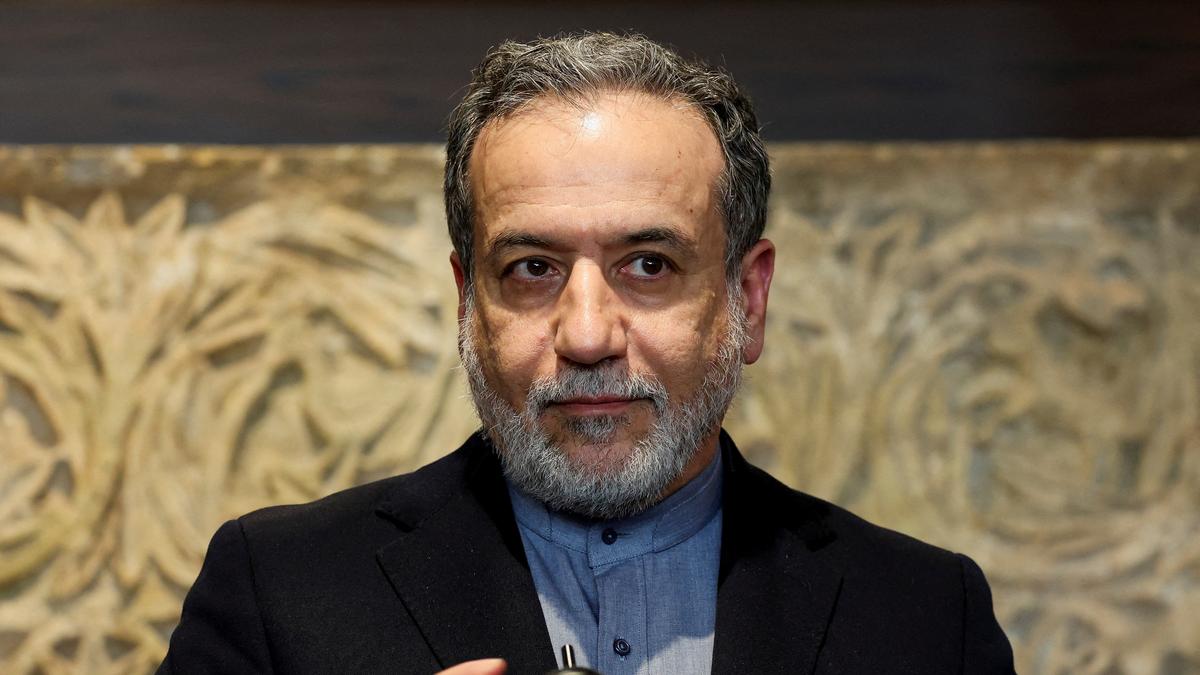
**Tehran, April 6, 2025** – Iran has rejected a proposal for direct negotiations with the United States on its nuclear program, calling such talks meaningless given the US’s history of threats and contradictory statements. Iranian Foreign Minister Abbas Araghchi stated on Sunday that while Iran remains committed to diplomacy and is open to indirect negotiations, direct talks are untenable due to the constant threat of force from the US. This follows US President Donald Trump’s recent call for direct talks, stating that such a format would lead to faster results and better understanding.
Araghchi emphasized Iran’s preparedness for all scenarios, asserting that the country will be both resolute in diplomacy and decisive in defending its national interests and sovereignty. This stance comes despite Iranian President Masoud Pezeshkian’s statement on Saturday expressing willingness to engage in dialogue with the US on an equal footing. Pezeshkian questioned the sincerity of Washington’s call for negotiations, given the concurrent threats.
The rejection of direct talks coincides with a statement from Hossein Salami, head of the Islamic Revolutionary Guard Corps, who declared Iran’s readiness for war, although stressing that Iran would not initiate hostilities.
The situation is fraught with tension, given the history of the 2015 Joint Comprehensive Plan of Action (JCPOA), where Iran curbed its nuclear program in exchange for sanctions relief. The US withdrawal from the JCPOA under President Trump’s administration in 2018 and the subsequent reinstatement of sanctions led to Iran scaling back its commitments under the agreement. Adding to the complexity, a close advisor to Iran’s supreme leader warned that Iran, while not seeking nuclear weapons, would be compelled to develop them if attacked. The ongoing situation underscores the deep-seated mistrust and significant challenges facing any potential resolution of the nuclear issue.
 First Piper