
Sat Apr 05 16:37:37 UTC 2025: ## India’s Aurangzeb Debate: A Nation’s Tug-of-War with its Past
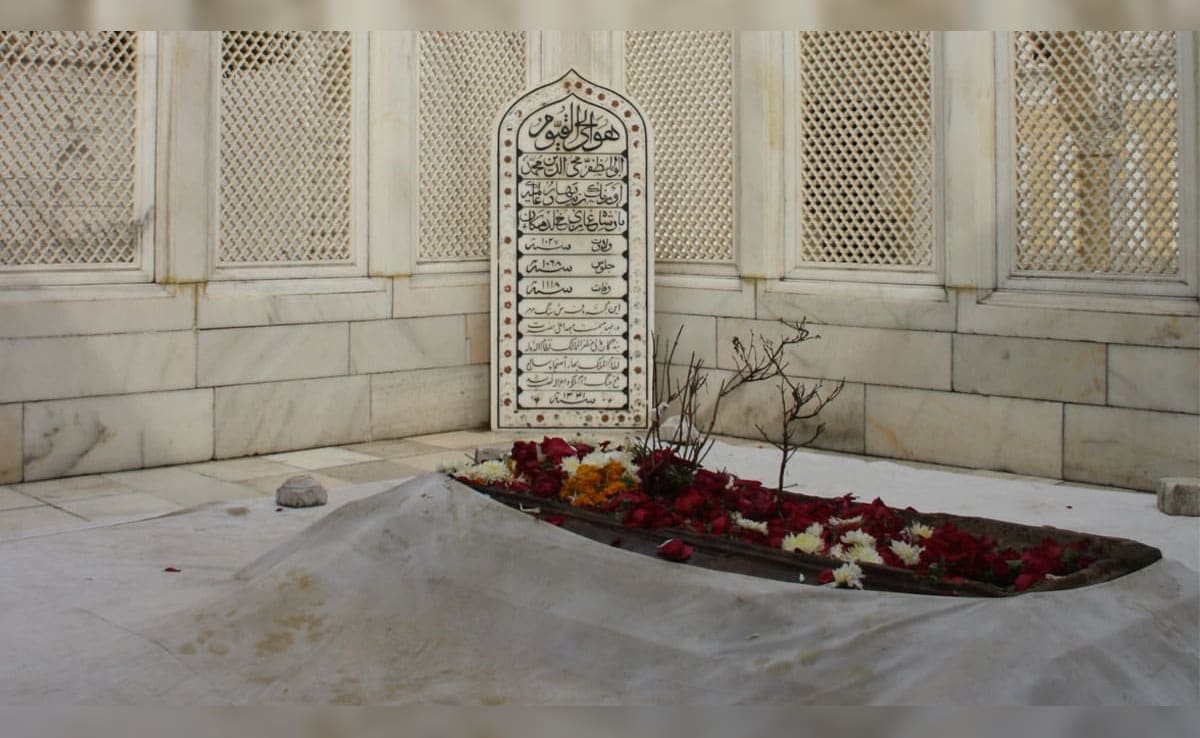
**Nagpur, India** – Recent unrest in Nagpur over the Mughal Emperor Aurangzeb highlights India’s ongoing struggle to reconcile its aspirations as a global power with a deeply contested historical narrative. The effigy burning and calls for the destruction of Aurangzeb’s grave, fueled by Hindu nationalist protesters allied with the ruling BJP, have sparked outrage among Muslims and secular Hindus.
Aurangzeb’s legacy remains fiercely debated. Hindu nationalists view him as a symbol of tyranny, citing his destruction of temples and suppression of Hindu traditions. Conversely, some Muslims remember him for his piety and expansion of the Mughal Empire. Historians argue for a more nuanced understanding, acknowledging the complexities of his reign within its historical context.
The controversy is not isolated. The renaming of Aurangabad to Chhatrapati Sambhajinagar and the replacement of Aurangzeb Road in Delhi are part of a broader campaign to rewrite history, diminishing the influence of Islamic rule in India’s narrative. This, critics argue, marginalizes the Muslim population and fuels communal tensions.
While historical revisionism is a global phenomenon, India’s case is particularly poignant. The constant politicisation of history – with one faction dismantling symbols of the past while another rises to defend them – creates a dangerous cycle of unrest. This constant pendulum swing between opposing viewpoints prevents reconciliation and threatens India’s future.
The author, Shashi Tharoor, MP and former diplomat, calls for a mature approach to history, one that contextualizes the past without erasing or glorifying it. He warns that the alternative – continued use of history as a weapon – risks escalating violence and further entrenching communal divisions. India, he concludes, needs empathy, introspection, and a willingness to transcend ideological boundaries to build a more peaceful future.
 First Piper