
Mon Mar 31 08:49:50 UTC 2025: ## Global Plastic Plague Threatens Food Security, Study Shows
**Kampala, Uganda/Washington D.C. – March 31, 2025** – A new report highlights the escalating crisis of plastic pollution in agriculture, threatening food security and human health worldwide. The problem, particularly acute in developing nations like Uganda, involves the pervasive use of plastic bags in farming, leading to soil contamination with microplastics.
In Uganda’s Mbale district, known for arabica coffee, plastic bags (“buveera”) are increasingly polluting farmland, mirroring a larger global issue. Farmers express concerns about the impact on their land, while researchers document microplastics’ presence in soils – even exceeding ocean contamination levels, according to a 2021 UN FAO report.
The problem extends beyond agricultural plastics (3% of global plastic use). Packaging accounts for 40%, with single-use plastics contributing significantly. Microplastics, defined as particles under 5 millimeters, enter the food chain, affecting plant photosynthesis and potentially causing health problems in humans, including heart disease and cancer.
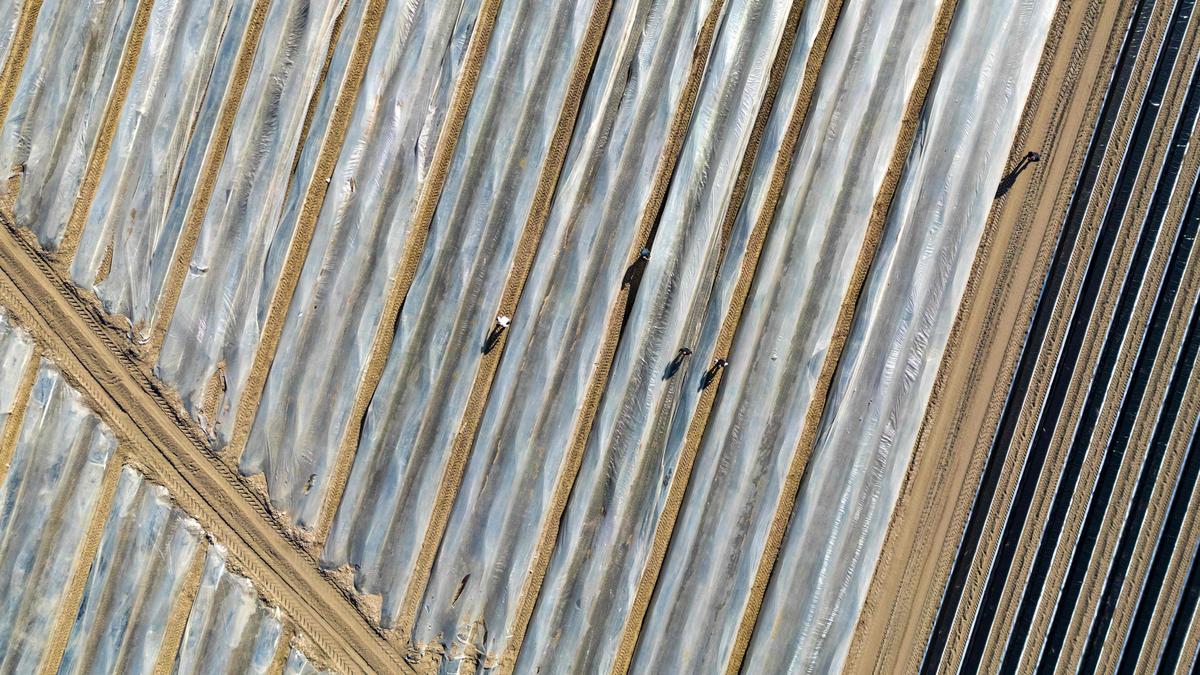
While the agricultural industry is facing pressure, the reliance on plastic for crop protection against extreme weather and pest control is growing, exacerbated by climate change. This trend is further fueled by increased demand for agricultural chemicals to compensate for diminishing arable land.
International efforts to address the crisis remain hampered. While a global treaty on plastic pollution was discussed in South Korea, no agreement was reached. The FAO’s voluntary code of conduct lacks the enforcement power needed for widespread impact. Companies, too, face challenges in preventing plastic waste from ending up in fields and waterways.
Innovative solutions are being explored, including the use of biochar to filter microplastics from waterways. However, affordable and effective solutions are critical, especially for small farmers in developing countries who bear the brunt of this environmental crisis, often lacking the resources to adopt sustainable alternatives. The article concludes with a sense of urgency, highlighting the need for global cooperation and stronger political will to tackle this growing threat to food security and human health.
 First Piper