
Tue Apr 01 03:30:00 UTC 2025: ## Bengaluru-Based Researchers Publish Graphic Novel Highlighting Plight of Vrishabhavathi River
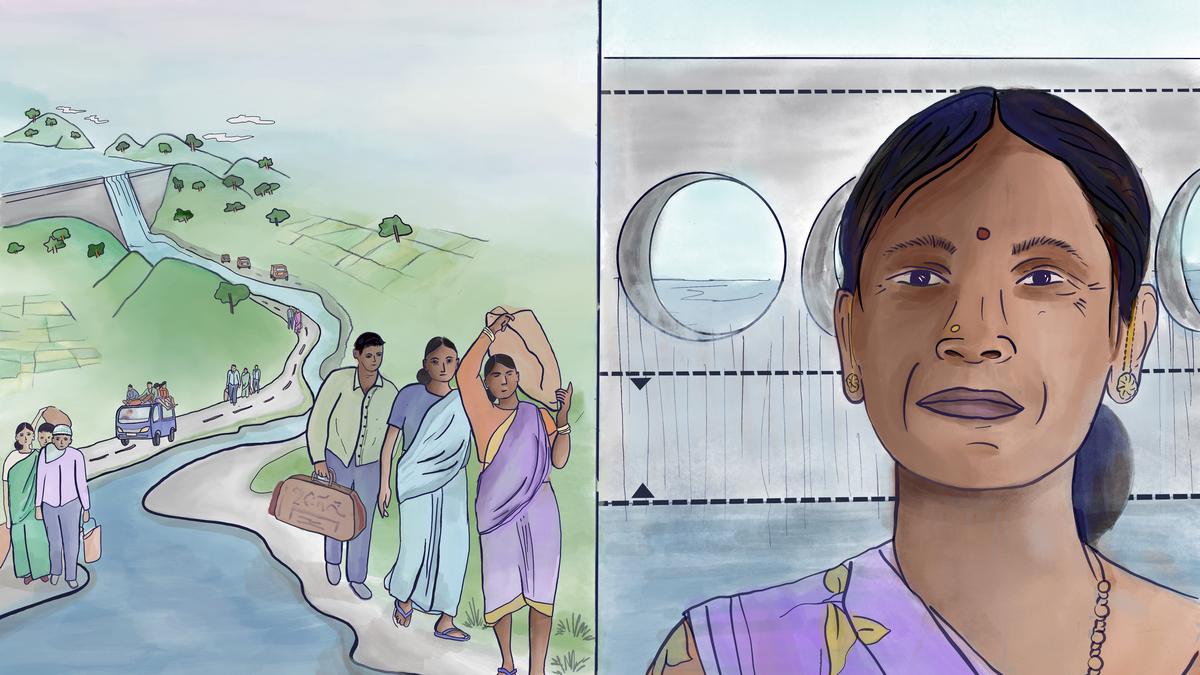
**Bengaluru, April 1, 2025** – A new graphic novel, “Whose River is it Anyway?”, sheds light on the deteriorating condition of the Vrishabhavathi river, a tributary of the Arkavathi, in Bengaluru. Created by Kadambari Komandur, Namrata Narendra, and Megha Kashyap, the book uses illustrations and storytelling to document the river’s history, its current polluted state, and the impact on the communities and ecosystem that depend on it.
Initially conceived as a digital repository connecting stakeholders, the project evolved into a graphic narrative after the authors realized the need for accessible information about the Vrishabhavathi. They collaborated with experts from organizations like Biome Environmental Trust and Paani Earth, incorporating both scientific data and personal accounts from those whose lives are intertwined with the river.
The book explores the river’s cultural significance, tracing its origins to the Nandi statue at the Big Bull Temple and highlighting its historical role in religious life and human settlement. However, it also starkly depicts the river’s current state, labeled “critically polluted” by the pollution control board, burdened by the wastewater of a third of Bengaluru’s population.
“Whose River is it Anyway?” focuses on four key themes: livelihood, pollution, urban flooding, and biodiversity. The authors conducted extensive fieldwork, visiting locations along the river, including Dhobi Ghats, markets, industrial areas, and the Kaveri Wildlife Sanctuary. They gathered stories and memories from residents, revealing how the perception of the river has changed over time, and how its degradation affects various livelihoods. The book also emphasizes the plight of wildlife dependent on the river, including the endangered humpback mahseer.
The graphic novel aims to inspire change by moving beyond technical reports and engaging with the emotional connection people have to the river. It avoids assigning blame but serves as a powerful call to action, urging readers to consider the environmental and social consequences of neglecting the Vrishabhavathi. The authors are encouraging readers to learn more about the project by emailing vrishabhavatistoryproject@gmail.com.
 First Piper