
Sat Mar 29 05:55:31 UTC 2025: ## Private Groups Use Facial Recognition to Target Pro-Palestinian Activists, Raising Concerns
**New York, March 29, 2025** — The use of facial recognition technology by private pro-Israel groups to identify and report pro-Palestinian activists to US immigration authorities is raising serious concerns about the blurring lines between private surveillance and government action. This follows a recent surge in arrests of foreign students involved in anti-Israel protests.
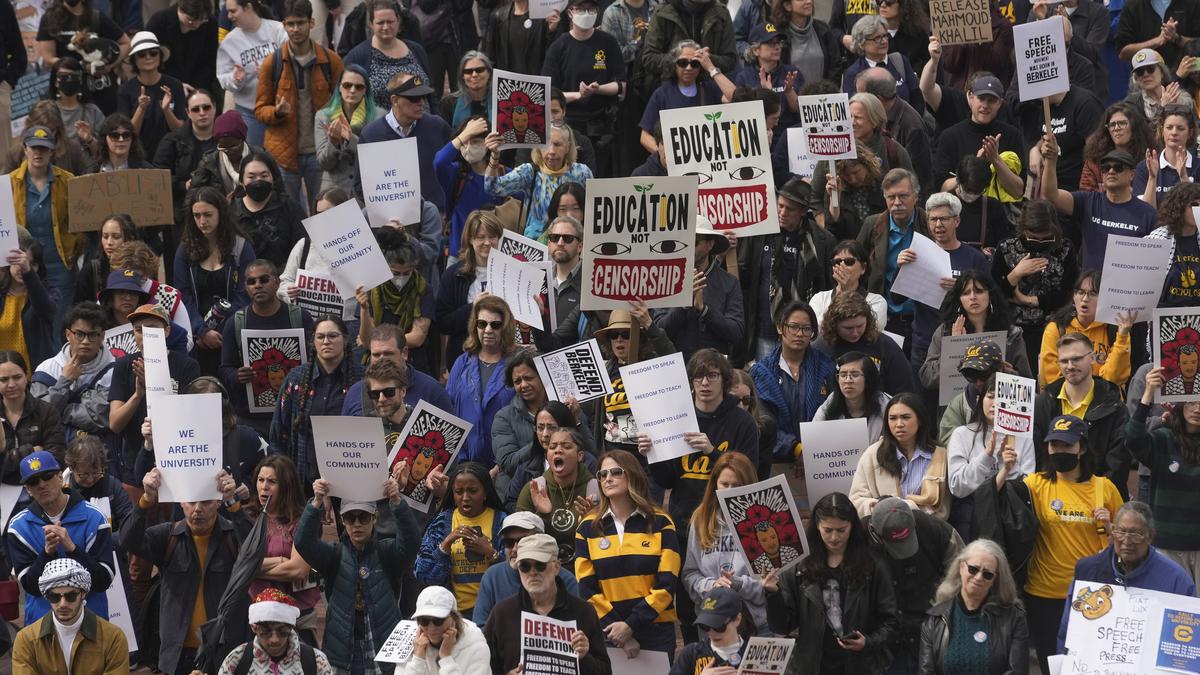
A fledgling technology company boasted about its success in identifying a masked protester at a New York rally using its facial recognition software. This same software was subsequently used to identify individuals at pro-Palestinian marches on college campuses across the US. The information obtained was then shared with right-wing Jewish groups who, in turn, submitted names to the Trump administration, urging the deportation of these individuals.
This practice, coupled with calls from groups like Mothers Against Campus Antisemitism to report foreign students and faculty supporting Hamas to Immigration and Customs Enforcement (ICE), has created a climate of fear among international students. They fear that participating in activism could jeopardize their visas.
Several students have already been detained, including a Columbia University graduate student and a Tufts University student. The Trump administration has indicated that more arrests are forthcoming.
Critics argue that this outsourcing of surveillance to private groups is deeply concerning, particularly as it could lead to wrongful accusations. While some groups justify their actions by focusing on students who have engaged in violent or disruptive behavior, concerns remain about the potential for errors and abuse.
The use of facial recognition by private entities to target protesters also raises significant legal questions, as it pushes into territory previously considered the exclusive domain of law enforcement. Attorneys are already raising concerns about the implications for civil liberties.
The widespread sharing of personal information, known as doxing, further exacerbates the situation. This practice has been used not only against activists in the US but also against Israeli soldiers.
The incident highlights the growing use of technology to suppress dissent and the potential for its misuse by private groups with political agendas. The long-term implications for freedom of speech and the safety of foreign students remain uncertain.
 First Piper