
Wed Mar 26 11:34:32 UTC 2025: ## Japan Awards $1.4 Million to Man Wrongfully Imprisoned for Nearly 50 Years
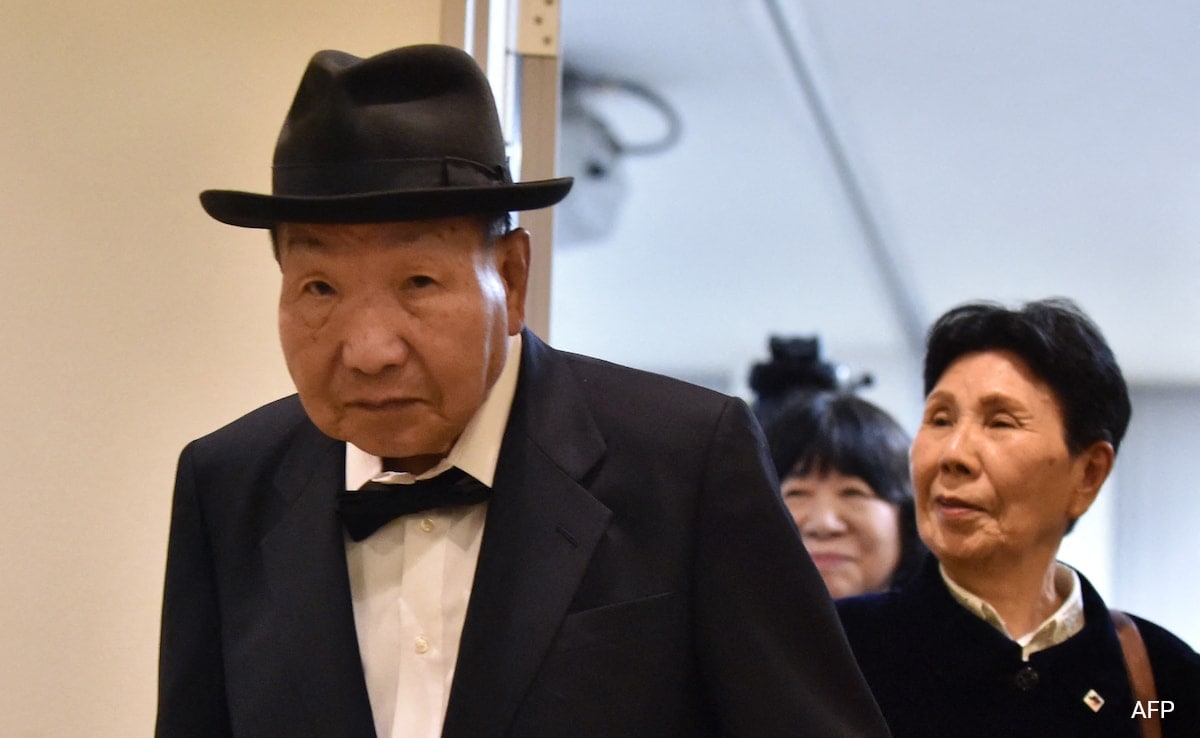
**Tokyo, Japan** – Iwao Hakamada, the world’s longest-serving death row prisoner, has been awarded ¥190 million (approximately $1.4 million USD) in compensation after spending nearly five decades in jail for a quadruple murder he did not commit. His exoneration and subsequent compensation highlight significant flaws within Japan’s outdated and inefficient legal system.
Hakamada, a former boxer now 89 years old, was acquitted last year following a tireless campaign by his sister and supporters. Crucially, his freedom is largely attributed to Judge Hiroaki Murayama, who in 2014 ordered a retrial – a rare and bold move within Japan’s notoriously rigid judicial system.
The retrial, which ultimately revealed police tampering with evidence and coercive interrogation tactics, took nine years to commence, a delay Judge Murayama partly attributes to his own shortcomings in drafting the initial retrial order and partly to the system’s inherent inefficiencies. He notes that the retrial process, designed as a last resort for the wrongly convicted, is failing to function effectively, citing a success rate of only 1% for retrial applications between 2017 and 2021.
Judge Murayama’s experience has prompted him to advocate for systemic change. He points to several factors contributing to the slow and often unfair process, including the prosecution’s ability to appeal retrial orders and the varying levels of commitment amongst judges, with some prioritizing current cases over retrials.
The justice minister has announced plans to review the system, but meaningful reform is expected to take years. Meanwhile, Mr. Hakamada, despite his exoneration, is said to be struggling with the psychological effects of decades of solitary confinement.
Judge Murayama’s involvement in Hakamada’s case, coupled with his previous sentencing of Tomohiro Kato to death (subsequently carried out), has led him to reflect on the death penalty itself. He questions the state’s right to execute a defenseless individual, emphasizing that even one wrongful conviction is unacceptable. Hakamada’s case represents the fifth instance in post-war Japan where a death row inmate has been saved from execution through a retrial, prompting Judge Murayama to urge comprehensive reform to prevent future injustices.
 First Piper