
Tue Mar 25 06:32:52 UTC 2025: ## Woolly Mouse Sparks Debate Over De-Extinction Ethics
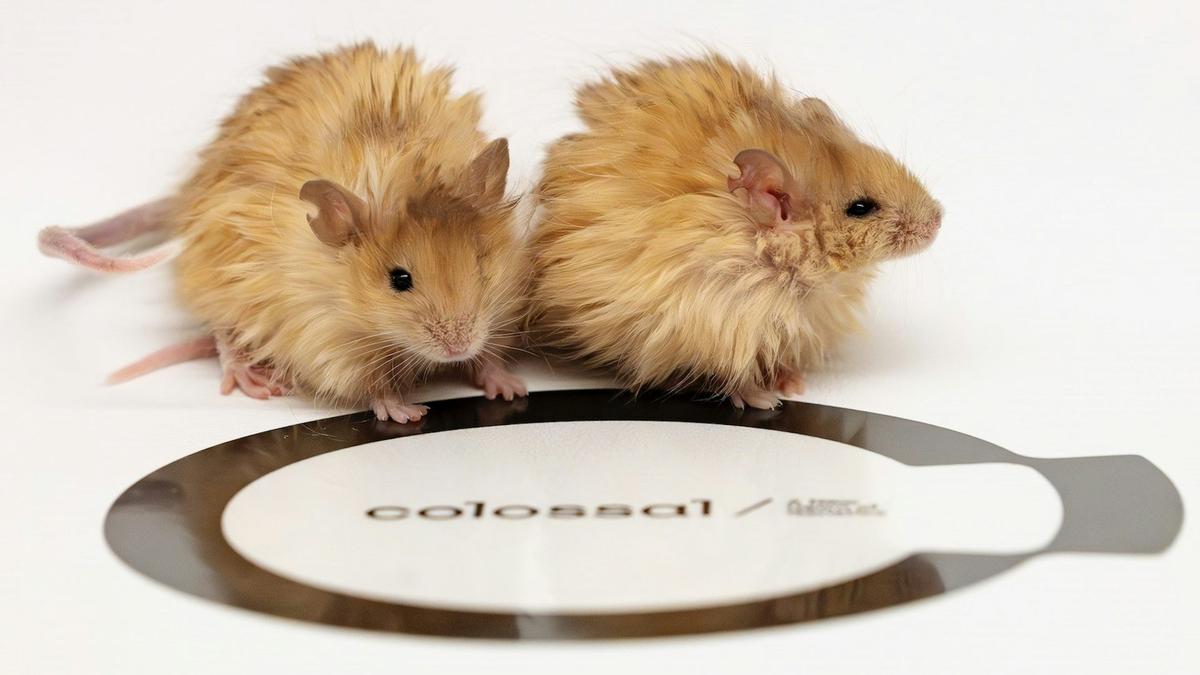
**Melbourne, Australia – March 25, 2025** – Colossal Biosciences has announced a breakthrough in genetic engineering, creating a “woolly mouse” – a lab mouse with a modified woolly coat. While hailed as a step towards bringing back the woolly mammoth, the achievement has ignited a fierce debate over the ethics and priorities of de-extinction.
The company achieved the woolly coat by modifying seven genes in the mouse, six related to hair growth and one, FABP2, based on the mammoth genome. While the modified FABP2 gene didn’t significantly impact body mass, the success showcases advancements in gene editing technology.
However, evolutionary biologist Emily Roycroft, Head of the Evolutionary & Conservation Genomics Research Group at Monash University, cautions that a woolly coat is just a superficial aspect of the mammoth. True “de-extinction” requires recreating a complex suite of genetic, epigenetic, and behavioral traits enabling survival in ice age conditions – a far greater challenge. Roycroft, writing in *The Conversation*, argues that Colossal’s focus on de-extinction distracts from the urgent need to protect currently endangered species.
Colossal’s aim to create a “mammoth-like” elephant by 2028 raises further ethical questions. Is de-extinction for conservation or entertainment? Should we bring back a species to an environment that might not support it? Roycroft highlights the numerous species already extinct due to human activity, arguing that resources should prioritize saving existing threatened species rather than reviving extinct ones. She advocates for increased investment in conservation efforts, including pest control and genetic management of endangered populations. The “woolly mouse,” while a scientific achievement, underscores the complex ethical considerations inherent in de-extinction efforts.
 First Piper