
Mon Mar 24 03:00:00 UTC 2025: ## Kurdish Hope for Statehood: A Century of Struggle and Uncertain Future
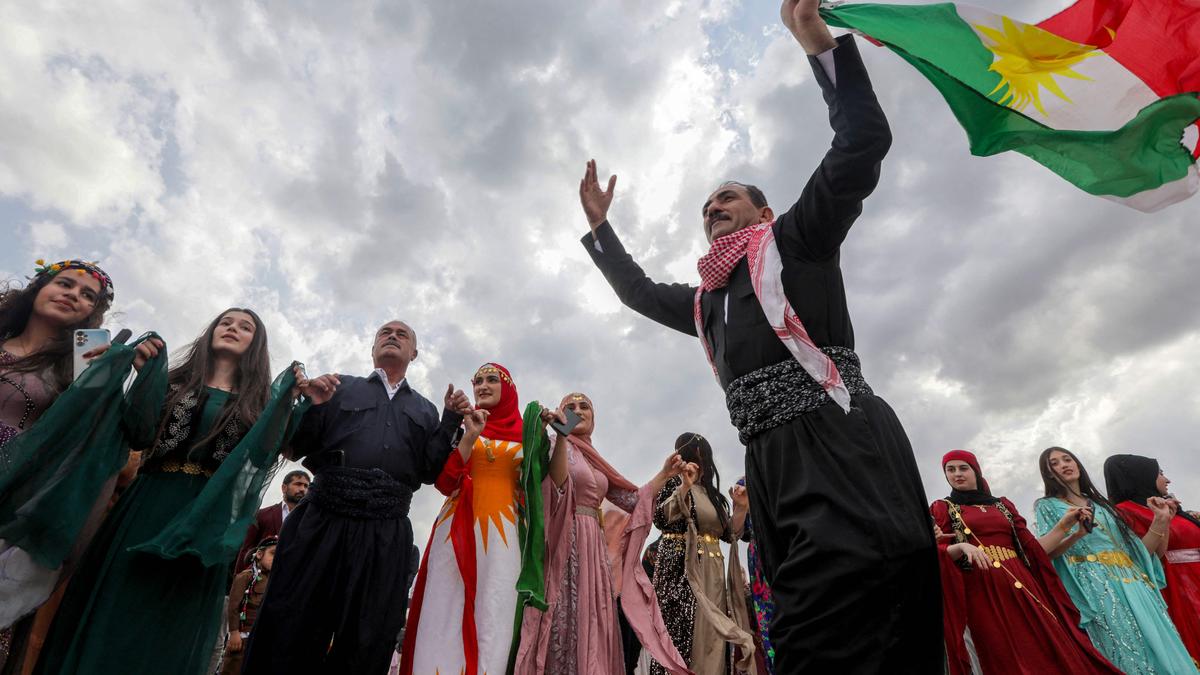
**Ankara/Erbil, March 24, 2025** – The Kurdish people, spread across Turkey, Syria, Iran, Iraq, and Armenia, have pursued the dream of an independent Kurdistan for over a century. Their aspirations, however, have been consistently thwarted by geopolitical realities and internal divisions.
A long history of nomadic life and fragmented tribal structures hindered the Kurds’ ability to form a unified national identity, preventing them from capitalizing on opportunities for statehood, such as the Treaty of Sèvres in 1920. The subsequent rise of Turkish nationalism under Mustafa Kemal Atatürk, fueled by fears of internal dissent, led to the suppression of Kurdish culture and identity. Several uprisings were brutally crushed, resulting in widespread violence and the silencing of Kurdish voices for decades.
The mid-20th century saw a resurgence of Kurdish identity, fueled by conscription and the rise of a Kurdish proletariat. This era witnessed the emergence of the Kurdistan Workers’ Party (PKK), a Marxist-Leninist group that launched a guerrilla campaign against the Turkish state. While designated a terrorist organization by Turkey, the U.S., and the EU, the PKK has found support in Russia.
Different outcomes have marked the Kurdish experience in neighboring countries. Post-Saddam Hussein Iraq saw the creation of a semi-autonomous Kurdistan region, which held a referendum for independence in 2017, ultimately resulting in a military response from Baghdad. In Syria, the civil war allowed the Kurds to establish a de facto autonomous region, Rojava, but its future remains uncertain following a recent ceasefire with the Syrian interim government.
A recent ceasefire declared by the PKK, calling for disarmament and the dissolution of the organization, marks a significant moment, leaving the future of Kurdish aspirations for an independent state uncertain. The complex history of the Kurdish people, marked by both internal divisions and external repression, continues to shape their uncertain path towards self-determination.
 First Piper