
Sat Mar 22 05:09:13 UTC 2025: ## India Faces Severe Water Crisis: Urgent Call for Conservation
**CHENNAI, INDIA (March 22, 2025)** – India is grappling with a severe water crisis, affecting hundreds of millions and highlighting the urgent need for conservation efforts, according to a recent article in *The Hindu*. The Central Ground Water Authority estimates that the average Indian uses around 135 litres of water daily, a figure that can easily double with longer showers or bath usage. However, access to this vital resource is vastly unequal, with many impoverished communities facing extreme shortages.
The NITI Aayog reports that nearly 600 million Indians experience high-to-extreme water stress, resulting in an estimated 200,000 deaths annually due to unsafe water. Major cities like Delhi, Bengaluru, and Chennai are particularly hard-hit, and the situation is projected to worsen. This crisis mirrors global trends, with water levels plummeting even in developed nations like the United States.
The article emphasizes that water waste stems from seemingly minor sources: leaky taps, excessively long showers, and even seemingly insignificant actions during daily routines. It encourages readers to calculate their individual water footprint using online calculators and suggests identifying and rectifying water wastage at home and school.
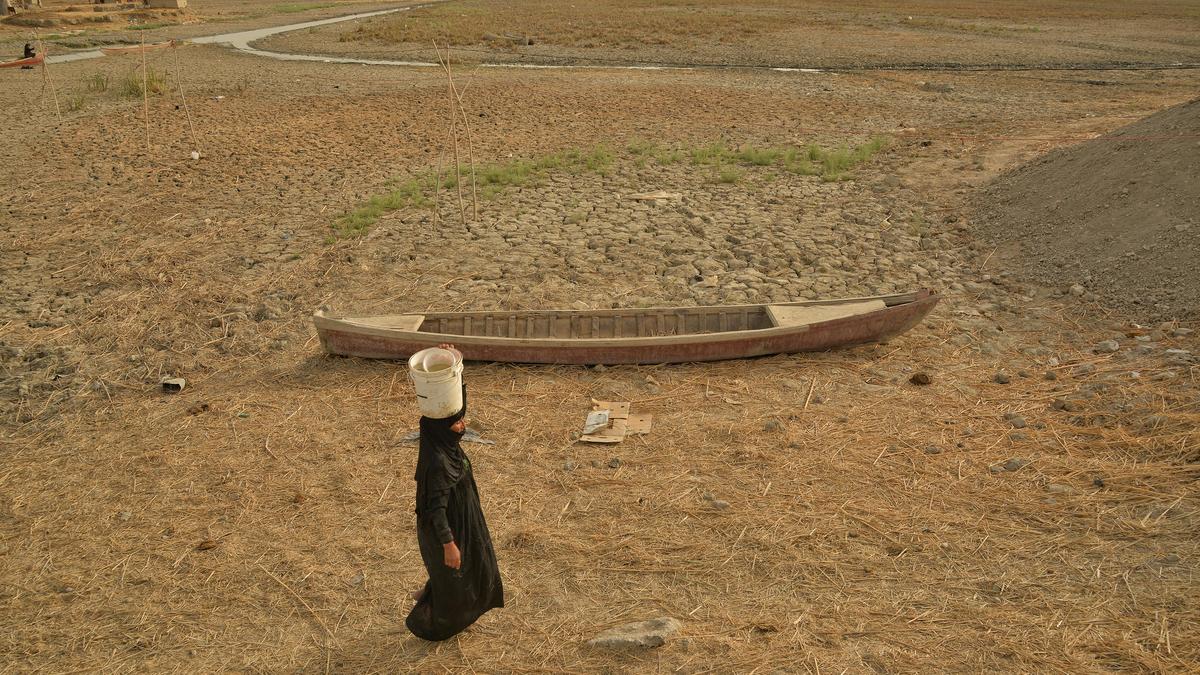
The burden of water collection disproportionately affects women and girls in rural areas, who often walk kilometers daily to access clean water, exposing them to physical hardship and safety risks. The lack of adequate water and sanitation in schools, particularly in water-stressed regions, contributes to higher dropout rates, especially among girls.
The article highlights the United Nations’ recognition of the human right to water and sanitation, contrasting this with the reality that over 4.2 billion people globally lack safely managed sanitation. It promotes the work of organizations like the Centre for Science and Environment (CSE) and the Centre for Environment Education (CEE), which offer programs focused on water conservation and education. Initiatives such as the Swarovski Waterschools in Pune, partnering with WWF India, are cited as examples of successful community-based conservation projects.
The article concludes with a call for increased awareness and education, especially among young people, to foster responsible water usage and ensure sustainable water management for future generations.
 First Piper