
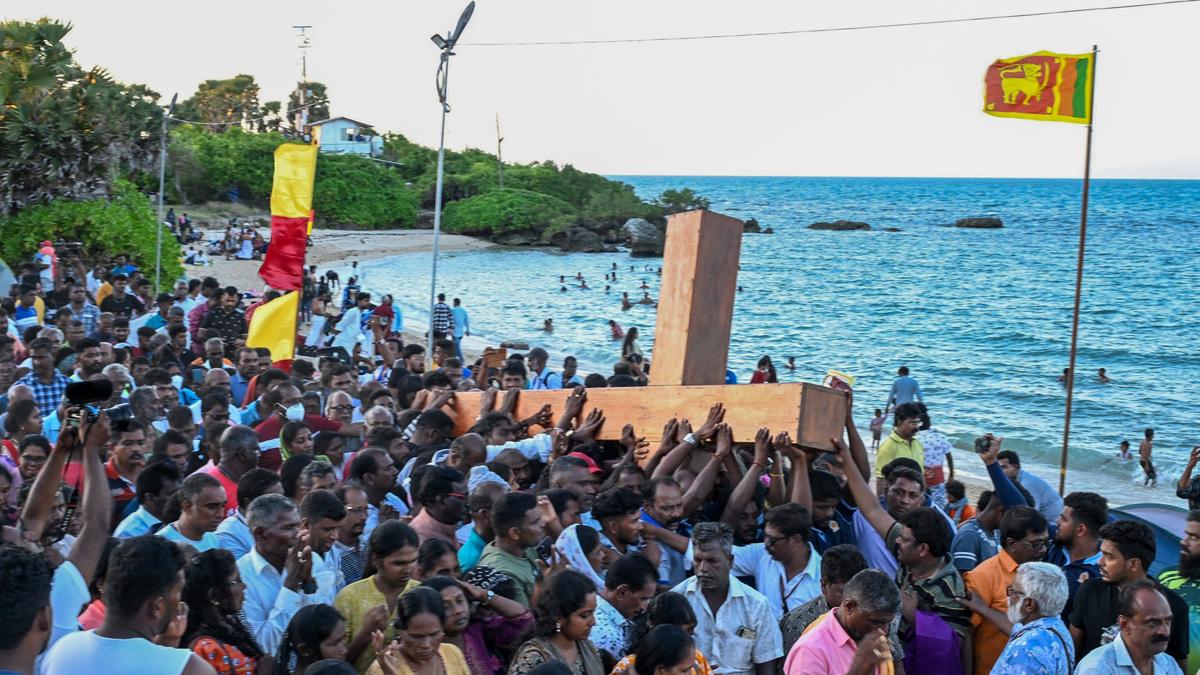
Sat Mar 22 19:19:40 UTC 2025: ## Katchatheevu Festival Highlights Tensions Between Indian and Sri Lankan Fishermen
**Colombo/Rameswaram, March 23, 2025** – The annual St. Anthony’s Church festival at the Katchatheevu islet, a site ceded by India to Sri Lanka in 1974, underscored simmering tensions between Indian and Sri Lankan fishermen. While the festival brought together thousands of pilgrims from both nations, underlying disagreements over fishing rights and depleting fish stocks dominated conversations.
Sri Lankan Tamil fishermen, particularly the younger generation, voiced concerns about overfishing by Indian trawlers, claiming it threatens their livelihoods and the sustainability of fish populations in the Northern Province. They highlighted the Sri Lankan government’s ban on bottom-trawling, putting them at a disadvantage against their better-equipped Indian counterparts who often trespass the International Maritime Boundary Line (IMBL).
Indian fishermen, on the other hand, emphasized their dependence on bottom trawlers, arguing that switching to traditional methods would severely impact their catches. They called for government intervention to negotiate a solution that accommodates both nations’ needs, citing the loss of traditional fishing grounds and urging the release of arrested fishermen and impounded boats.
The discussions, held against the backdrop of the religious festival, revealed a complex interplay of economic hardship, national policies, and the long-standing emotional ties between the Tamil fishing communities across the Palk Strait. While some older community members emphasized the enduring kinship between the groups, the younger generation pressed for concrete action, highlighting the need for sustained dialogue between both governments to resolve the fishing dispute. Several proposals, including limited access across the IMBL under naval supervision, were suggested.
Despite the tensions, the festival itself showcased the shared faith and cultural connections between the fishermen. However, the underlying issues remain unresolved, demanding immediate attention from both the Indian and Sri Lankan governments to prevent further escalation and ensure the sustainable livelihoods of the fishing communities. The Sri Lankan Minister of Fisheries, Ramalingam Chandrasekhar, while acknowledging the need for a peaceful agreement, emphasized adherence to the law and indicated no immediate release of arrested Indian fishermen.
 First Piper