
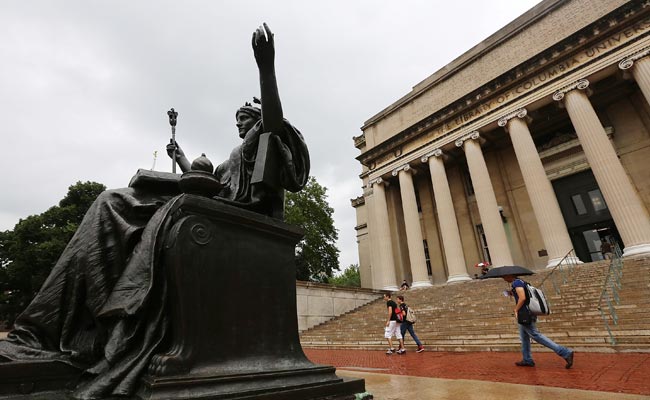
Sat Mar 22 14:44:28 UTC 2025: ## Columbia University Caves to Trump Administration, Accepting Funding Cuts and Controversial Changes
**New York, NY** – Columbia University has agreed to sweeping changes in exchange for the reinstatement of $400 million in federal funding, a decision that has sparked outrage and concern across the academic community. The Trump administration withheld the funds earlier this month, citing allegations of antisemitism on campus.
The agreement mandates significant alterations to university policies and structure, including a campus-wide ban on face masks, empowering security officers with arrest powers, and placing the Middle Eastern, South Asian, and African Studies department under the control of a newly appointed official.
Critics, including University of Pennsylvania education historian Jonathan Zimmerman, have condemned the deal as a dangerous precedent, setting a chilling effect on academic freedom. Zimmerman described the government’s actions as using funding “as a cudgel to micromanage a university,” with no historical precedent.
The funding cut initially disrupted numerous research projects, including medical and scientific initiatives such as AI-based healthcare tools, uterine fibroid research, and improved blood transfusion therapies. Columbia has since hired 36 special officers with arrest powers and revised its anti-discrimination policies in response. A review of Middle East-focused programs, including the Center for Palestine Studies and the Institute for Israel and Jewish Studies, will also be conducted under the purview of the newly appointed official, who will also oversee hiring and curriculum changes.
The administration’s actions are part of a broader crackdown targeting at least 60 universities for alleged non-compliance with federal civil rights laws related to antisemitism. This follows a pattern of targeting perceived political opponents, including law firms. The controversy stems from student protests on campus last year expressing dissent against US government policies towards Israel.
The agreement has drawn widespread criticism for its perceived impact on academic freedom and the potential for government overreach in higher education. Academics and students alike express deep concern over the implications of this precedent.
 First Piper