
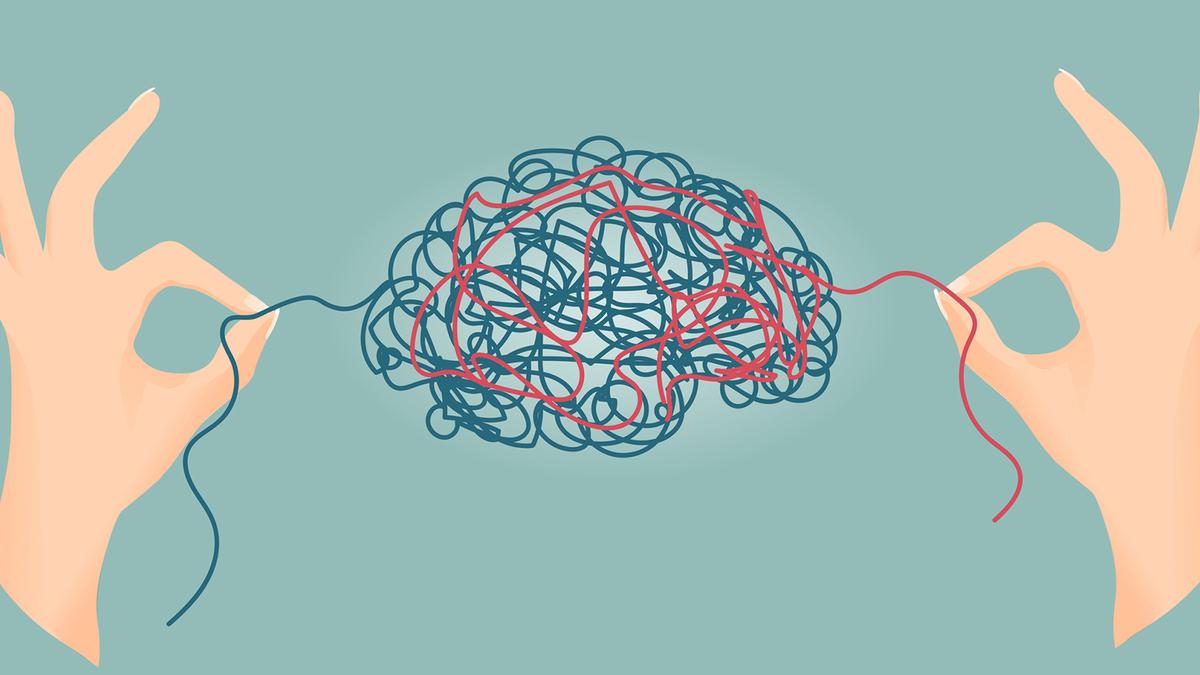
Mon Mar 17 11:35:53 UTC 2025: ## Memory: A Mischievous Machine – New Research Explores the Complexities of Remembering and Forgetting
**Chennai, India – March 18, 2025** – A new article in The Hindu delves into the fascinating and often frustrating world of human memory, exploring its complexities from a neuroscientific and cultural perspective. IIT Madras’ Avishek Parui, a leading researcher in memory studies, highlights the multifaceted nature of memory, revealing it to be not simply a storage system, but a dynamic, interactive process influenced by context, emotion, and even cultural biases.
Parui’s piece challenges the notion of memory as a straightforward retrieval system. He argues that remembering is an active process of reconstruction, constantly shaped by our experiences and the environment. Each recall, he explains, is not a replay of the original event, but a “reconsolidation” of the last remembered version. This explains phenomena like the “butcher on the bus” effect, where familiar faces go unrecognized outside their usual context.
The article cites research illustrating how false memories can be implanted, influenced by factors like strategic questioning or media portrayals, echoing the work of Elizabeth Loftus and Salman Rushdie’s personal account of a false memory stemming from media coverage. Furthermore, it examines how cultures and nations collectively remember and forget, sometimes intentionally and sometimes not, drawing on the work of Paul Connerton.
The role of context is emphasized. Research shows that individuals may recall information more readily when they are in the same environment as the original event. This is supported by the experience of neuroscientist Charan Ranganath, who finds his Tamil vocabulary improves when visiting Chennai.
Parui concludes by asserting that memory is an “interactive activity,” integrating information with emotion and knowledge with experience, making it both mysterious and at times, unreliable. The article draws on insights from neuroscience, narratology, and even literature to paint a holistic picture of this complex cognitive function, concluding that truly understanding memory requires an interdisciplinary approach.
 First Piper