
Tue Mar 18 22:00:00 UTC 2025: ## NASA Twin Study Reveals Human Body’s Resilience in Space
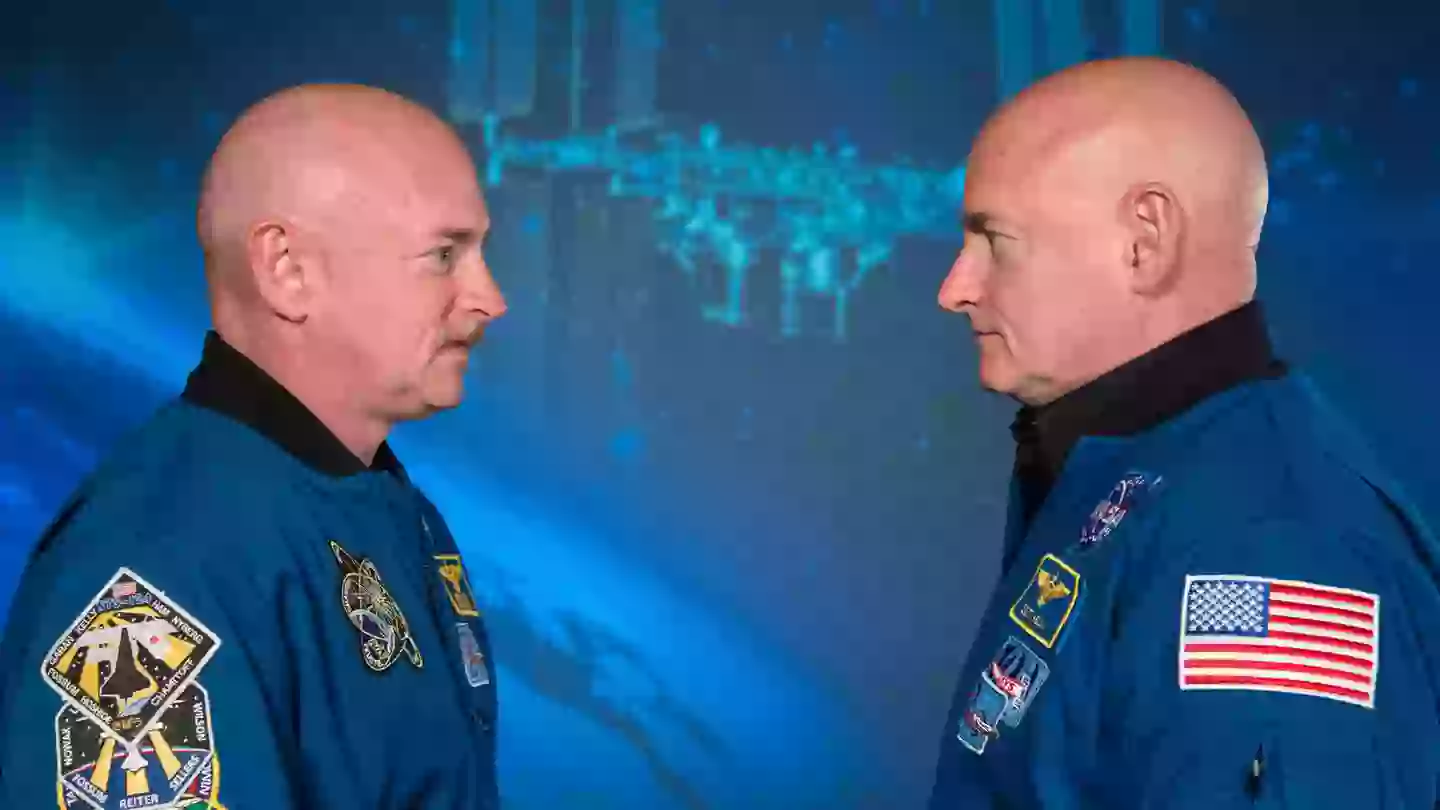
**Houston, TX** – A landmark NASA study utilizing identical twin astronauts, Scott and Mark Kelly, has revealed surprising insights into the human body’s ability to withstand the rigors of long-duration spaceflight. The study, published as “The Twin Study,” compared the health of astronaut Scott Kelly, who spent nearly a year (340 days) aboard the International Space Station in 2015-2016, with his earthbound twin brother, Mark.
The unique nature of the experiment allowed researchers to isolate the effects of space travel by comparing the identical genetic makeup of the two brothers. Scott underwent extensive testing before, during, and after his mission, encompassing blood, urine, stool, and saliva samples, as well as vision, cognitive, and physical assessments. Mark underwent the same tests while remaining on Earth.
While some expected significant health issues, the results surprised researchers. Scott experienced minimal long-term health problems directly attributable to his extended time in space. His immune system largely returned to normal after landing, and most physiological changes reverted to baseline within a short time.
One unexpected finding was the lengthening of telomeres—protective caps on chromosomes—in Scott’s white blood cells. Telomeres typically shorten with age, indicating accelerated aging or increased risks of diseases like cancer. The lengthening in this case remains an area of further research.
According to Steven Platts, deputy chief scientist with NASA’s Human Research Program, the study highlights the human body’s remarkable adaptability. “The results… show the resilience and robustness of the human body,” Platts stated. The findings will significantly inform future biomedical space research and contribute to safer human missions to Mars and beyond. The study provides crucial data for mitigating potential health risks associated with extended space travel, paving the way for future deep space exploration.
 First Piper