
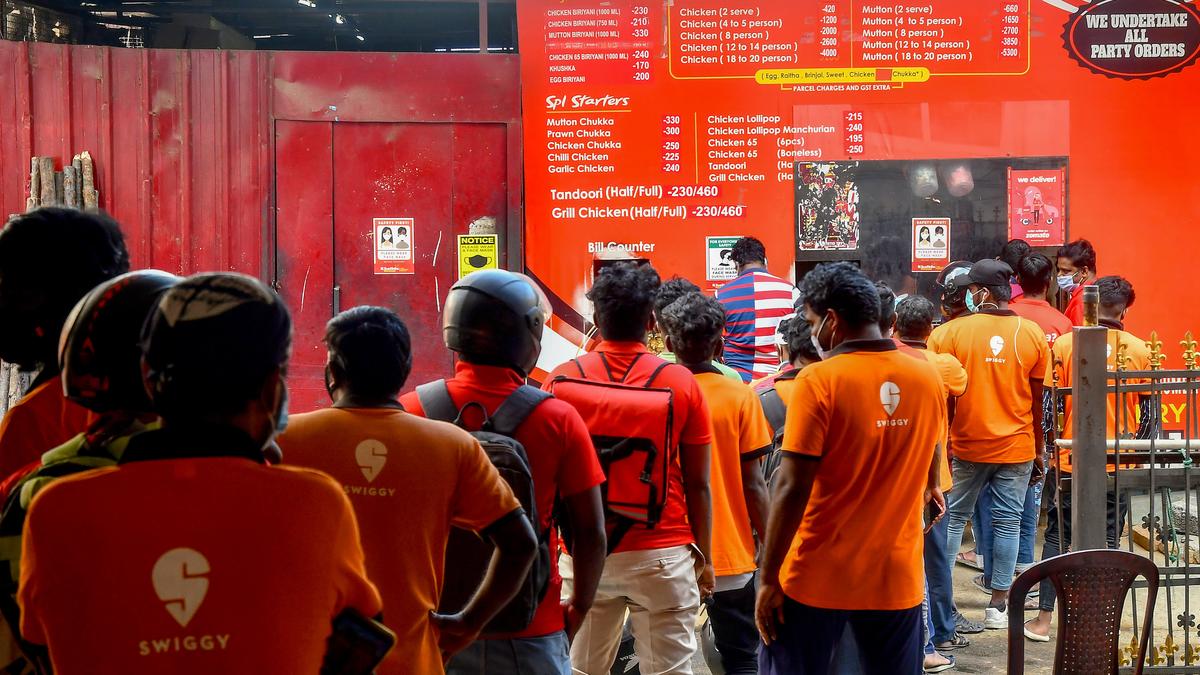
Sun Mar 16 01:34:00 UTC 2025: ## Millions of Indian Gig Workers Face Exploitation Amidst Growing Numbers
**Chennai, March 16, 2025** – A burgeoning gig economy in India, projected to reach 23.5 million workers by 2030, is leaving millions without crucial social security benefits and facing exploitative working conditions, according to a new report. While the work offers flexibility, particularly appealing to those struggling to find traditional employment, concerns are mounting over low wages, inadequate safety measures, and a lack of worker rights.
The report highlights the plight of ride-hailing drivers, food delivery personnel, and other gig workers across India, focusing particularly on experiences in Tamil Nadu. Many workers interviewed reported grueling hours, earning as little as ₹250 for ten deliveries, with expenses often exceeding their earnings. Long working hours, including Sundays, are common, and many forgo breaks for fear of losing income.
Women gig workers face additional risks, including harassment and violence while making deliveries, with insufficient platform support to address these issues. Workers with disabilities also face significant challenges, lacking appropriate support and accessibility.
Although the Code on Social Security 2020 recognizes gig workers, its implementation is weak, leaving workers without access to minimum wages, regulated hours, and other basic protections. While the Union Budget 2025-26 pledged to register gig workers on the e-Shram portal and provide access to public health insurance, experts argue this is only a small step towards addressing the broader systemic issues.
The Tamil Nadu government’s recent establishment of a welfare board for gig workers has seen slow progress, with only a fraction of the state’s estimated 4.5 lakh delivery workers registered. Efforts to unionize workers also face significant challenges, given the temporary nature of the work and high worker turnover.
Experts call for stronger regulations mandating rest periods, health insurance, workplace safety, and comprehensive benefits including pensions, disability coverage, and maternity leave. They also emphasize the need for accessible reporting systems to address worker grievances and fairer compensation models. The ongoing struggle highlights the urgent need for comprehensive policy reforms to protect the rights and well-being of India’s rapidly expanding gig workforce.
 First Piper