
Fri Mar 14 22:30:00 UTC 2025: ## Former Nepalese King’s Arrival Sparks Debate Over Monarchy’s Return
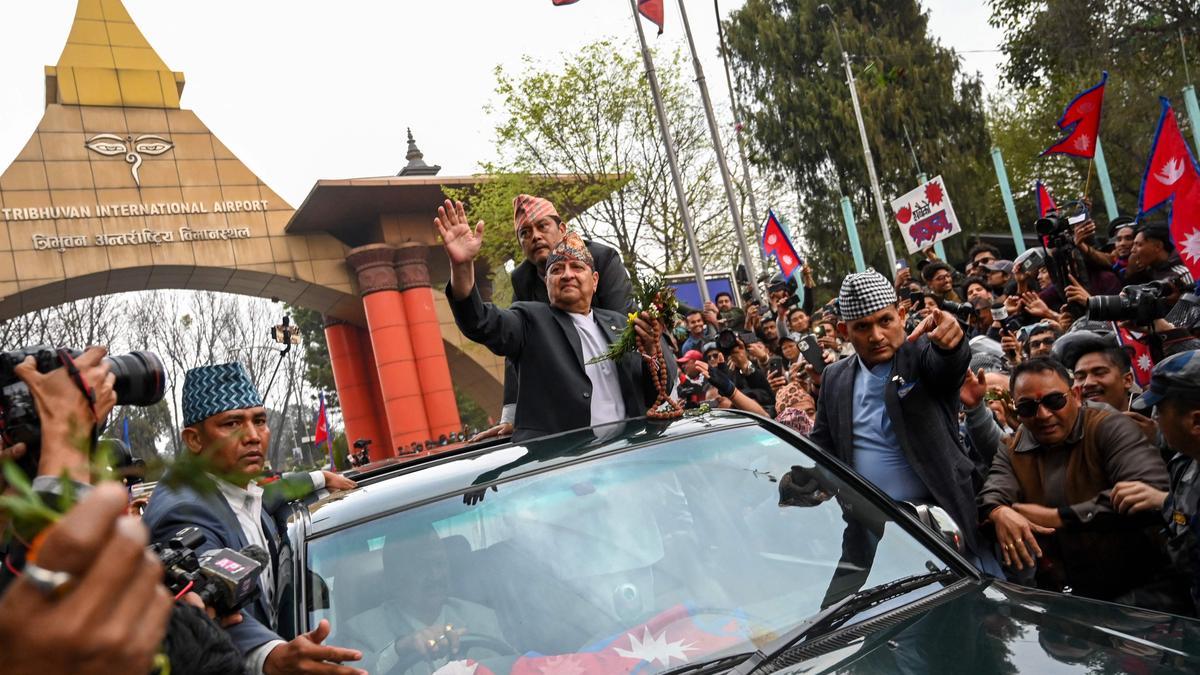
**Kathmandu, Nepal –** The arrival of Nepal’s former King Gyanendra Bir Bikram Shah Dev at Tribhuvan International Airport on March 9th, 2025, triggered a renewed debate about the possibility of the monarchy’s return. While greeted by approximately 10,000-15,000 supporters chanting pro-monarchy slogans, analysts suggest the rally reflected broader public dissatisfaction with the current republican government rather than widespread monarchist sentiment.
Seventeen years after Nepal transitioned to a republic following widespread protests against King Gyanendra’s 2005 coup, the rally highlighted deep-seated frustration with political instability and economic woes. The country has seen numerous government changes since 2008, leaving many feeling disillusioned by the ruling politicians’ perceived failures to address pressing issues such as unemployment, economic stagnation, and a high trade deficit.
Many attendees, particularly young people, stated their presence wasn’t an endorsement of the monarchy but a protest against the current political leadership’s inability to deliver on promises of improved living standards and opportunities. This sentiment underscores a deeper underlying issue: a lack of faith in the current political system.
While some view the rally as a significant resurgence of pro-monarchy sentiment, others, like writer Dambar Khatiwada, contend it’s a recurring phenomenon reflecting the ongoing dissatisfaction with the republican system’s shortcomings. He identified three prevailing viewpoints regarding the monarchy’s potential return: a belief that the monarchy was superior, acceptance of the status quo under the republic, and a desire to reform the existing system. He argues that the weakness of the reformist perspective has fueled the polarization between the other two viewpoints.
The presence of a poster depicting Yogi Adityanath, the Chief Minister of Uttar Pradesh, at the rally sparked accusations of Indian involvement, a sensitive issue given India’s historical influence on Nepalese politics. However, many dismissed this as an attempt by politicians to deflect criticism.
Despite the pro-monarchy rally, political analysts largely agree that the movement lacks the strength to bring about a significant shift in Nepal’s political landscape. The focus, they argue, should be on addressing the underlying causes of public discontent and strengthening the existing republican system rather than revisiting the monarchy.
 First Piper