
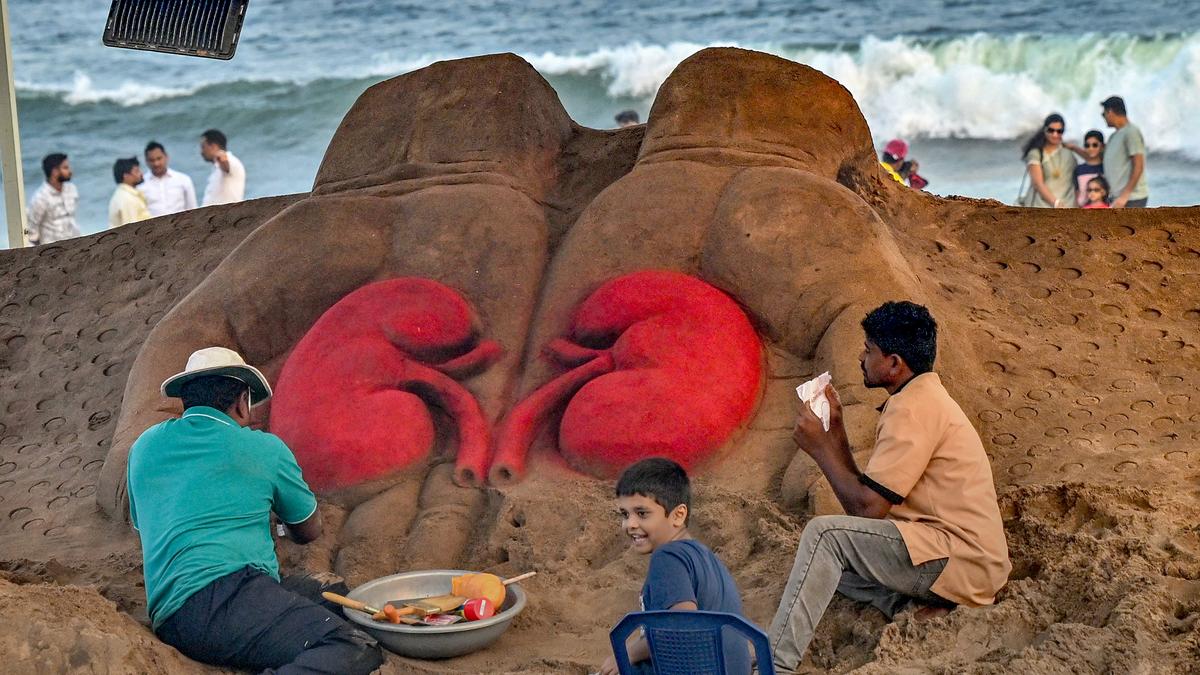
Thu Mar 13 22:30:00 UTC 2025: ## Young Indians Face Growing Kidney Disease Crisis
**Visakhapatnam, March 14, 2025** – A surge in kidney-related illnesses among young Indians is raising serious concerns among medical experts. While traditionally associated with older age, chronic kidney disease (CKD) is now increasingly affecting teenagers and young adults, driven by unhealthy lifestyles, unregulated supplement use, and a lack of awareness.
Studies show that 10-15% of Indians suffer from kidney problems, spanning all age groups. Early-stage CKD often presents no symptoms, highlighting the critical need for regular screenings, according to Dr. Manisha Sahay, professor and head of nephrology at Osmania General Hospital. She stresses the importance of routine kidney function tests, particularly for high-risk individuals including those with diabetes, hypertension, heart conditions, obesity, or a family history of kidney disease. Young people exposed to pesticides or frequent painkiller users are also at increased risk.
Dr. Sahay recommends lifestyle changes such as maintaining a healthy weight through exercise, balanced diet, and limiting salt intake. She advises against excessive fast food and hidden sodium sources, promoting natural alternatives. Adequate hydration, sleep, and managing blood sugar, blood pressure, and cholesterol levels are also vital.
Consultant nephrologist Dr. Avula Naveen Reddy of the Asian Institute of Nephrology and Urology (AINU) echoes these concerns, noting a significant rise in cases among Gen Z. He points to elevated creatinine levels in gym-goers, protein leakage in urine, and stress-related urinary infections among students as contributing factors. AINU reports a substantial increase in cases among 16-20 year olds.
Dr. Reddy urges young people to avoid over-the-counter painkillers, limit whey protein supplements, and prioritize plant-based protein. He emphasizes proper hydration, citing poor sanitation in schools and colleges as a factor in reduced water intake and increased risk of kidney stones and infections. He advises seeking medical attention for symptoms like excessive urine foaming, fever with abdominal pain, burning urination, or blood in urine.
Experts warn that awareness remains critically low, despite the growing problem. With limited resources, dialysis and kidney transplants remain inaccessible to many, underscoring the need for prevention. Dr. Sahay points out that India performs only around 15,000 kidney transplants annually, while the demand is nearly 200,000.
Dr. D. Sree Bhushan Raju of Nizam’s Institute of Medical Sciences (NIMS) adds further risk factors, including preterm babies, obese teenagers and young adults, those with a family history of kidney disease, and individuals with childhood kidney conditions. He also highlights the dangers of unregulated protein supplement and painkiller use. He recommends creatinine tests every six months for high-risk individuals and annual check-ups for those with a family history or other risk factors.
Dr. V.V.R. Satya Prasad of Rainbow Children’s Hospital emphasizes that childhood kidney diseases are irreversible and may require dialysis or transplantation.
The escalating crisis underscores the urgent need for increased awareness, preventative measures, and lifestyle changes to combat the rising tide of kidney disease among young Indians.
 First Piper