
Tue Mar 11 07:01:33 UTC 2025: **Desperate Measures to Save the Endangered US Ocelot**
Corpus Christi, Texas – Scientists are racing against time to save the critically endangered ocelot population in the United States, employing advanced reproductive techniques with limited success so far. Fewer than 100 ocelots remain in two small, isolated populations in South Texas, representing the last wild ocelots in the US.
Researchers from institutions including the Cincinnati Zoo and the East Foundation are utilizing artificial insemination and in vitro fertilization (IVF) techniques. Despite numerous attempts, including 13 artificial inseminations and four IVF procedures, none have resulted in a viable pregnancy. The challenges are multifaceted, stemming from decreased sperm quality in wild ocelots due to inbreeding, environmental stressors like drought, and the difficulty in preserving sperm motility during freezing.
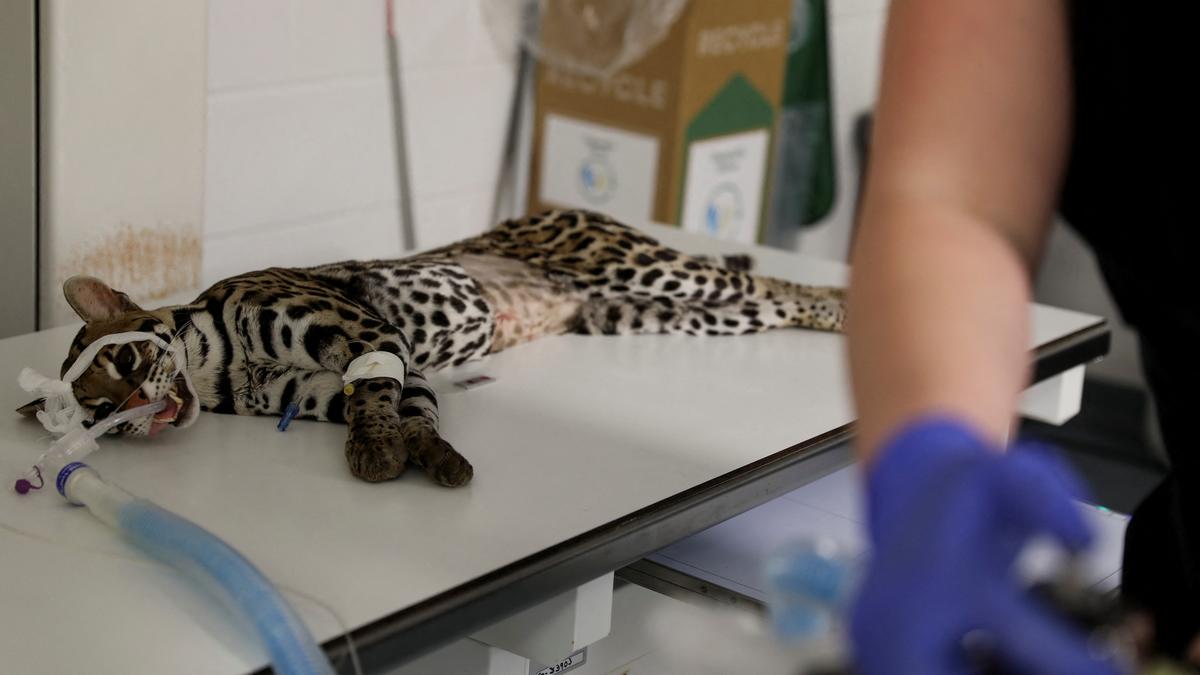
The low reproductive rate of ocelots, which typically have only one kitten per year, further complicates conservation efforts. Recent attempts at IVF, such as the extraction of two eggs from a five-year-old ocelot named Milla at the Texas State Aquarium, unfortunately failed to produce a fertilized egg.
The decline of the ocelot population is attributed to historical fur trading, habitat loss, and human encroachment, particularly roadways. A new facility in Kingsville, Texas, is under construction to provide a dedicated space for ocelot breeding, medical care, and training young ocelots for survival in the wild. Scientists plan to resume fertility procedures in the fall after collecting more wild ocelot sperm. The project aims not only to save the ocelot itself but also to preserve the vital ecosystem it inhabits.
 First Piper