
Mon Mar 10 12:58:55 UTC 2025: ## Ancient Child’s Remains Yield Clues to Human-Neanderthal Interbreeding
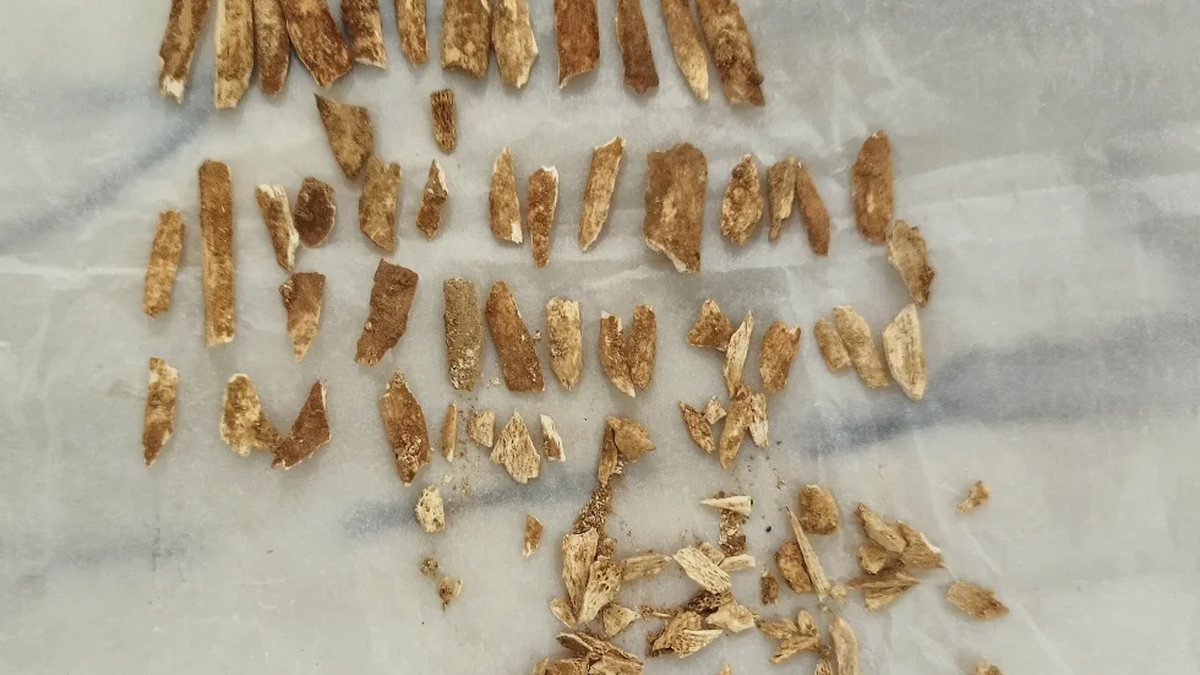
**Lisbon, Portugal** – Scientists have successfully dated the remains of a nearly complete, 27,000-year-old child skeleton discovered in Lagar Velho, Portugal, offering new insights into human-Neanderthal interbreeding. The skeleton, first unearthed 27 years ago, exhibits a unique blend of human and Neanderthal features, a characteristic that fueled earlier hypotheses about interbreeding between the two groups.
Initially, dating the remains proved challenging due to root intrusion and contamination. However, researchers, using a novel protein-based dating technique published in *Science Advances*, have pinpointed the child’s age to between 27,700 and 28,600 years old. This confirms earlier estimates based on dating surrounding charcoal and animal bones.
The study’s authors highlight the significance of the discovery, emphasizing that the remains represent not just bones, but the grave of a young child, raising poignant questions about the child’s life and the society they lived in. The findings further solidify the understanding that human populations interbred with Neanderthals, a theory now supported by genetic evidence. Experts hailed the research as a testament to advancing dating methodologies and their crucial role in deciphering our ancient past. The study underscores the ongoing quest to unravel the complex story of human origins.
 First Piper