
Sun Mar 09 16:33:50 UTC 2025: **India’s AI and Quantum Computing Ambitions: A Reactive but Necessary Push**
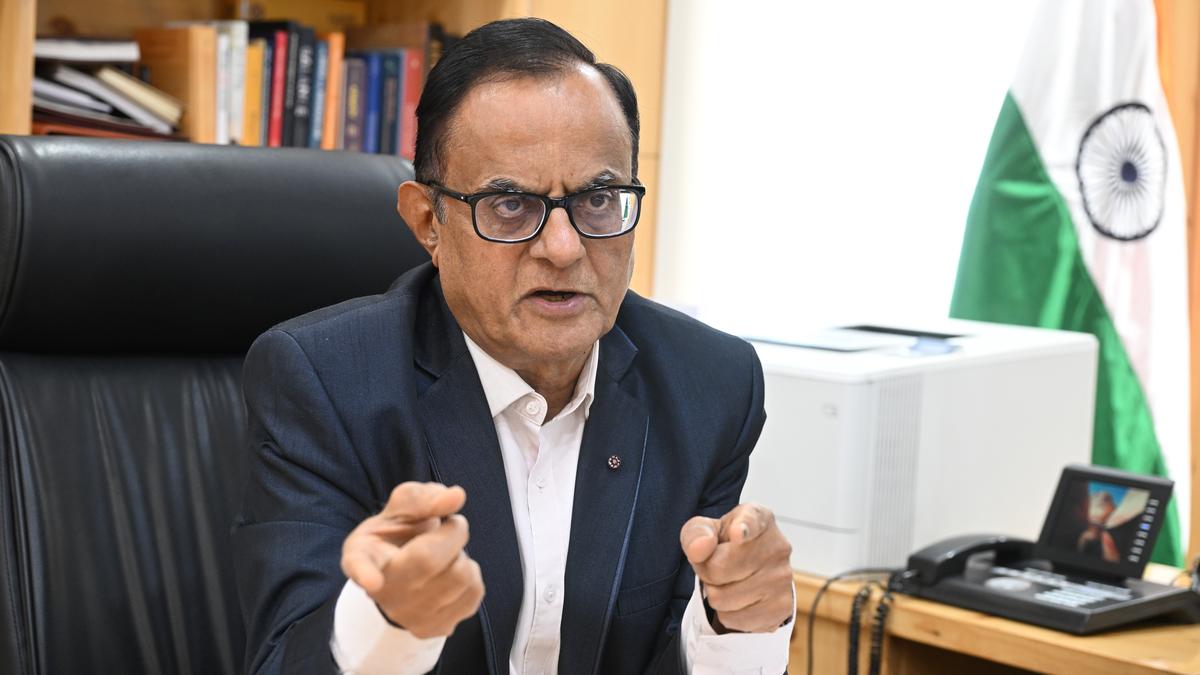
**New Delhi, March 10, 2025** – India is stepping up its efforts in artificial intelligence (AI) and quantum computing, spurred by recent global advancements, according to Dr. Ajay Sood, Principal Scientific Advisor to the Government of India. In an interview with The Hindu, Dr. Sood acknowledged that India’s approach is partly reactive, but emphasized the necessity of developing its own foundational AI models and pursuing research in quantum computing, particularly in the field of Majorana qubits.
Dr. Sood downplayed concerns over the recent emergence of DeepSeek, a powerful AI model, stating that while impressive, India possesses the resources and is already undertaking initiatives to catch up. He highlighted the Indian AI Mission, which aims to develop foundational AI models and secure substantial computing resources, including a planned 18,000 GPU compute facility. The government is also addressing the need for large datasets to train these models. While acknowledging the debate over developing India’s own foundational models versus adapting existing open-source models, Dr. Sood stressed the importance of creating models tailored to India’s unique cultural and demographic context. He underscored the economic benefits of this approach, arguing that it would prevent India from remaining solely in a service-based role within the AI industry.
On the subject of quantum computing, Dr. Sood expressed excitement over Microsoft’s reported success with Majorana 1, the first quantum chip using a Topological Core architecture. He lauded this as a significant achievement after decades of theoretical work, highlighting the technology’s potential to accelerate the development of more robust and powerful quantum computers. While acknowledging that the field is still evolving and the best approach remains unclear, Dr. Sood encouraged India’s continued research and development in this area, emphasizing the need for sustained investment and a long-term perspective. He concluded by expressing optimism about the future of AI and quantum computing, viewing these advancements as tools for human progress, particularly through automation and enhanced efficiency.
 First Piper