
Sat Mar 08 17:19:07 UTC 2025: ## Air India Faces Backlash After Elderly Passenger Suffers Stroke Following Wheelchair Delay
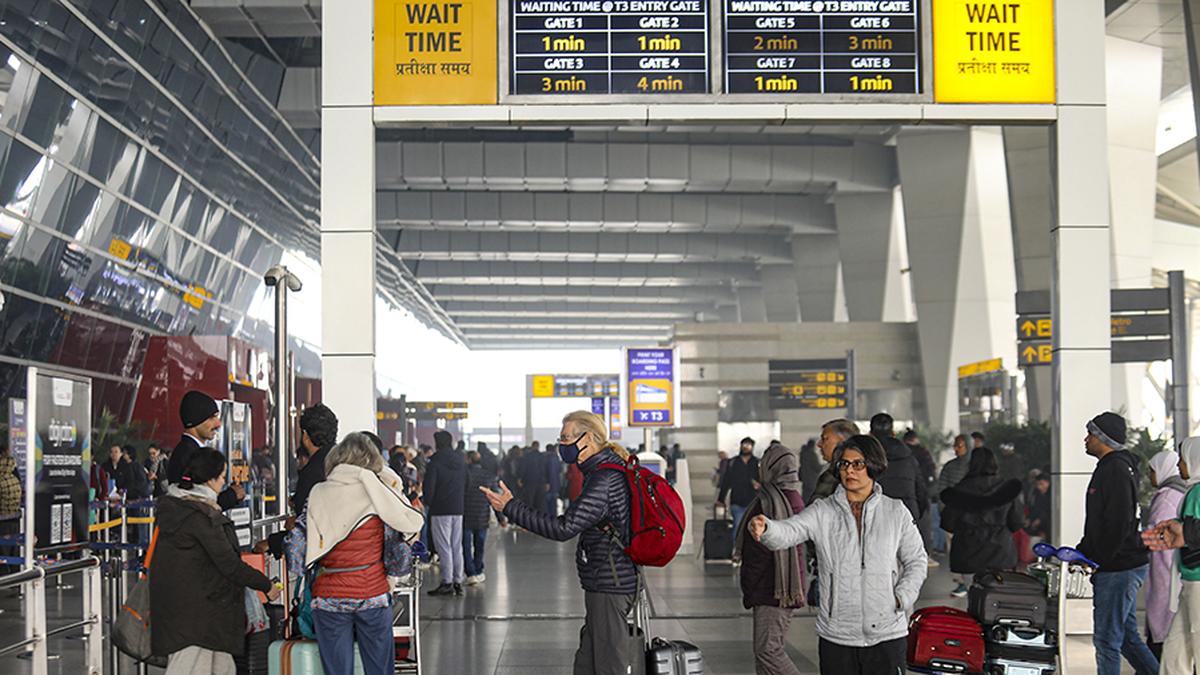
**New Delhi, March 8, 2025** – Air India is facing criticism after an 82-year-old passenger suffered a stroke following a delay in receiving a pre-booked wheelchair at Delhi’s Indira Gandhi International Airport. Raj Pasricha and her family arrived at the airport less than 90 minutes before their 5 p.m. flight to Bengaluru, but experienced a significant delay in receiving wheelchair assistance at the designated desk.
While Air India claims the family arrived later than the recommended two hours before departure, the family disputes this, stating they waited 15-20 minutes for the wheelchair before proceeding to the check-in counters, where Ms. Pasricha fell and sustained head injuries. Following the incident, she received first aid at the airport and was eventually provided with a wheelchair and fast-track boarding. However, she continued to bleed throughout the flight and was admitted to the ICU of Bengaluru’s IAF Command Hospital on March 5 after suffering a brain stroke.
Air India maintains that the on-site doctor offered additional medical attention, which the family declined, opting to proceed with the flight. The family vehemently denies this claim, asserting they received no such advice nor were asked to sign any undertaking accepting travel risk.
Vaishnavi Jayakumar of the Disability Rights Alliance criticized Air India’s response as victim-blaming, highlighting that the airline’s responsibility extends to ensuring timely wheelchair provision as per booking protocols. She emphasized the logistical failures and called for improved inventory management and better assessment of diverse mobility needs. Ms. Jayakumar suggested that implementing “Meet and Assist” services, similar to those offered by Singapore Airlines, could alleviate pressure on limited wheelchair resources and enhance accessibility for passengers with various needs.
The incident underscores the challenges faced by passengers with reduced mobility at Indian airports, including long distances to wheelchair assistance desks and the misuse of wheelchair services. Experts advocate for improved accessibility measures, including alternative assistance options like golf carts, to address these issues and ensure passenger safety and well-being. The provision of wheelchairs is a shared responsibility of the airport and airlines, but the basic responsibility rests with the airport authority as per Directorate General of Civil Aviation rules. The incident has prompted renewed calls for improved accessibility at Indian airports and a more responsive approach from airlines to the diverse needs of passengers with reduced mobility.
 First Piper