
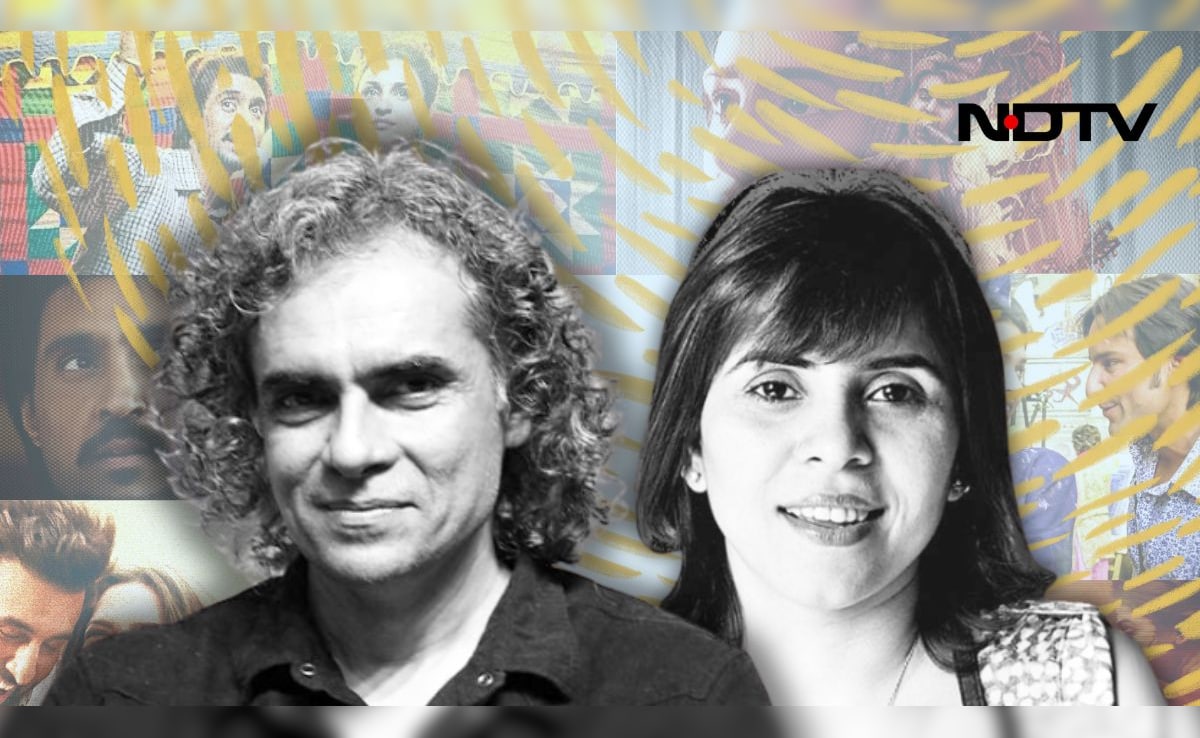
Tue Mar 04 11:19:03 UTC 2025: ## Imtiaz Ali and Aarti Bajaj: A 20-Year Symphony of Cinematic Chaos
**Mumbai, March 25, 2025** – Imtiaz Ali, celebrating 20 years in the Indian film industry, continues to redefine cinematic storytelling through his collaborations with editor Aarti Bajaj. Their unique approach, characterized by non-linear narratives, fragmented timelines, and a disregard for conventional coherence, has created a distinct and captivating cinematic style. This article explores their creative partnership, focusing on the innovative opening sequences of several of their films.
The opening of Ali’s latest film, *Amar Singh Chamkila*, serves as a prime example of their shared vision. The film abruptly begins with the titular singers’ murder, immediately transitioning to a surreal black-and-white sequence before jarringly returning to the aftermath. This jarring, fragmented opening sets the stage for a film that blends archival footage, animation, and multiple perspectives to paint a portrait of the legendary Punjabi singers. The opening’s chaotic energy reflects the chaotic life and legacy of Chamkila himself.
This technique isn’t new for the duo. Their previous collaborations, including *Love Aaj Kal*, *Rockstar*, and *Tamasha*, showcase a similar disregard for linear storytelling. *Love Aaj Kal* utilized jump cuts and dissolves to portray a relationship unfolding across time and space. *Rockstar*’s opening montage introduces the protagonist through fragmented glimpses of his life, revealing his evolution as a musician without adhering to a chronological order. *Tamasha* similarly interweaves past and present, blurring the lines between reality and imagination.
Bajaj’s editing style, drawing inspiration from Soviet montage techniques, emphasizes the collision of images to create meaning. Juxtaposing contrasting shots – violence alongside celebration in *Amar Singh Chamkila*’s “Ishq Mithaye,” for instance – generates a deeper, more resonant narrative than a straightforward approach would allow.
The recurring motifs and images across their films are not merely stylistic choices; they reflect the director and editor’s shared preoccupation with emotional truths over factual precision. Their films prioritize the *feeling* of life’s complexities over the illusion of neat resolution. The endings, too, echo this approach, allowing characters agency over their own narrative conclusions instead of neatly tying up loose ends.
Ali and Bajaj’s partnership transcends mere collaboration. It’s a symbiotic relationship where the editor’s craft complements and enhances the director’s vision, creating a cinematic experience that is as complex, restless, and ultimately rewarding as life itself. Their films are not merely watched; they are experienced, felt, and ultimately, contemplated long after the credits roll.
 First Piper