
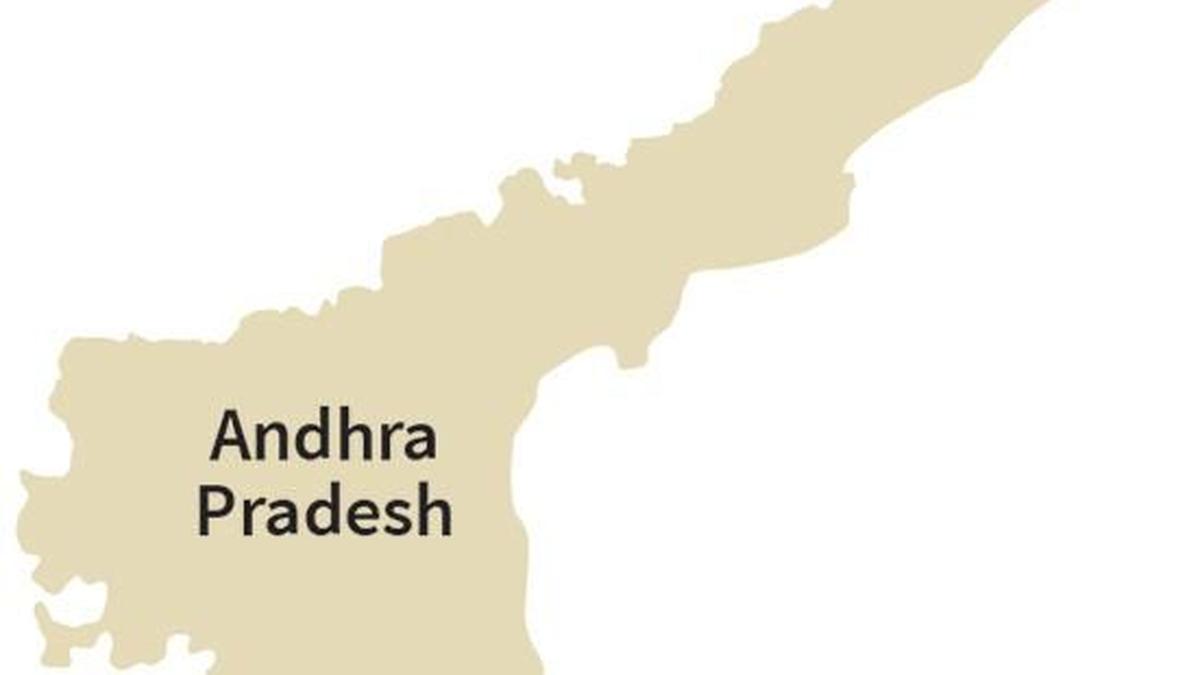
Wed Feb 26 20:45:31 UTC 2025: ## Andhra Pradesh’s Ethanol Push Faces Environmental Backlash
**Vijayawada, Andhra Pradesh –** India’s ambitious Ethanol Blended Petrol (EBP) program, aimed at reducing carbon emissions and boosting farmer incomes, is facing growing opposition in Andhra Pradesh due to environmental concerns. While the central government lauded the program’s success and accelerated its 20% ethanol blending target to 2025, protests are erupting in villages near ethanol factories.
Residents of Gummaladoddi, Gandepalli, and Arugolanu cite depleting water resources and air and water pollution as major consequences. Local officials are accused of inaction against polluting factories, despite evidence of effluent discharge into vital water sources used for agriculture and drinking.
The problem, according to experts, stems from lax environmental clearances. These clearances often fail to list hazardous emissions like acetaldehyde, formaldehyde, and acrolein – cancer-causing chemicals released during ethanol production. Despite ethanol plants being categorized as “red category” polluters (high pollution score), the government’s streamlined approval process has led to their proliferation near human settlements, bypassing public hearings.
Scientists for People, a Hyderabad-based collective, highlights the significant water consumption of grain-based ethanol factories – 8-12 litres of water per litre of ethanol. This poses a serious threat in water-stressed regions like Andhra Pradesh, where factories rely on groundwater, violating existing regulations.
While the Niti Aayog reported significant reductions in carbon monoxide emissions with 20% ethanol blending, environmentalists argue these gains are offset by the harmful emissions from the production process itself. The high production and labor costs are also cited by industrialists as barriers to implementing adequate pollution control measures.
The conflict underscores the need for a balanced approach, acknowledging both the environmental concerns and the economic benefits of the EBP program. Experts urge the government to address these concerns proactively to ensure a sustainable and equitable transition to a greener future, protecting agricultural interests, public health, and the environment.
 First Piper