
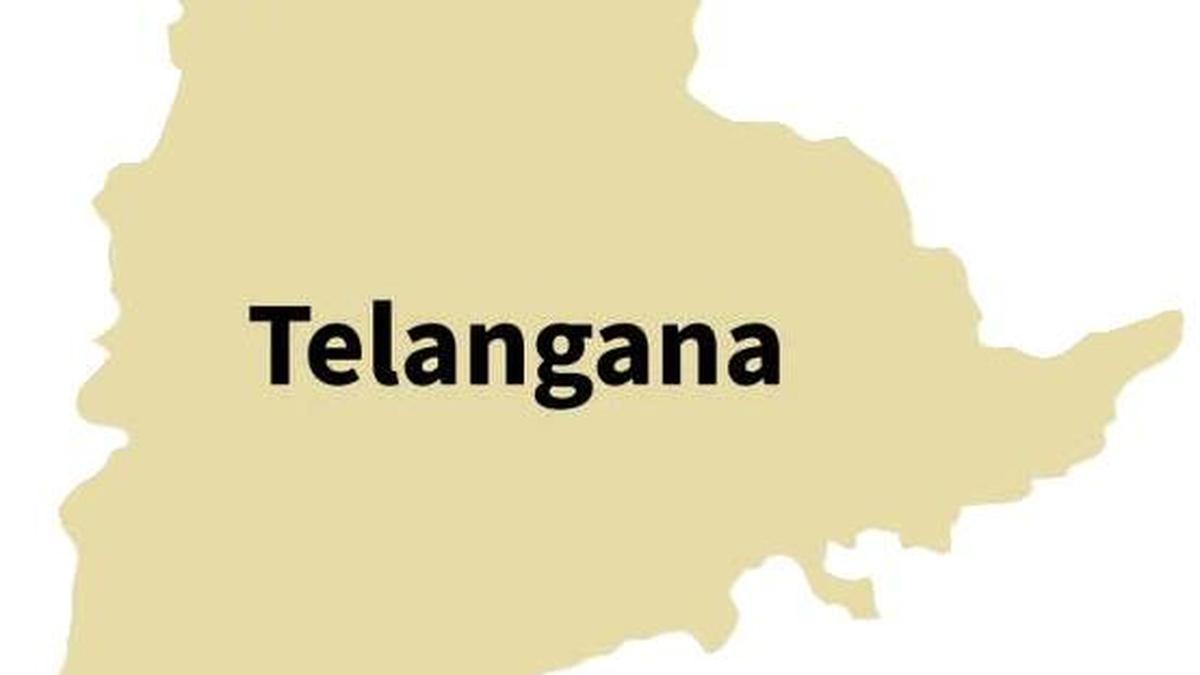
Tue Feb 25 20:55:23 UTC 2025: ## Telangana Congress Government Unveils Controversial Backward Classes Survey, Promises 42% Reservation
**Hyderabad, February 26, 2025** – The Telangana Congress government has released a controversial survey detailing the socio-economic status of the state’s population, sparking heated debate among political parties. The survey, conducted over two months and involving over 1 lakh personnel, claims that backward classes constitute 56.33% of the state’s 3.7 crore population, with Scheduled Castes (SCs) at 17.43% and Scheduled Tribes (STs) at 10.45%.
The findings have been met with skepticism from the opposition Bharatiya Janata Party (BJP) and Bharat Rashtra Samithi (BRS), who questioned the methodology and the constitutional validity of categorizing backward classes along religious lines. The BJP highlighted the survey’s religious breakdown (46.25% Hindu backward classes and 10.08% Muslim backward classes), while the BRS criticized discrepancies compared to a 2014 survey conducted by their previous government. The Congress dismissed the earlier survey, asserting its lack of official approval.
Despite the controversy, Chief Minister A. Revanth Reddy has pledged to provide 42% reservation to backward classes in upcoming local body elections, challenging opposition parties to match this commitment. A dedicated commission has proposed a methodology for implementing higher reservations without violating the Supreme Court’s 50% limit, suggesting allocating specific gram panchayats and wards based on the population of backward classes.
The survey is widely seen as a strategic move by the Congress to garner support from backward classes, a significant voting bloc whose allegiance has shifted since the formation of Telangana. The BJP and the BRS are also actively courting this community, highlighting the crucial role it plays in the upcoming elections. While the Congress aims to create evidence-based policies, the BJP is promoting leaders from backward class backgrounds. The BRS, despite possessing data from a previous survey, has yet to announce specific initiatives. The implementation of the proposed 42% reservation remains a key point of contention and legal scrutiny.
 First Piper