
Mon Feb 24 06:38:12 UTC 2025: ## Trump’s Ukraine Gambit Shakes NATO as He Seeks Russia Rapprochement
**Washington/Moscow/Kiev –** Three years after the Russian invasion of Ukraine, a dramatic shift in US foreign policy under President Donald Trump has sent shockwaves through NATO and sparked outrage in Kiev. Trump’s administration has initiated a rapid rapprochement with Russia, prioritizing negotiations over continued support for Ukraine.
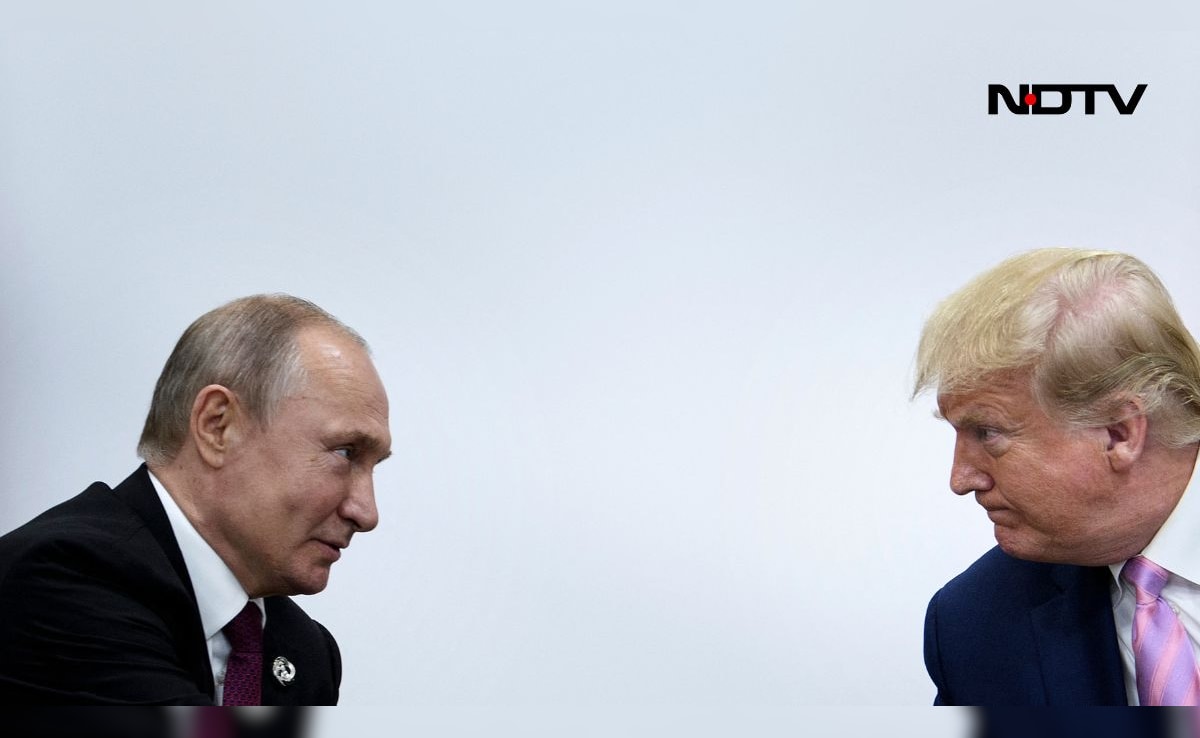
This initiative began with a phone call between Trump and Vladimir Putin, followed by high-level talks between US and Russian foreign ministers in Riyadh. These discussions focused on de-escalation in Ukraine, increased diplomatic ties, and even a potential Trump-Putin summit. The proposed goals include restoring embassy staffing, establishing a team to support Ukraine peace talks, and exploring closer economic cooperation, including Russia’s possible return to the G7.
However, this move has been met with fierce criticism. Ukrainian President Volodymyr Zelenskyy vehemently rejected any solution reached without Ukraine’s participation, highlighting the Trump administration’s attempt to secure preferential access to Ukrainian natural resources in exchange for US aid. Trump’s labeling of Zelenskyy as a “modestly successful comedian” and a “dictator,” coupled with Vice President J.D. Vance’s assertion that Ukraine’s demands are “unrealistic,” further fueled tensions.
The unilateral nature of Trump’s approach has deeply unsettled NATO allies. Many European nations, who have provided substantial military and financial aid to Ukraine, feel betrayed by the perceived abandonment of their key partner. Trump’s simultaneous pressure on European nations to increase defense spending and his dismissal of sending US troops to Ukraine have heightened fears of a “Finlandization” of Eastern European NATO members.
Russia, meanwhile, has shown no willingness to compromise, intensifying its military campaign and rejecting any NATO peacekeeping role. The Kremlin is likely exploiting the widening rift within NATO, aiming to solidify territorial gains in Ukraine.
Experts suggest Trump’s aggressive approach is a “madman negotiating strategy,” but his past transactional dealings with China and North Korea raise concerns about the potential for naiveté in his geopolitical maneuvering.
The conflict has already inflicted staggering losses on both Ukraine and Russia, causing widespread economic devastation and global repercussions. A potential resolution might involve a ceasefire with Russia retaining control over occupied territories, Ukraine receiving security guarantees, and a path towards EU membership. However, the long-term consequences for Europe and global security remain uncertain, with the potential for increased militarization and further geopolitical realignment.
The author, a retired Indian ambassador, suggests that an end to the conflict would benefit India by reducing tensions with both Russia and the US and facilitating stronger economic ties with Russia. The crisis, however, underscores the need for India to prioritize self-reliance in critical areas like supply chains and finance.
 First Piper