
Mon Feb 24 12:26:44 UTC 2025: ## Mice Show Remarkable Empathy, Performing “First Aid” on Unconscious Companions
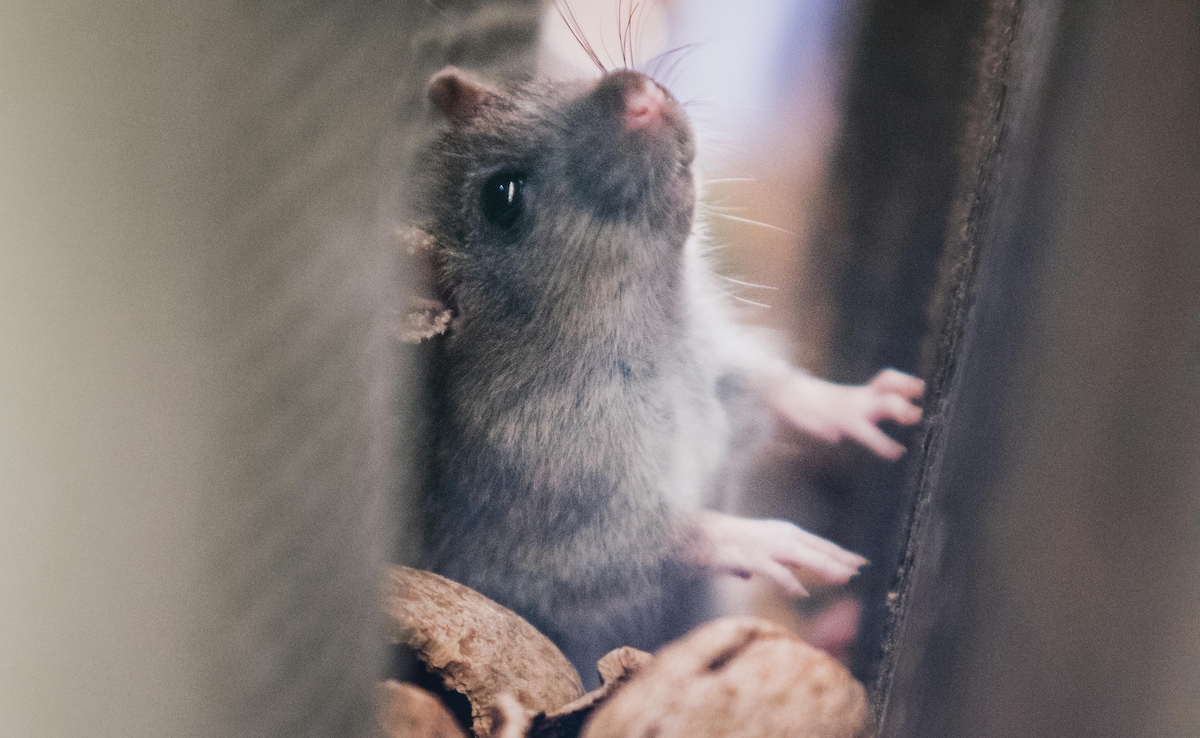
**Los Angeles, CA** – In a groundbreaking study published in *Science*, researchers at the University of Southern California (USC) have revealed that mice exhibit complex, empathetic behavior, actively attempting to revive unconscious companions. This marks the first documented instance of such sophisticated “first aid” in small mammals.
The study observed that when a mouse was incapacitated with a drug, its cage mate would engage in a series of increasingly aggressive rescue attempts. Initially, the bystander mouse exhibited grooming and sniffing behaviors. As the unresponsive mouse’s condition worsened, the behavior escalated. Remarkably, the mice were observed pulling the tongue of the unconscious animal, a behavior that effectively cleared airways and dislodged obstructions.
“This was the most surprising part of the study,” commented co-author Huizhong Whit Tao, a neuroscientist at USC. “Obviously the effects are beneficial.” The researchers also found that the mice were more likely to assist familiar companions than strangers, suggesting a degree of social recognition plays a role.
The rescue behaviors, triggered by prolonged immobility and unresponsiveness, ceased once the companion regained activity. Scientists traced these actions to the paraventricular nucleus of the brain, an area associated with oxytocin production and empathy-related behavior.
While similar rescue behaviors have been seen in larger mammals such as dolphins and elephants, this study provides crucial evidence of sophisticated prosocial behavior in mice, significantly expanding our understanding of animal empathy and altruism. The findings open new avenues of research into the neurological basis of empathy and potentially, the evolution of rescue behaviors across species.
 First Piper