
Sat Feb 15 05:07:58 UTC 2025: ## Bangladesh Rewrites History Textbooks After Regime Change
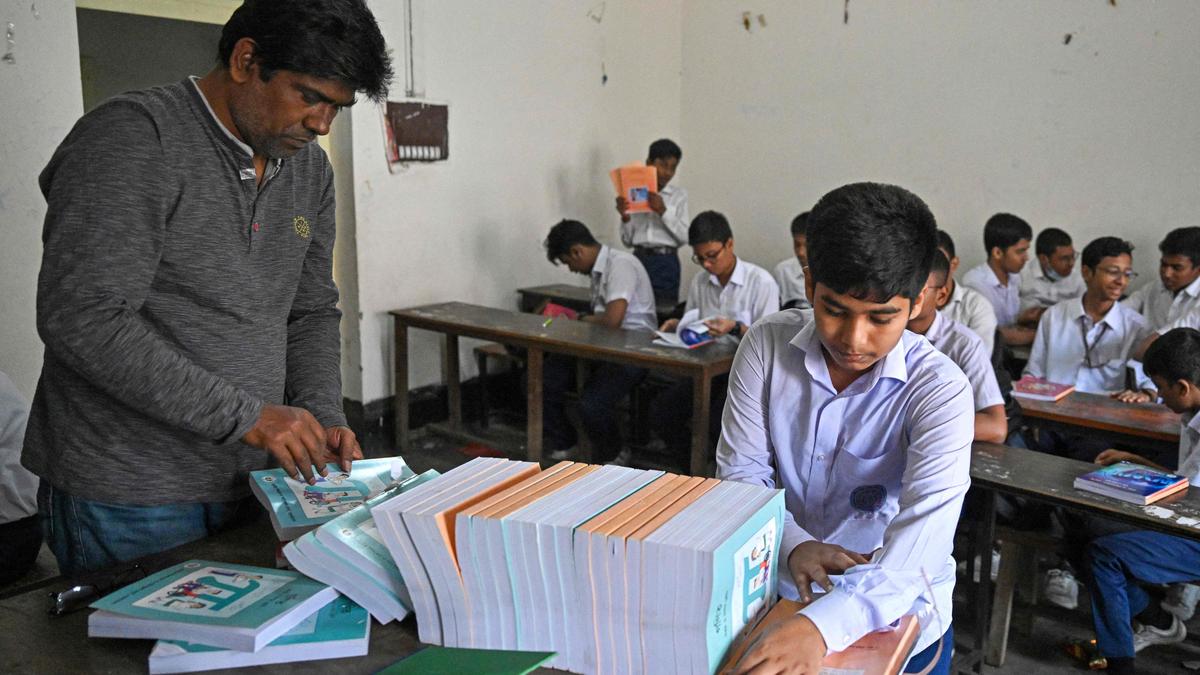
**DHAKA, BANGLADESH —** Following the student-led overthrow of Prime Minister Sheikh Hasina last year, Bangladesh has once again revised its school history textbooks, sparking controversy. The changes reflect a shift in the nation’s historical narrative, mirroring a pattern seen after previous regime changes.
The new curriculum, overseen by AKM Riazul Hassan, head of the national curriculum reform agency, significantly downplays the role of former President Sheikh Mujibur Rahman, father of the ousted Prime Minister, removing numerous poems, speeches, and images related to him. This follows a period where textbooks heavily emphasized Mujib’s contributions to the 1971 liberation war.
Conversely, the revised books now highlight individuals previously marginalized, including those killed in protests against Hasina’s rule and former army chief Ziaur Rahman, who had been omitted due to his affiliation with the opposition Bangladesh Nationalist Party (BNP). The inclusion of Zia reflects a recognition of his role in declaring Bangladesh’s independence during the 1971 war.
Critics, however, point to omissions in the new curriculum. While acknowledging militia involvement in past murders, the textbooks fail to mention the Jamaat’s role in running those militias. Furthermore, references to transgender Bangladeshis have been removed, a move aligning with the demands of Islamist groups.
Hassan defends the changes, stating the aim is to prevent trapping youth in a “cycle of hatred.” However, the repeated rewriting of history in response to political shifts raises concerns about the objectivity and stability of Bangladesh’s educational system. The ongoing debate underscores the deep-seated political divisions that continue to shape the nation’s identity and its approach to historical representation.
 First Piper