
Mon Feb 10 06:54:51 UTC 2025: ## Versatile Pigeon Pea Takes Center Stage in Winter Cuisine
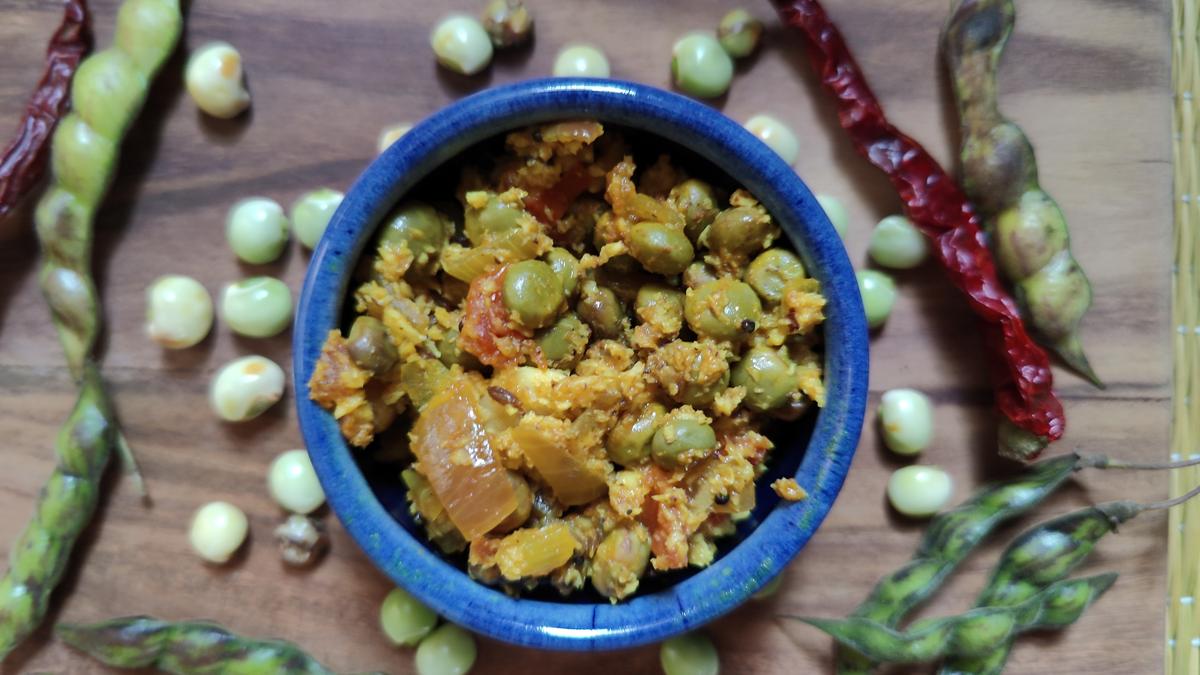
**Bengaluru, India (February 10, 2025)** – The arrival of winter brings a bounty of seasonal produce to Indian markets, and this year, the spotlight shines on the humble pigeon pea. This nutrient-rich legume, known as *togarikalu* in Kannada, is celebrated for its versatility and delicious flavor profile.
Food writers and chefs are highlighting the pigeon pea’s nutritional benefits, including its high protein content, low fat, and abundance of vitamins and minerals like Vitamin C, potassium, folate, iron, and magnesium. Its complex carbohydrates contribute to steady energy release, making it beneficial for managing blood sugar and metabolic health.
The pigeon pea’s adaptable nature allows it to be incorporated into a wide range of dishes across various Indian cuisines. From simple boiled snacks to elaborate curries and traditional preparations like *sundal* (a South Indian snack) and *undhiyu* (a Gujarati dish), the culinary possibilities are endless. Chefs suggest its use in salads, stews, soups, *khichdi*, *paratha*, and even as a flavorful addition to avocado toast. Regional variations highlight its adaptability, with dishes like *hasi togari kalu usli* from North Karnataka and *oly a turichya amti* from Maharashtra showcasing its unique flavor combinations.
Home cooks also share their favorite recipes, including *togri kalu rasam*, a comforting soup perfect for the winter season. The versatility of the pigeon pea, coupled with its nutritional value, positions it as a key ingredient in many winter meals across India.
 First Piper