
Mon Feb 03 00:00:00 UTC 2025: ## Bengaluru Scientists Crack the Code to Prevent Cracks in Paint and More
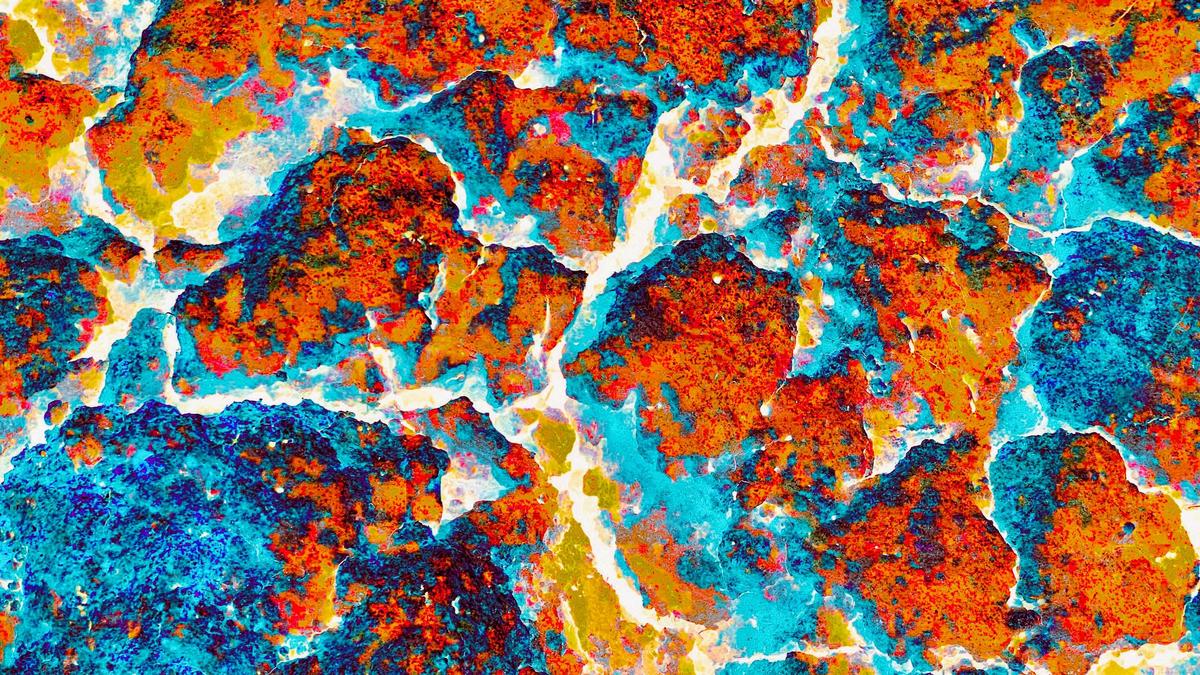
**Bengaluru, India** – Researchers at the Raman Research Institute (RRI) in Bengaluru have made a significant breakthrough in understanding and preventing crack formation in drying materials. Their study, published in *Physics of Fluids* in November 2024, reveals a relationship between the elasticity of a material and the speed at which cracks appear. This discovery has far-reaching implications across various fields.
The team, led by Professor Ranjini Bandyopadhyay and PhD student Vaibhav Parmar, focused on clay, studying how its elasticity changes as it dries. They found that by adjusting the clay’s elasticity through the addition of specific additives, such as the food additive tetrasodium pyrophosphate (TSPP), they could significantly delay the onset of cracking.
This finding has immediate applications in paint manufacturing. Adding clay with controlled elasticity during paint production could lead to significantly more crack-resistant coatings. However, the implications extend beyond paint.
Professor Kirti Chandra Sahu of IIT Hyderabad, not involved in the study, highlighted the potential applications in analyzing other colloids – mixtures of small insoluble particles in a liquid. He suggested the research could be used to assess milk quality by analyzing drying patterns, potentially detecting adulteration. Furthermore, the unique crack patterns in dried blood could offer new diagnostic tools, potentially differentiating between the blood of healthy individuals and those with conditions like anemia, even distinguishing blood samples before and after intense exercise with 95% accuracy, according to Professor Bandyopadhyay. The study could also benefit art conservation by improving the understanding of craquelure – the network of fine cracks in aged paintings.
The RRI researchers plan to expand their work, exploring how temperature and humidity affect crack formation and testing their findings on other materials like cornstarch, toothpaste, and ketchup. This research represents a significant advancement in understanding the behavior of soft materials and promises innovative applications in diverse fields.
 First Piper