
Thu Jan 30 18:46:00 UTC 2025: ## India’s Symbolic Gesture Underscores Complex India-Sri Lanka Relationship Amidst Provincial Council Debate
**Colombo, Sri Lanka –** India’s recent renaming of a cultural center in Jaffna to the “Jaffna Thiruvalluvar Cultural Centre” is seen as a symbolic move to strengthen ties with Sri Lanka, following initial controversy over the omission of “Jaffna” from the name. The gesture highlights the long and complex relationship between the two South Asian nations, particularly regarding the Tamil question in Sri Lanka.
The relationship has been significantly shaped by the 1983 anti-Tamil pogrom, leading to India’s involvement in mediating the ethnic conflict and culminating in the 1987 Indo-Lanka Accord and the 13th Amendment to Sri Lanka’s Constitution. This amendment established Provincial Councils, granting limited autonomy, but its implementation has been inconsistent, particularly in Tamil-speaking areas.
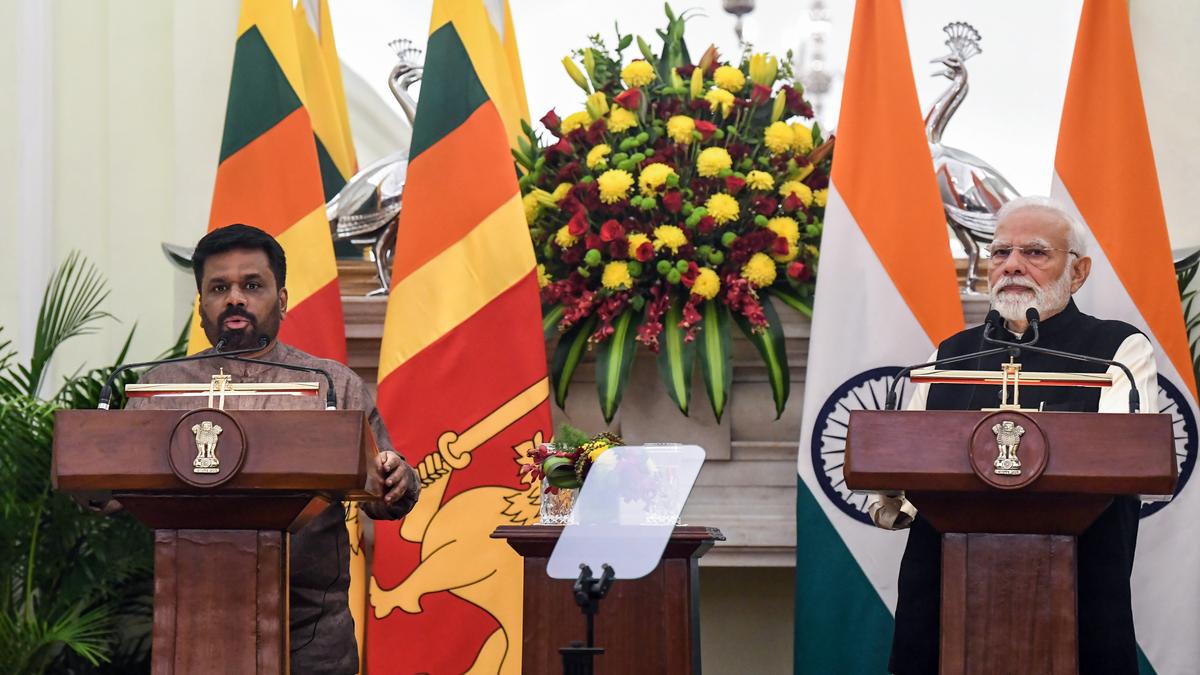
While successive Indian leaders have urged Sri Lanka to fully implement the 13th Amendment, Prime Minister Narendra Modi’s recent silence on the issue during Sri Lankan President Anura Kumara Dissanayake’s visit has raised questions about India’s stance. Although Modi called for the full implementation of Sri Lanka’s Constitution, including Provincial Council elections, the absence of specific mention of the 13th Amendment is noteworthy, especially given the JVP’s historical opposition to it.
The JVP, the party of President Dissanayake, has expressed varying positions on the amendment’s implementation, creating uncertainty about the future of Provincial Councils. While local body elections are likely soon, concerns remain that these are insufficient substitutes for the Provincial Councils in addressing complex issues of urbanization, revenue generation, and fiscal dependence. The Steering Committee of the Constitutional Assembly highlighted the importance of provinces as the primary unit of devolution in 2017.
Analysts suggest the Sri Lankan government, holding a two-thirds parliamentary majority, should address the Tamil question with a durable solution that reflects the country’s democratic spirit and its people’s needs, rather than viewing the Provincial Councils solely as an “Indian creation.” The article concludes that finding a balance that respects both Sri Lanka’s sovereignty and the needs of its Tamil population remains a crucial challenge.
 First Piper