
Tue Jan 28 17:24:15 UTC 2025: ## Madras’s Legacy: How Constituent Assembly Members Shaped Modern South India
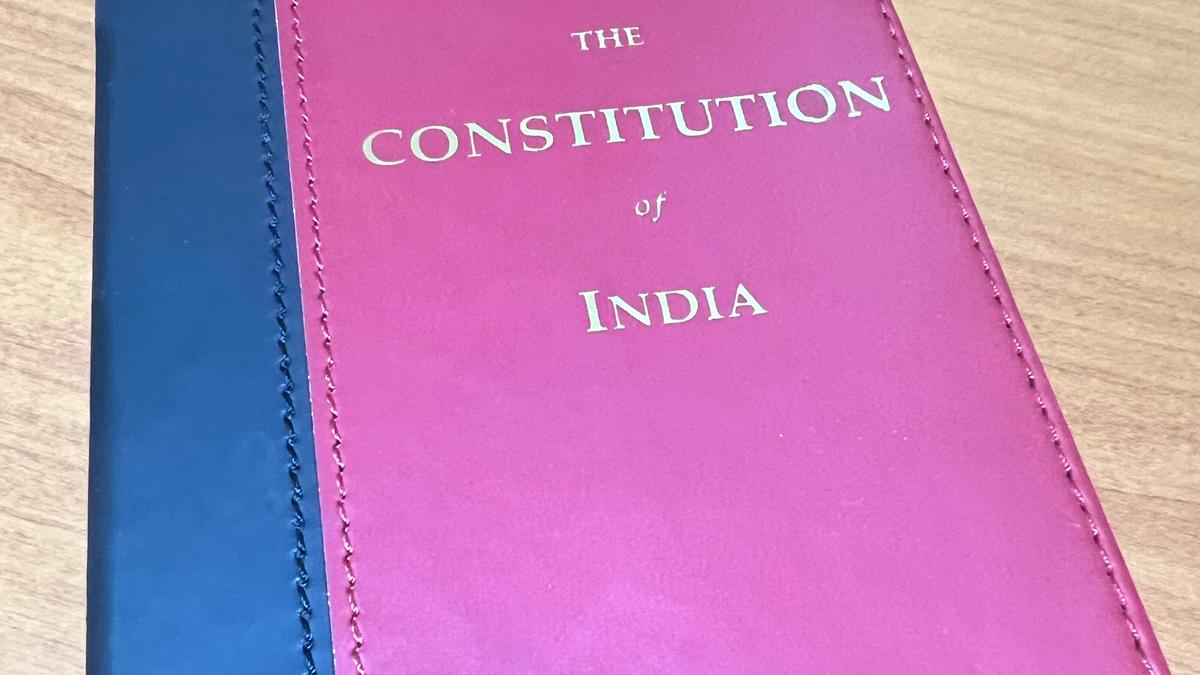
**Chennai, India –** A recent event hosted by the Rotary Club of Madras commemorating Republic Day sparked reflection on the significant role Madras Province played in shaping modern India, particularly the states of Andhra Pradesh and Tamil Nadu. Noted advocate Arvind P. Datar, in conversation with Vikram P. Raman, highlighted the contributions of the 38 Madras representatives in the Constituent Assembly.
While not all 38 hailed from the city of Madras (present-day Chennai), 16 lived there and left a lasting impact. Their influence is particularly evident in the linguistic and political landscapes of the region. The article highlights the fervent debate surrounding language, with figures like N.G. Ranga advocating for a separate Telugu-speaking province. This eventually led to the formation of Andhra Pradesh in 1953, a process significantly influenced by the death of Potti Sriramulu and the actions of then-Chief Minister C. Rajagopalachari. Many Telugu-speaking members from the Constituent Assembly migrated to the new state and rose to prominence, with Neelam Sanjeeva Reddy even becoming President of India.
The debate over Hindi as the official language also dominated discussions. Rajagopalachari’s earlier stance on Hindi sparked controversy, pitting him against figures like K. Kamaraj. The issue persisted, ultimately resulting in a compromise drafted by N. Gopalaswami Ayyangar and K.M. Munshi, allowing for both Hindi and English to be used officially for 15 years. Further linguistic conflicts later led to the renaming of Madras State to Tamil Nadu in 1968 and the city to Chennai in 1996, a name possibly of Telugu origin, ironically adding another layer to the complex history of the region. The article concludes by pointing readers to http://www.constitutionofindia.net for further details on the Constituent Assembly members.
 First Piper