
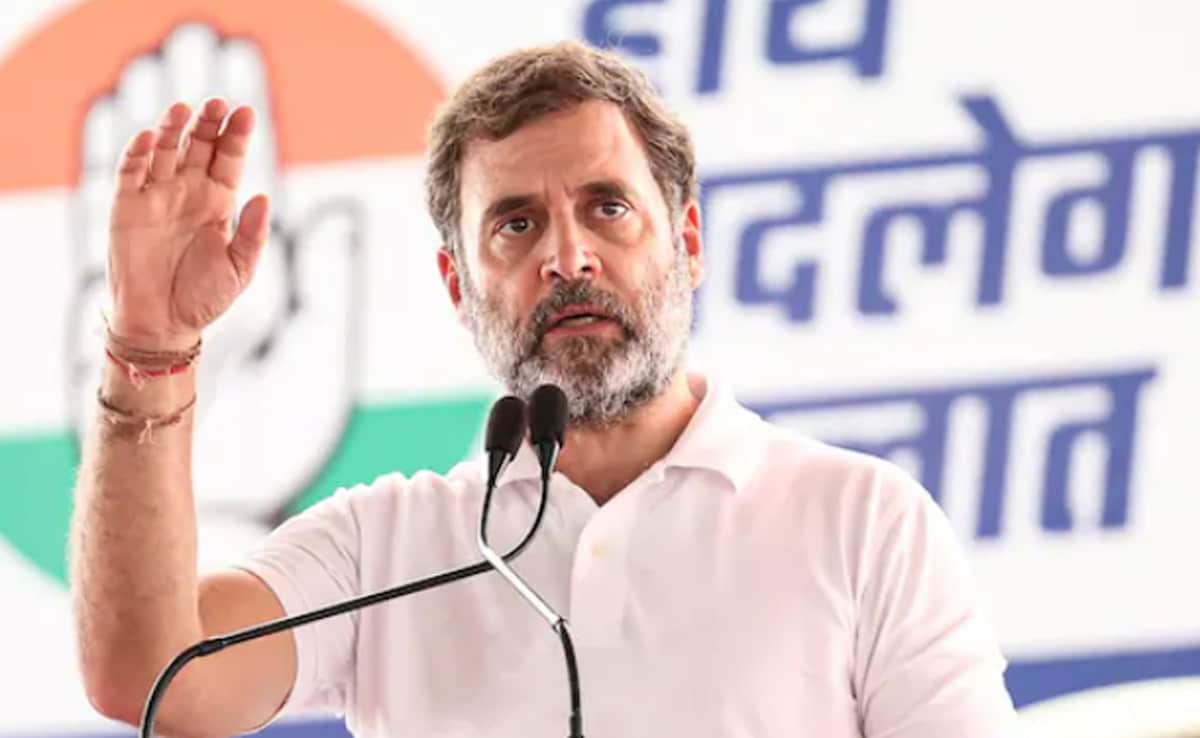
Tue Jan 28 07:33:53 UTC 2025: ## Rahul Gandhi and the Media: A Love Affair Gone Sour?
**New Delhi** – A retrospective analysis reveals a complex relationship between former Congress leader Rahul Gandhi and the Indian media, one marked by initial infatuation, subsequent disillusionment, and ultimately, mutual acrimony.
The narrative begins in 2011, when Gandhi’s surprise visit to Bhatta-Parsaul to protest land acquisition garnered significant media attention. Reporters, captivated by his image as a virtuous, “angry young man,” extensively covered his campaign, often portraying him as a conscience keeper of the UPA government. This coverage intensified ahead of the 2009 and 2014 elections, with Gandhi frequently featured in prominent publications and broadcasts.
However, the reality on the ground often contradicted the media’s rosy portrayal. The Congress’s performance in the 2012 Uttar Pradesh assembly elections, where they suffered a resounding defeat despite Gandhi’s high-profile campaign, marked a turning point. This exposed a disconnect between the media’s narrative and the electorate’s response.
Following the setback, Gandhi’s relationship with the media deteriorated. He increasingly blamed the media, particularly what he derisively terms “Ambani-Adani media,” for his political misfortunes, accusing journalists of being influenced by corporate interests. He frequently resorted to personal attacks, labeling journalists as BJP plants and using derogatory language.
This analysis argues that Gandhi’s criticisms fail to account for the changing media landscape. The rise of digital media and social media has empowered citizens to engage more critically with political narratives. Furthermore, improved working conditions and pay structures for journalists belie his claims of media subservience.
The author concludes that while the mainstream media may still exhibit some bias toward Congress, Gandhi’s strategy of attacking individual journalists is counterproductive. He must accept responsibility for his party’s failures and engage constructively with the media rather than resorting to personal attacks and blaming external factors. The author suggests that Gandhi needs to fight his own battles rather than expecting the media to do it for him.
 First Piper