
Thu Jan 23 14:46:25 UTC 2025: ## Tamil Nadu Archaeological Find Pushes Back Iron Age Origins
**Chennai, January 23, 2025** – A groundbreaking archaeological discovery in Tamil Nadu has significantly pushed back the timeline of the Iron Age in the region. New radiometric dating of artifacts unearthed at the Sivagalai site in Thoothukudi district reveals the use of iron as far back as the first quarter of the 4th millennium BCE (2953 BCE to 3345 BCE).
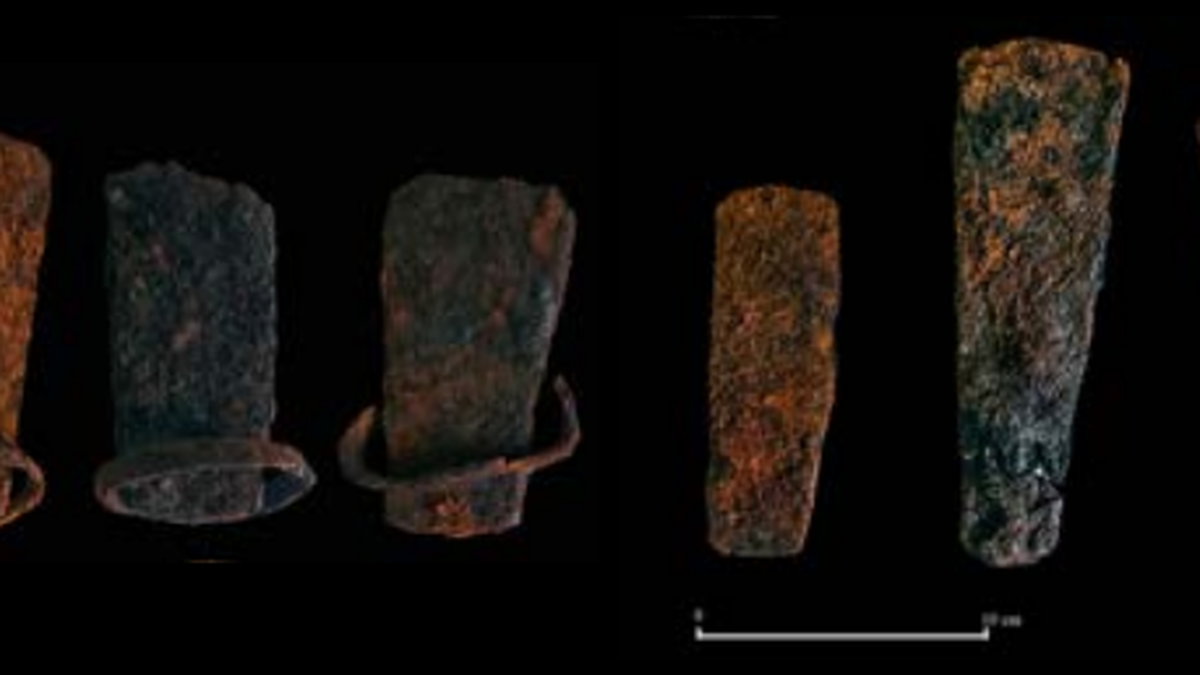
The findings, detailed in a report titled “Antiquity of Iron: Recent radiometric dates from Tamil Nadu,” by K. Rajan and R. Sivanantham of the Tamil Nadu State Department of Archaeology, are based on excavations conducted between 2019 and 2022. These excavations uncovered numerous urn burials containing skeletal remains, iron objects, and even paddy grains dating back to 1155 BCE.
Accelerator Mass Spectrometry (AMS) analysis of charcoal samples and Optically Stimulated Luminescence (OSL) analysis of sediment samples consistently point to an Iron Age significantly earlier than previously believed. This places the Tamil Nadu Iron Age contemporary with the Chalcolithic Age (Copper Age) of the Indus Civilization.
Professor Rajan highlighted the importance of this discovery, stating that the findings from Sivagalai and the previously studied Adichanallur site (dating to 2500 and 3000 BCE) necessitate further exploration of archaeological sites across India. V. Selvakumar of Tamil University’s Department of Maritime History and Marine Archaeology called the discovery a “turning point,” emphasizing the need for continued research to fully understand the implications for Tamil history and culture. The discovery of iron tools alongside paddy grains suggests a sophisticated level of agricultural development in the region during this early period.
 First Piper