
Tue Jan 21 11:17:44 IST 2025: ## Fertilizer Use Drastically Reduces Pollinator Populations, Landmark Study Reveals
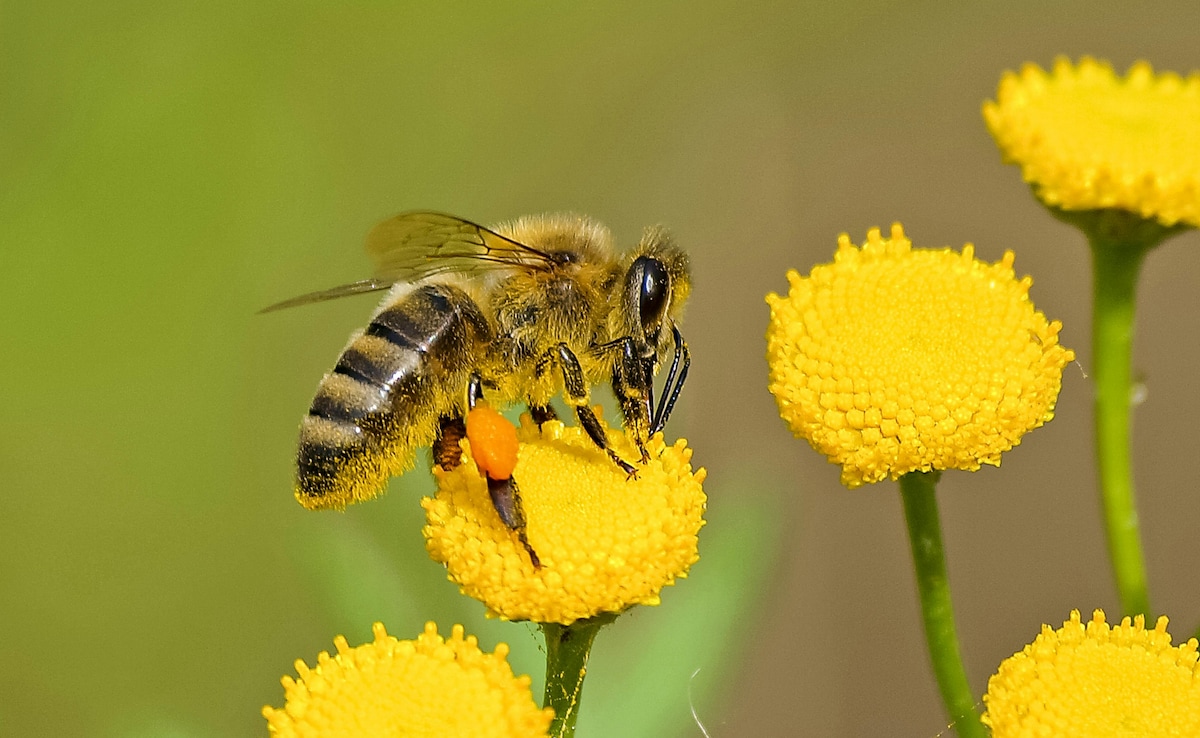
**Rothamsted, UK** – A groundbreaking two-year study conducted at the world’s longest-running ecological experiment, Park Grass, has revealed a stark connection between fertilizer use in agricultural grasslands and a dramatic decline in pollinator populations and flower diversity. The research, published in *npj Biodiversity*, demonstrates that even moderate nitrogen fertilizer application leads to a fivefold reduction in flower numbers and halves the population of pollinating insects, such as bees.
The study, led by Dr. Nicholas Balfour of Sussex University, highlights the significant impact of widespread fertilizer use on biodiversity. Almost a quarter of the Earth’s land is agricultural grassland, supporting the livelihoods of over 800 million people. While fertilizers have boosted food production, they have also contributed to environmental problems, including pollution and biodiversity loss.
Dr. Balfour emphasized the direct link between increased fertilizer use and decreasing pollinator numbers, a connection previously undocumented to this extent. He noted a cascading effect throughout the food chain. Conversely, in chemical-free plots, bee populations increased more than ninefold, demonstrating the detrimental impact of nitrogen-based fertilizers. The study suggests that the fertilizers foster the growth of fast-growing grasses, outcompeting other plants and flowers, thereby reducing biodiversity.
The researchers argue that reducing the intensity of grassland production, while potentially resulting in lower yields, offers significant ecological benefits by supporting multifunctional landscapes. The Park Grass Experiment, established in 1856, continues to provide invaluable insights into agroecological systems. The findings underscore the urgent need to reconsider fertilizer application strategies to mitigate the negative effects on pollinators and overall ecosystem health.
 First Piper