
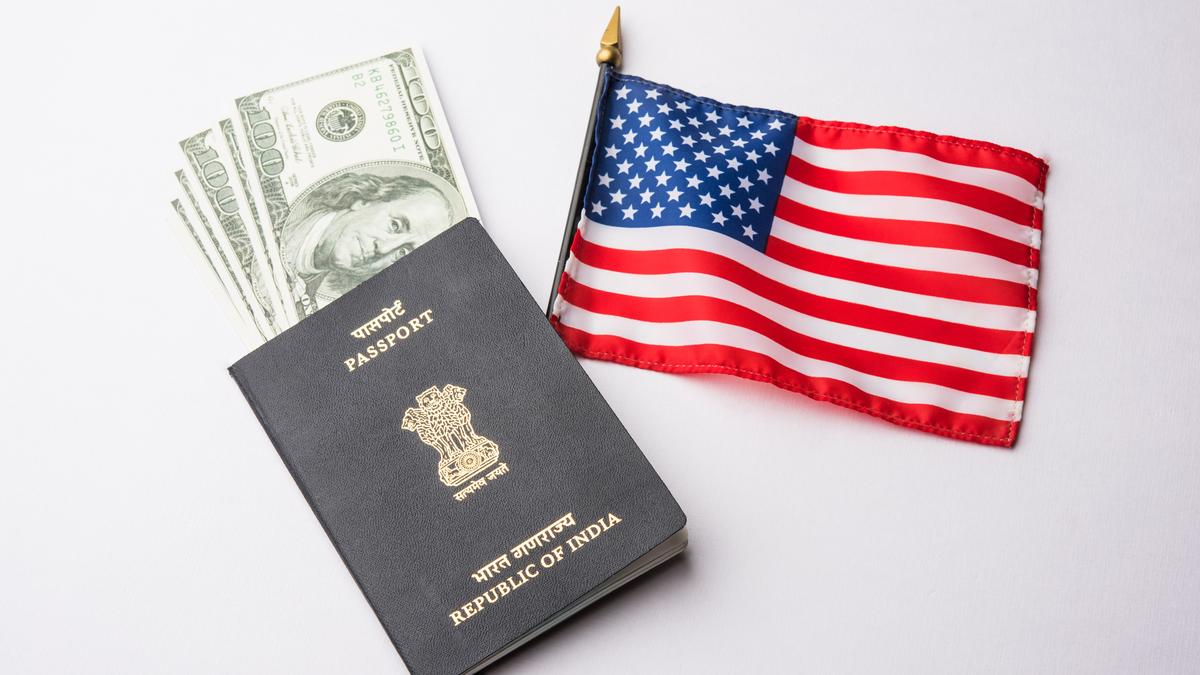
Mon Jan 20 03:00:00 UTC 2025: ## Heated Debate Erupts Over H-1B Visas as Trump Administration Takes Stance
**Washington, D.C. – January 20, 2025** – The appointment of Sriram Krishnan, an Indian immigrant, as President-elect Donald Trump’s senior AI policy advisor has ignited a fierce debate over the H-1B visa program, exposing deep divisions within the Republican party and sparking criticism from some Democrats.
The controversy began with harsh social media attacks from MAGA supporter Laura Loomer, who criticized the influx of skilled foreign workers and even doxxed Mr. Krishnan. While Loomer later apologized for doxxing, her sentiments reflect a growing concern among some, particularly within the Republican party, about the impact of the H-1B program on American workers.
However, the program enjoys strong support from prominent figures within the incoming Trump administration, including Elon Musk and Vivek Ramaswamy, both immigrants themselves. Musk famously declared he would “go to war” to defend the program, highlighting its crucial role in attracting the talent that built companies like SpaceX and Tesla. Even former PayPal executive David Sacks, set to be a peer of Mr. Krishnan in the administration, clarified that Krishnan’s advocacy is focused on simplifying the application process, not eliminating all restrictions.
The debate isn’t limited to the right. Vermont Senator Bernie Sanders, a Democrat, voiced concerns that the program replaces well-paying American jobs with lower-wage workers.
This renewed focus on the H-1B program highlights its long and complex history. Established in the 1990s to address a growing need for skilled workers in a globalizing economy, it has undergone numerous revisions. While an annual cap exists, the program significantly increased the number of skilled foreign workers in the US, particularly impacting the tech sector, with a substantial number of beneficiaries originating from India.
Economic studies have shown mixed results. Research by Giovanni Peri indicated a positive impact of H-1B workers on wages and productivity, particularly benefiting native college-educated workers. However, concerns remain about the concentration of H-1B visas among large Indian IT services companies, which some critics argue, prioritize their own profit models over genuine innovation.
The incoming Trump administration faces the challenge of navigating these conflicting viewpoints. Reform proposals could focus on prioritizing individual skillsets and educational qualifications, rather than simply favoring large corporations. The debate, far from resolved, will undoubtedly shape the future of immigration policy in the United States.
 First Piper