
Sat Jan 11 01:41:14 UTC 2025: ## Biden Condemns Meta’s Abandonment of Facebook Fact-Checking
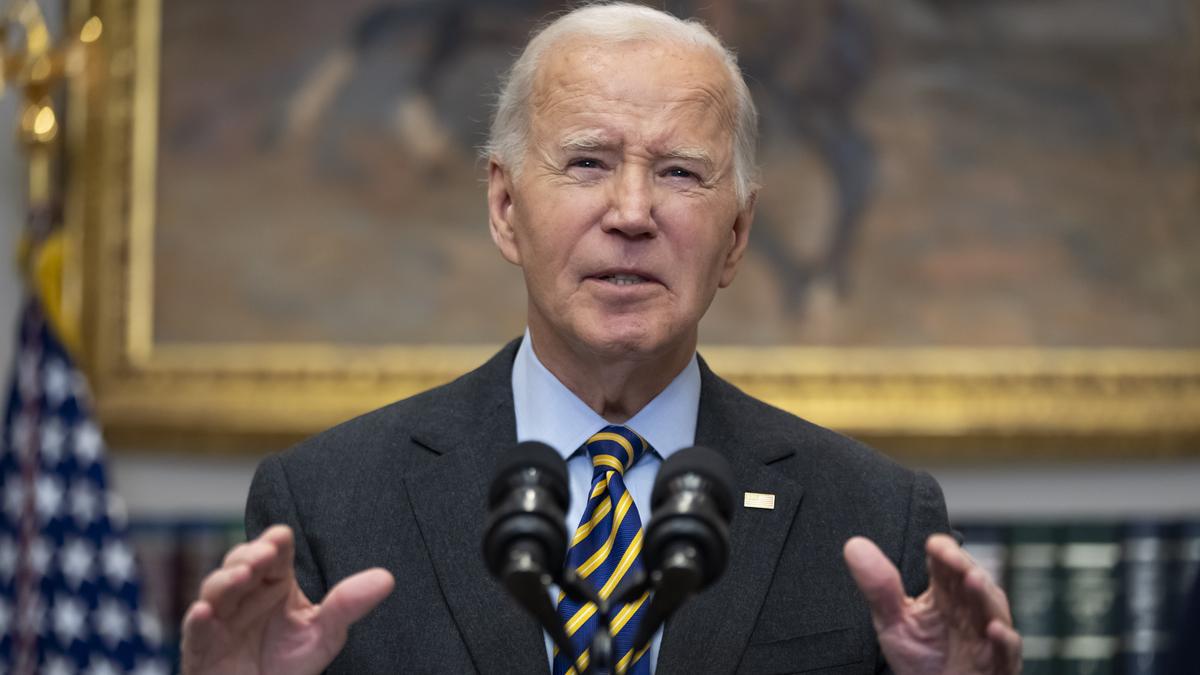
**Washington, D.C. –** President Joe Biden sharply criticized Meta on Friday for eliminating third-party fact-checking on its Facebook and Instagram platforms in the United States. He called the move “really shameful,” echoing concerns raised by the International Fact-Checking Network (IFCN) about the potential for global harm if the policy is expanded internationally.
Meta CEO Mark Zuckerberg announced the decision earlier this week, replacing fact-checkers with a user-based system called Community Notes. This move is widely seen as an attempt to appease President-elect Donald Trump, whose supporters have frequently criticized fact-checking as censorship.
The IFCN warned of potentially devastating consequences, including increased political instability, election interference, and even genocide, if Meta extends this policy to its operations in over 100 countries. Several nations, including Brazil, have already expressed concern and are demanding explanations from Meta.
Zuckerberg defended his decision in an interview, claiming the fact-checking program was eroding trust and was overly biased towards traditional media. He also expressed regret for giving too much weight to the narrative that social media misinformation influenced the 2016 election. However, the IFCN refuted Zuckerberg’s claims of bias, asserting that Meta’s fact-checking partners were rigorously vetted to ensure impartiality. The UN High Commissioner for Human Rights, Volker Turk, also emphasized the importance of regulating harmful online content, stating that it is not censorship to prevent the spread of hate speech and misinformation.
Concerns are growing that the removal of fact-checking, coupled with Meta’s relaxation of restrictions on hate speech and discussions related to gender and sexual identity, could lead to a surge in harmful content. Fact-checking organizations globally are expressing apprehension about the potential consequences of Meta’s decision. The timing of the policy change, less than two weeks before Trump’s inauguration, has further fueled speculation about its motivations.
 First Piper