
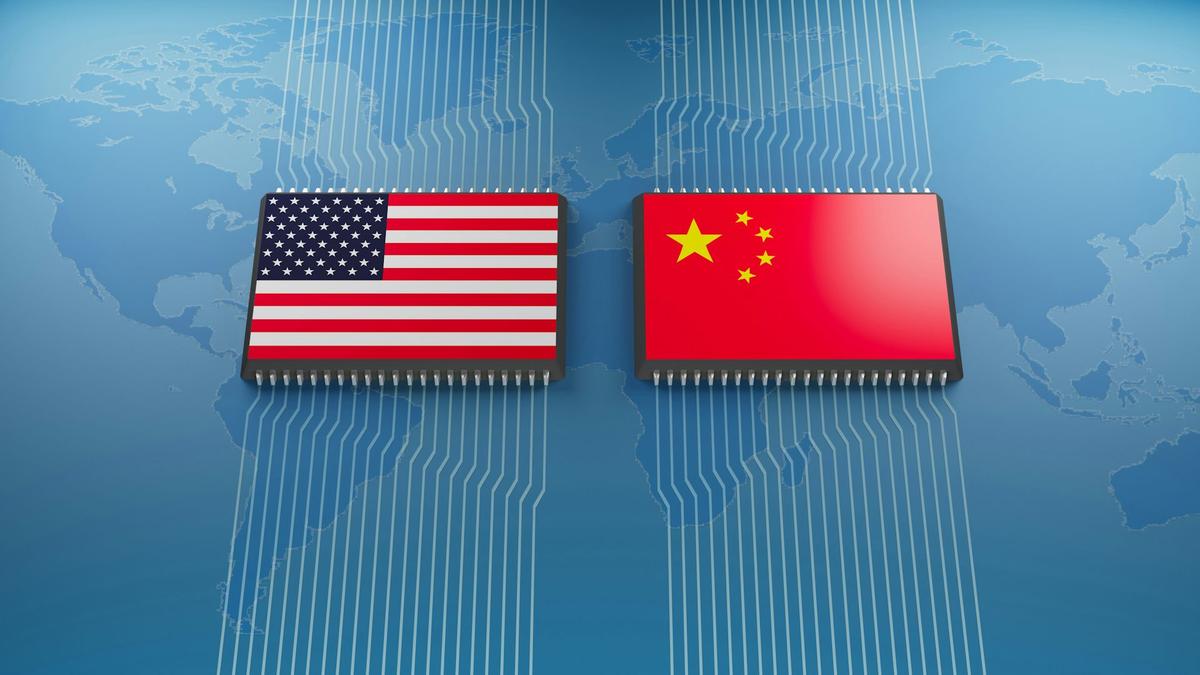
Thu Jan 09 07:32:39 UTC 2025: ## US-China Science Pact Signals End of an Era of Open Collaboration
**Washington, D.C. – January 9, 2025** – A recently signed bilateral science and technology agreement between the United States and China marks a significant shift away from decades of open collaboration, signaling growing global concerns about research security. While presented as a renewal of a 45-year-old pact, the revised agreement drastically limits the scope of joint research and introduces stricter dispute resolution mechanisms.
This narrowing of cooperation reflects a broader trend among nations, including the EU, Canada, Japan, and the U.S., to implement measures safeguarding sensitive research from foreign interference and potential military or economic exploitation. This trend is fueled by China’s dramatic rise in scientific output and patent filings, overtaking the U.S. in scientific publications by 2023.
Concerns about intellectual property theft, espionage, and the use of technology to bolster authoritarian control have prompted these stringent security measures. The U.S., in particular, has pointed to the theft of sensitive technologies by China to enhance its defense capabilities. Initiatives like the U.S. “Chips and Science Act” and the establishment of the SECURE center aim to equip researchers and institutions with the tools to make security-informed decisions. Similar efforts are underway in Europe, Asia, and other parts of the world, such as Canada’s Research Security Centre and Germany’s new compliance units.
However, experts warn that excessive security measures could stifle the international collaboration crucial for scientific advancement. A significant portion of U.S. scientific publications stems from international partnerships, and research consistently shows that global collaboration yields higher-impact results. The challenge lies in balancing national security with the open exchange of ideas and talent that has historically driven scientific progress. The new agreement and broader global trend suggest a potential end to a long era of unfettered scientific collaboration, raising concerns about the future pace of scientific discovery.
 First Piper